Birds spend 92% of their maintenance time 'zipping' their feathers
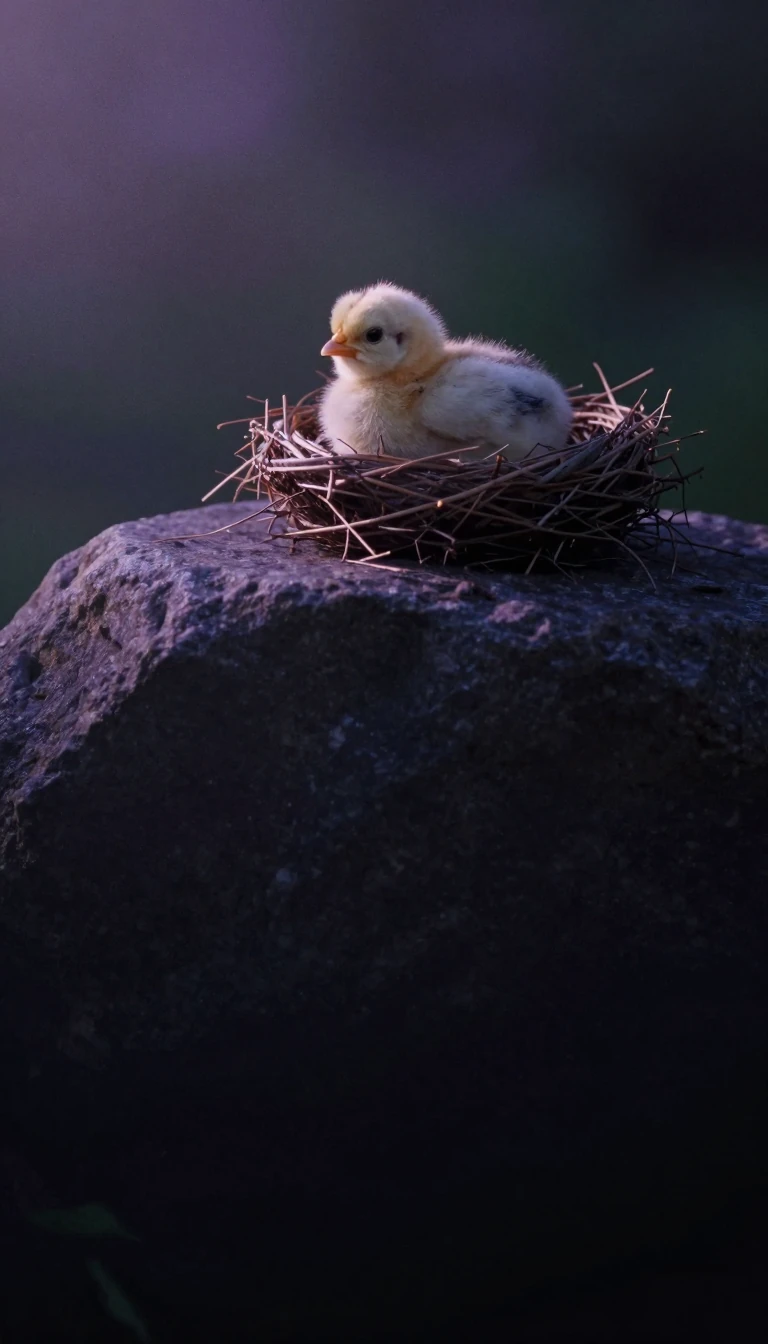
In short: To a bird, a feather is a high-performance tool for flight, insulation, and waterproofing. Because feathers are essentially dead structures, they require constant upkeep. Birds spend a massive portion of their daily maintenance time performing a complex ritual of oiling, nibbling, and
Feathers are vital for a bird's survival, providing aerodynamics, waterproofing, and insulation. Because fully grown feathers are 'dead structures,' they become brittle with age and exposure. To counter this, birds engage in preening—a maintenance behavior where they use their beaks to position feathers, interlock separated barbules, clean plumage, and manage ectoparasites.
The primary mechanism of preening involves 'nibbling' (mandibulating) feathers from base to tip. This action is more effective than 'stroking' for rejoining unzipped barbules and applying preen oil. Birds also use 'fluffing' and 'shaking' to mechanically 'rezip' these microscopic hooks. For areas they cannot reach with their beaks, such as the head, many species use 'scratch-preening,' where they transfer oil from their bill to their feet and then scrape it into their feathers. Some species even possess pectinate claws—comb-like serrations—specifically to aid this process.
The chemistry of preening is equally sophisticated. Many birds possess a uropygial gland at the base of the tail that secretes a substance of fatty acids, water, and waxes. While this oil doesn't provide direct waterproofing, it preserves the microscopic structures that do. Furthermore, preen oil can be a biological weapon: in Eurasian hoopoes, symbiotic bacteria in the oil release bacteriocins to inhibit feather-degrading fungi. In other species, the oil may repel mammalian predators or even protect developing chicks from parasites.
Preening is not just a solo chore; it is a social and evolutionary tool. 'Allopreening' occurs between mates or flock members to reinforce social bonds, recognize individuals, or reduce aggression. It can also serve as a 'displacement activity' when a bird faces conflicting drives. Interestingly, while most birds are born with the instinct to preen, they require a role model; hand-reared birds without one often fail to learn the correct techniques, leading to poorly maintained plumage.
Opens the Intellect+ feed with this card first. Swipe up for the next one.
Sources
- Summary by Intellect · source: Preening
To cite this card, link to https://intellectplus.co.uk/app/health-preening.
How we source, check and correct cards: Editorial standards.
General information, not professional advice. Spotted an error? Flag the card or see corrections and complaints.
Intellect Plus is a visual educational discovery platform for exploring fascinating facts and ideas. Brain Food, Not Brain Rot. What is Intellect Plus?
Related
More in Hygiene · More in Health · Latest · A–Z · All topics
