The invisible architecture preventing high-speed trains from colliding
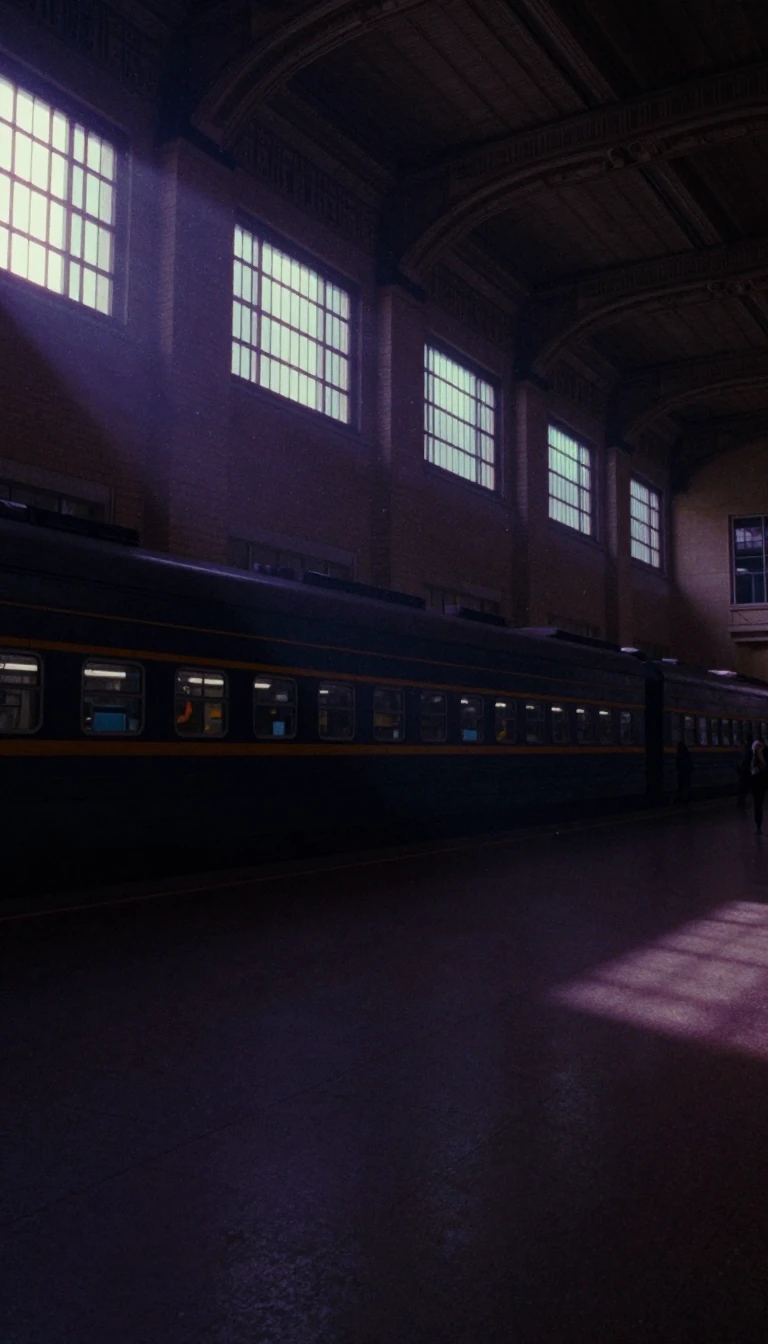
In short: Trains are uniquely dangerous because their massive weight makes them nearly impossible to stop quickly. To prevent catastrophe, railways rely on a sophisticated logic of 'blocks'—invisible zones where only one train is permitted at a time. This system has evolved from simple flags to complex digital twins.
The fundamental principle of railway safety is the division of tracks into sections called blocks. In a standard 'absolute block system,' only one train can occupy a block at once. This ensures that if a train stops unexpectedly, there is always a buffer of clear track ahead. Historically, this was managed by 'policemen' (now called signalmen) who used stopwatches and hand signals to maintain 'time interval working.' This was inherently risky, as workers had no way of knowing if the track ahead was actually clear until a train passed them.
The transition to modern safety was accelerated by technology and tragedy. The 1889 Armagh rail disaster in the UK led to mandatory requirements for interlocked block signalling. This allowed signalmen to group levers in a signal box, ensuring that a signal could only be set to 'clear' if the block ahead was confirmed empty. Today, this is often automated by track circuits, which use electrical currents in the rails to detect the presence of a train. If a train shorts the circuit, the relay de-energizes, automatically signaling the block as occupied.
Modern systems are pushing toward 'moving blocks' and 'Digital Twins.' Unlike fixed blocks, moving blocks use sensors like radar and inertial measurement units to calculate a dynamic safety zone around each train. This allows trains to run closer together, increasing capacity. Simultaneously, engineers are using Digital Twin technology—cyber-physical systems that exchange real-time data between physical assets and virtual models—to predict maintenance needs and detect faults before they cause system-wide failures.
Even these advanced systems face unique threats. Research into space weather shows that extreme geomagnetic storms, such as those in 1989 and 2003, can induce currents in electrified railway signalling. While the risk of 'wrong side' failures (where an occupied track appears clear) remains low, extreme 1-in-100 year storms could cause extended periods of signalling misoperations, highlighting the ongoing challenge of securing infrastructure against environmental extremes.
Opens the Intellect+ feed with this card first. Swipe up for the next one.
Sources
- Summary by Intellect · source: Railway signalling
- Also: Toward Smart Railway Infrastructure Predictive and Optimised Maintenance Through Digital Twin (DT) System.
- Also: Modelling electrified railway signalling misoperations during extreme space weather events in the UK.
To cite this card, link to https://intellectplus.co.uk/app/health-railway-signalling.
How we source, check and correct cards: Editorial standards.
General information, not professional advice. Spotted an error? Flag the card or see corrections and complaints.
Intellect Plus is a visual educational discovery platform for exploring fascinating facts and ideas. Brain Food, Not Brain Rot. What is Intellect Plus?
