Why your brain shuts down when you see blood or feel extreme stress
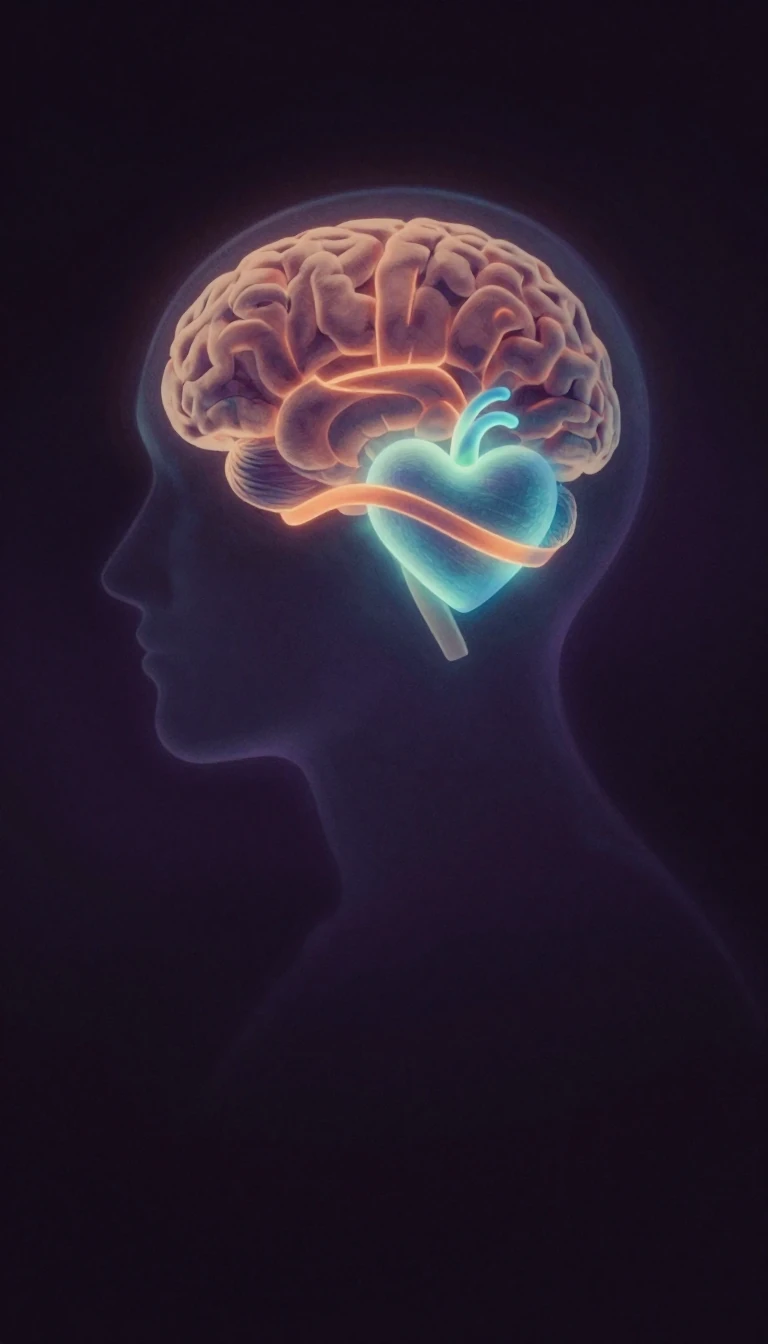
In short: Reflex syncope is the most common cause of fainting, accounting for over half of all cases. Triggered by emotional stress, pain, or even simple acts like coughing, it occurs when the nervous system misfires, causing a sudden drop in blood pressure or heart rate that temporarily starves the brain of oxygen.
Reflex syncope is a neurologically induced event where the autonomic nervous system triggers a drop in heart rate or blood pressure. This process often involves the nucleus tractus solitarii in the brainstem, which enhances parasympathetic tone while withdrawing sympathetic tone. This shift creates a spectrum of hemodynamic responses: the cardioinhibitory response, which slows the heart, and the vasodepressor response, which dilates blood vessels. Many patients experience a mixed response, leading to a loss of consciousness that is often preceded by warning signs like lightheadedness, sweating, or visual disturbances.
The experience can be surreal. Before or during an episode, some individuals report hallucinations—such as seeing bright lights or hearing rushing wind—that are sometimes compared to near-death experiences. These are likely caused by reduced oxygen flow to the brain. While the event itself is brief, the physiological state can persist for hours, leaving the person feeling nauseated or pale. Because the brain requires blood flow to function, the simple act of falling into a supine position usually restores consciousness immediately. If the person remains upright, however, they may experience brief muscle twitching that is often mistaken for a seizure.
Management focuses on identifying and avoiding specific triggers, such as the sight of blood or prolonged standing. For those who cannot avoid triggers, techniques like 'applied tension'—tightening skeletal muscles to maintain blood pressure—can be effective. In more severe cases, medical interventions range from increasing salt and fluid intake to the use of medications like midodrine or fludrocortisone. For specific cardioinhibitory cases, permanent pacemakers or emerging procedures like cardioneuroablation, which targets the cardiac autonomic nervous system, offer potential long-term relief for patients who suffer from recurrent, disruptive episodes.
Opens the Intellect+ feed with this card first. Swipe up for the next one.
Sources
- Summary by Intellect · source: Reflex syncope
- Also: Cardioneuroablation for Reflex Syncope and Functional Bradyarrhythmias: A State-of-the-Art Review.
- Also: Europace : European pacing, arrhythmias, and cardiac electrophysiology : journal of the working groups on cardiac pacing, arrhythmias, and cardiac cellular electrophysiology of the European Society of Cardiology — Sensor detection and pacing for impending reflex syncope. · CC BY
- Also: my.clevelandclinic.org — What Is Vasovagal Syncope?
To cite this card, link to https://intellectplus.co.uk/app/health-reflex-syncope.
How we source, check and correct cards: Editorial standards.
General information, not professional advice. Spotted an error? Flag the card or see corrections and complaints.
Intellect Plus is a visual educational discovery platform for exploring fascinating facts and ideas. Brain Food, Not Brain Rot. What is Intellect Plus?
Related
More in Health, medicine and disease · More in Health · Latest · A–Z · All topics
