How the Reserve Officers' Training Corps shapes the future of the American military
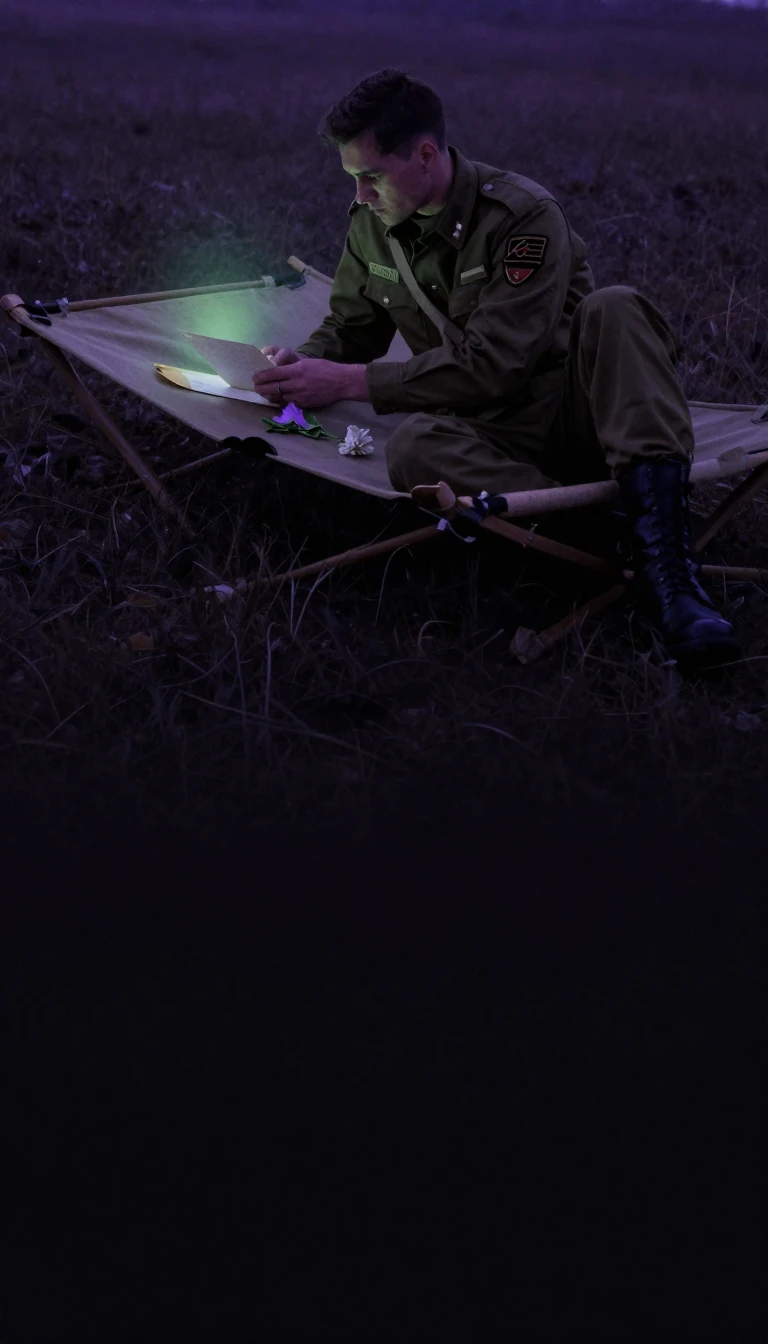
In short: The Reserve Officers' Training Corps (ROTC) is the primary engine for commissioning U.S. military officers, blending civilian university life with rigorous military preparation. From its origins in 19th-century Vermont to modern scholarship-funded training, this program transforms college students into leaders, providing over half of all new active-duty officers.
The concept of the citizen-soldier, capable of balancing civilian life with military duty, was pioneered by Alden Partridge in 1819. Formally established by the National Defense Act of 1916, ROTC was designed to create a reliable pipeline of reserve officers. By 1921, about 180 senior division programs were active. Today, these programs operate across three categories: senior military colleges, civilian colleges, and military junior colleges. While participation is voluntary at civilian universities, it remains mandatory at senior and junior military colleges, which also guarantee active-duty assignments for graduates.
Modern ROTC training is physically and academically demanding. Cadets must meet specific fitness standards, such as the Army Combat Fitness Test (ACFT), which measures components like strength and aerobic capacity. Research indicates that performance on these tests, including the 2-mile run and sprint-drag-carry, correlates with tactical foot march proficiency. Furthermore, lifestyle factors like sleep duration and chronotype play a role; studies suggest that cadets with social jetlag or evening chronotypes may face hampered performance during morning physical training and higher risks of musculoskeletal injury.
The program has evolved significantly through history. During World War II, ROTC was suspended in 1943 to prioritize the Army Specialized Training Program, with many cadets diverted to officer candidate schools. In the 1960s, campus protests against the Vietnam War led many universities to drop compulsory participation. More recently, debates have centered on policies like 'don't ask, don't tell,' which influenced the presence of ROTC on Ivy League campuses. As of 2020, ROTC graduates accounted for 70 percent of new active-duty Army officers and 83 percent of new Marine Corps officers, underscoring its enduring role in national defense.
Opens the Intellect+ feed with this card first. Swipe up for the next one.
Sources
- Summary by Intellect · source: Reserve Officers' Training Corps
- Also: Chronotype and Social Jetlag Influence Performance and Injury during Reserve Officers' Training Corps Physical Training.
- Also: Biology — Army Combat Fitness Test Relationships to Tactical Foot March Performance in Reserve Officers' Training Corps Cadets. · CC BY
To cite this card, link to https://intellectplus.co.uk/app/health-reserve-officers-training-corps.
How we source, check and correct cards: Editorial standards.
General information, not professional advice. Spotted an error? Flag the card or see corrections and complaints.
Intellect Plus is a visual educational discovery platform for exploring fascinating facts and ideas. Brain Food, Not Brain Rot. What is Intellect Plus?
Related
More in Health, medicine and disease · More in Health · Latest · A–Z · All topics
