Septic shock is a lethal immune overreaction, not just a simple infection
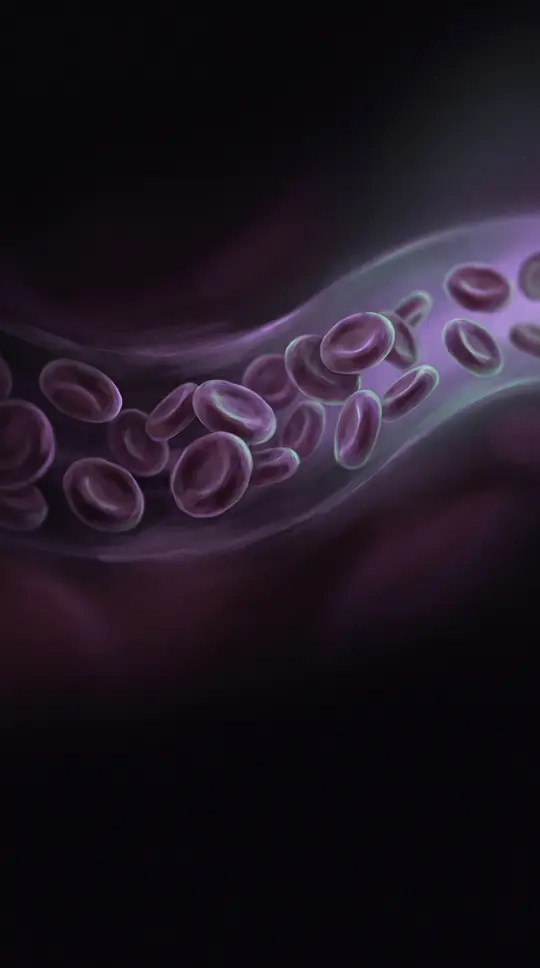
In short: Sepsis is a medical emergency where the body's immune system turns against itself, potentially leading to septic shock. This severe condition causes widespread organ damage and dangerously low blood pressure. Understanding how this inflammatory cascade works is critical, as early identification remains the most effective tool for saving lives.
Septic shock is the most severe complication of sepsis, a condition where the immune system overreacts to an infection. While the exact cause of this overreaction remains unknown, it is understood that the body simultaneously activates pro-inflammatory and anti-inflammatory pathways. This complex response involves immune cells like monocytes, macrophages, and neutrophils interacting with the endothelium, the lining of blood vessels. These cells release cytokines, proteases, and nitric oxide, which trigger a systemic inflammatory response.
The endothelium is the primary site of this damage. When the inflammatory response is massive, it causes microvascular injury, activates coagulation cascades, and leads to capillary leakage. This process results in systemic vasodilation, which causes blood pressure to plummet. To compensate, the heart may suffer from myocardial dysfunction, struggling to pump effectively. In extreme cases, this can lead to disseminated intravascular coagulation (DIC), where blood clots form throughout the body, potentially causing severe complications like peripheral ischemic limb necrosis.
The 2009 EPIC II study highlighted that gram-negative bacterial infections are the most common cause of sepsis syndromes, occurring in 62% of cases, while gram-positive infections account for 47%. Respiratory infections are the most frequent site of origin, representing 42% of cases. Because the condition progresses rapidly, treatment requires immediate medical intervention, typically involving antibiotics, intravenous fluids, and oxygen. While early goal-directed therapies and care bundles have improved outcomes, the mortality rate for septic shock remains high, making rapid recognition the most vital therapeutic step.
Opens the Intellect+ feed with this card first. Swipe up for the next one.
Sources
- Summary by Intellect · source: Sepsis
- Also: Septic Shock
- Also: Septic shock
To cite this card, link to https://intellectplus.co.uk/app/health-septic-shock.
How we source, check and correct cards: Editorial standards.
General information, not professional advice. Spotted an error? Flag the card or see corrections and complaints.
Intellect Plus is a visual educational discovery platform for exploring fascinating facts and ideas. Brain Food, Not Brain Rot. What is Intellect Plus?
Related
More in Morbidity · More in Health · Latest · A–Z · All topics
