Scoliosis is more than just a crooked spine; it is a complex, three-dimensional condition.
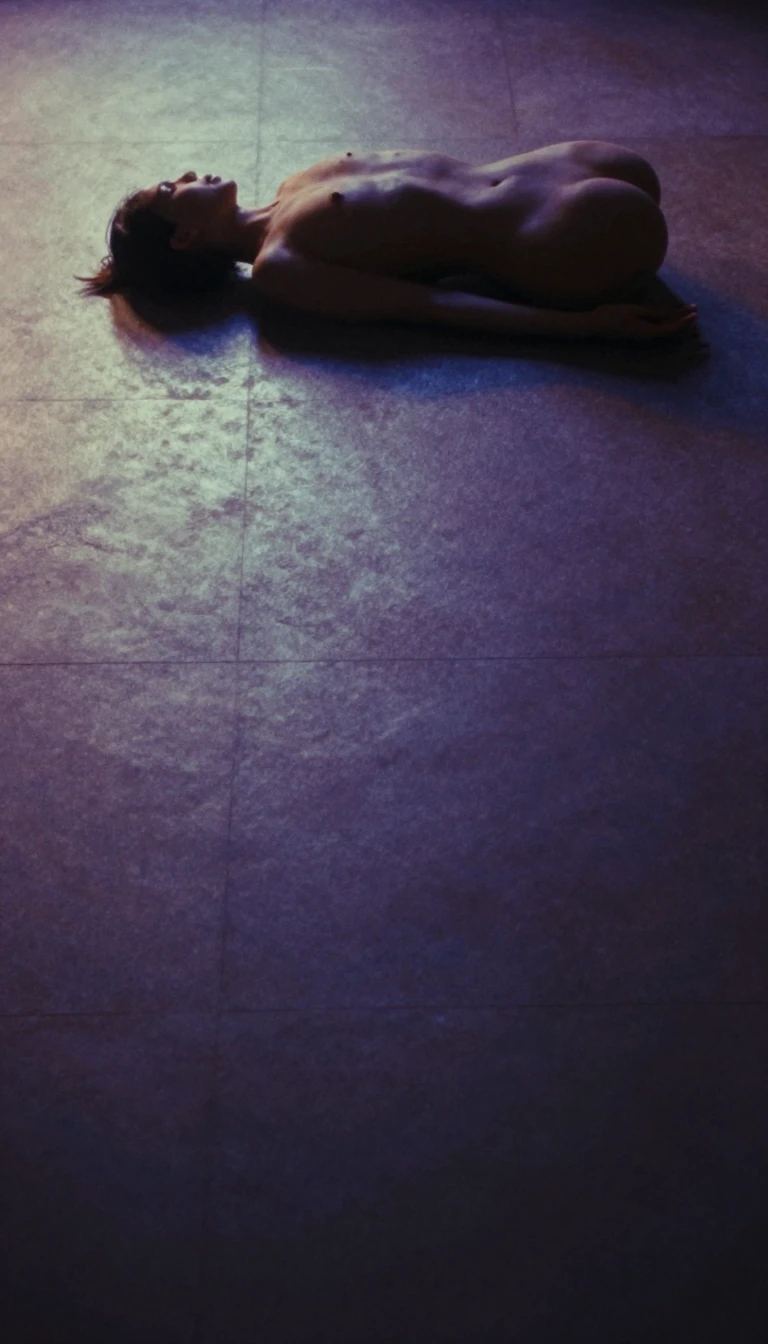
In short: Scoliosis is an abnormal side-to-side curvature of the spine, often appearing during the rapid growth spurts of adolescence. While many cases are mild and go unnoticed, understanding the mechanics of this condition is vital for early detection, as intervention becomes significantly more difficult once a patient reaches skeletal maturity.
At its core, scoliosis is defined by an irregular curve in the coronal plane, frequently accompanied by a rotational component that results in an S- or C-shaped spine. While the condition is often associated with the teenage years—specifically ages 10 to 15—it can also emerge in adulthood due to spinal degeneration. The severity of the curve is measured in degrees, similar to geometry, using a device called a scoliometer or through X-ray imaging. A curve of less than 10 degrees is generally not considered scoliosis, while anything exceeding 40 degrees is classified as severe.
The origins of the condition remain largely mysterious, with approximately 65% of cases classified as idiopathic, meaning the cause is unknown. Researchers believe the condition is multifactorial, involving a complex interplay between genetic predispositions and environmental factors. While specific genes have not been conclusively identified, studies have linked the condition to markers involved in bone metabolism and connective tissue structure. Interestingly, about 38% of the risk is attributed to genetics, while 62% is linked to environmental influences, though the exact mechanisms driving these interactions are still being mapped.
Early detection is the primary goal of pediatric screenings, which typically involve a simple physical exam where the patient bends forward to touch their toes. This allows providers to observe posture, alignment, and any rib prominence caused by spinal rotation. While older beliefs suggested that untreated scoliosis inevitably led to severe cardiopulmonary disability by old age, modern longitudinal studies have largely refuted this. Most cases of late-onset idiopathic scoliosis cause minimal impairment beyond cosmetic concerns and occasional back pain, with mortality rates comparable to the general population. Nevertheless, for those with severe curves, treatments ranging from bracing and specific exercises to surgical interventions like posterior spinal fusion remain essential for maintaining quality of life.
Opens the Intellect+ feed with this card first. Swipe up for the next one.
Sources
- Summary by Intellect · source: What Is Scoliosis?
- Also: Scoliosis
To cite this card, link to https://intellectplus.co.uk/app/health-scoliosis.
How we source, check and correct cards: Editorial standards.
General information, not professional advice. Spotted an error? Flag the card or see corrections and complaints.
Intellect Plus is a visual educational discovery platform for exploring fascinating facts and ideas. Brain Food, Not Brain Rot. What is Intellect Plus?
Related
More in Morbidity · More in Health · Latest · A–Z · All topics
