Your spinal nerves are the essential bridge between your brain and your body
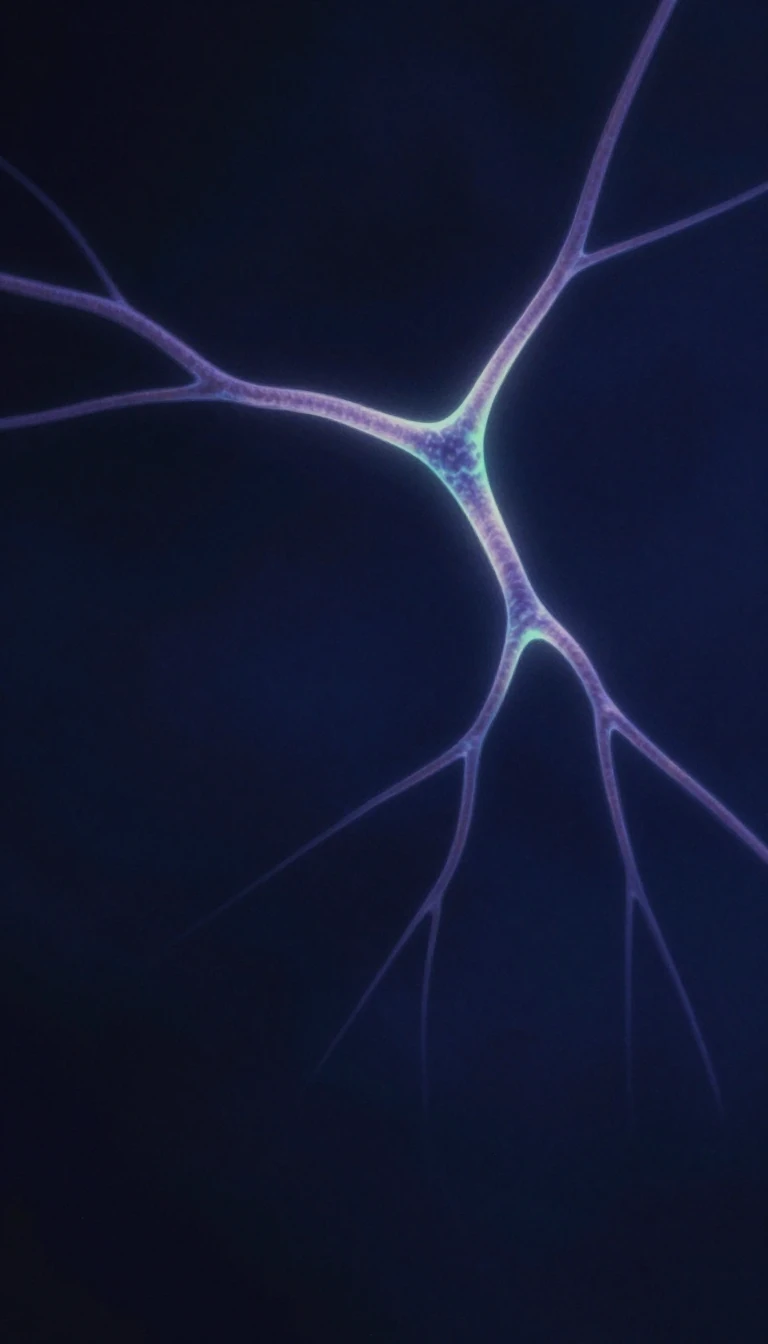
In short: Thirty-one pairs of spinal nerves act as the body's primary communication network. These peripheral nerves connect the spinal cord to specific regions, managing everything from voluntary movement to involuntary reflex actions. They are the reason you can walk, breathe, and react to a hot surface before you even consciously think.
The human spinal cord is a major nerve tract protected by the vertebral column and three membranous envelopes. Within this structure, white matter forms pathways that carry impulses to and from the brain, while gray matter contains the cell bodies and neurons that connect the two sides of the cord. Spinal nerves emerge from this system through the union of dorsal and ventral roots. The dorsal roots handle sensory information, such as pain and temperature, while the ventral roots carry motor signals out to the skeletal muscles and influence involuntary functions like heart rate and digestion.
These nerves are organized into five distinct regions: cervical, thoracic, lumbar, sacral, and coccygeal. Each pair is responsible for a specific body region, facilitating rapid processing of sensory signals. For instance, when you touch a hot surface, sensory receptors trigger a reflex circuit in the spinal cord. This allows the body to initiate a protective movement—pulling away from the heat—before the brain even processes the sensation. This rapid communication is vital for survival and demonstrates the spinal cord's capacity to function independently of conscious awareness.
Beyond human anatomy, researchers study spinal nerves in the fossil record to understand the health of extinct populations. In the saber-toothed cat Smilodon fatalis, scientists have identified skeletal changes suggesting spinal nerve tumors. While human incidence of such tumors is estimated at 0.22 to 0.38 per 100,000 individuals, the prevalence in the La Brea saber-toothed cat sample was significantly higher at 353 per 100,000. While these figures are not directly comparable due to the nature of fossil evidence, the high incidence in the cats may be linked to genetic mutations resulting from inbreeding as the species neared extinction.
Opens the Intellect+ feed with this card first. Swipe up for the next one.
Sources
- Summary by Intellect · source: Spinal nerve | Definition, Function, Diagram, Number, & Facts | Britannica
- Also: Spinal nerve
- Also: Foraminal widening indicating a spinal nerve tumor in the saber-tooth cat <i>Smilodon fatalis</i> from Rancho La Brea.
To cite this card, link to https://intellectplus.co.uk/app/health-spinal-nerve.
How we source, check and correct cards: Editorial standards.
General information, not professional advice. Spotted an error? Flag the card or see corrections and complaints.
Intellect Plus is a visual educational discovery platform for exploring fascinating facts and ideas. Brain Food, Not Brain Rot. What is Intellect Plus?
Related
More in Anatomy and morphology · More in Health · Latest · A–Z · All topics
