Nature's most vivid colors are not painted, but built from light and geometry
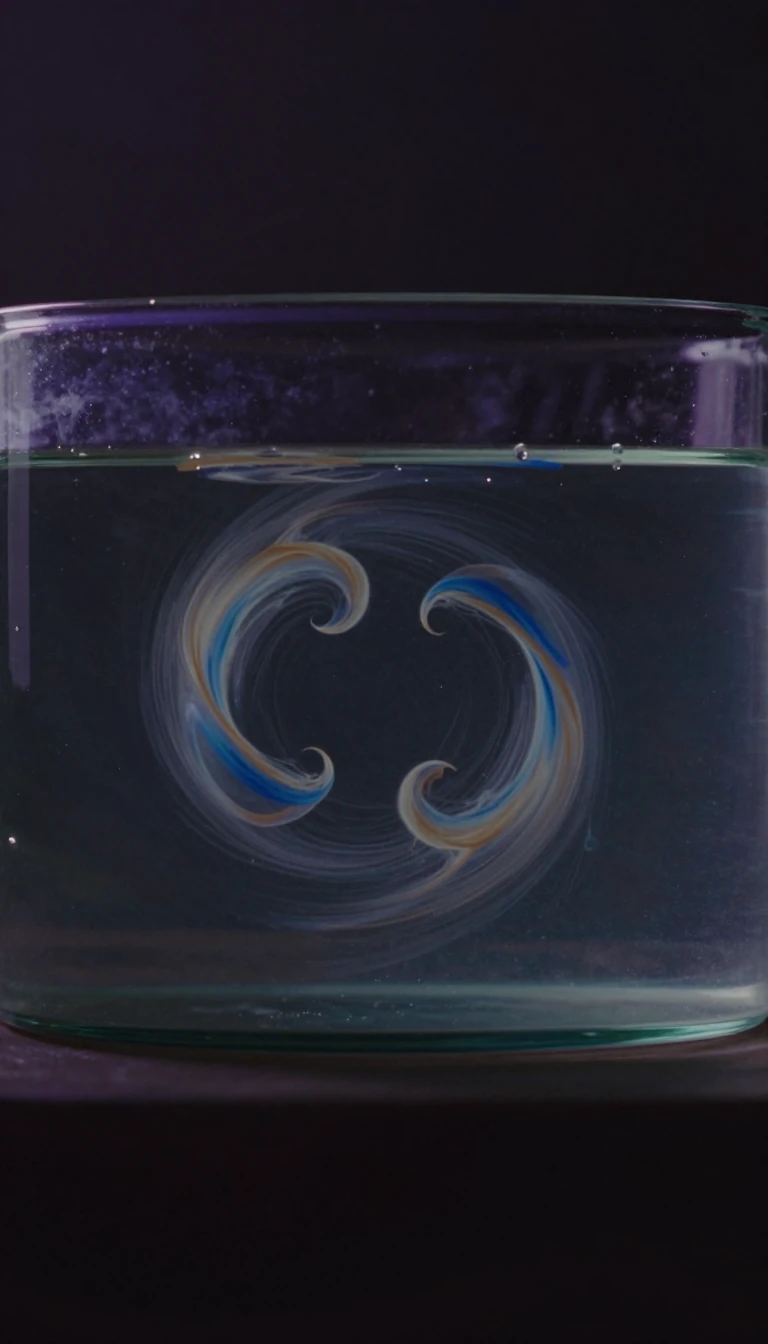
In short: While most colors in our world come from pigments, the most brilliant blues, greens, and metallic golds in nature arise from microscopic architecture. By manipulating light through nanostructures, animals and plants create shimmering, iridescent displays that defy the limitations of traditional dyes, a phenomenon now inspiring next-generation materials.
Structural coloration occurs when micro- or nano-structures interfere with visible light. Unlike pigmentary color, which absorbs specific wavelengths, structural color relies on the physical arrangement of surfaces—such as thin films, photonic crystals, or parallel lines—to scatter, reflect, or refract light. This process produces highly saturated, shimmering, and iridescent hues that can shift depending on the viewing angle. While early scientists like Robert Hooke and Isaac Newton identified these 'fantastical' colors in peacock feathers, modern research has revealed that these mechanisms are widespread, appearing in everything from jewel beetles and butterflies to the marble berries of Pollia condensata.
The paradigm of structural color is increasingly nuanced. For decades, researchers treated structural and pigmentary coloration as distinct, but recent studies suggest they often work in tandem. In peafowl, for instance, a two-dimensional photonic crystal of melanin rods provides the structural foundation for iridescence, yet the presence of the carotenoid lutein acts as an indispensable modulator. Similarly, green hues in many birds and insects often emerge from the interaction between pigments and nanostructures. This synergy suggests that nature rarely relies on a single mechanism to achieve its most complex visual effects.
Beyond biology, this field is a frontier for physics and engineering. Scientists are now investigating how to replicate these effects using synthetic materials, such as metal oxide nanosheets, where intersheet spacing is tuned to match the wavelength of visible light. Understanding how these biophotonic structures develop is a major challenge, but the potential applications are vast, ranging from adaptive camouflage and optical switches to low-reflectance glass. By studying these natural designs, researchers hope to move beyond the constraints of traditional chemistry to create materials that manipulate light with the same precision as a butterfly's wing.
Human fascination with these colors spans history, from ancient Egyptian amulets decorated with beetle elytra to the gold-adorned ornaments of the Silla kingdom in Korea. By integrating perspectives from ethnozoology, art history, and archaeology, researchers are building an anthropology of structural coloration, recognizing that our attraction to these glossy, iridescent surfaces may be rooted in prehistoric needs or an innate human preference for brilliance.
Opens the Intellect+ feed with this card first. Swipe up for the next one.
Sources
- Summary by Intellect · source: Light as matter: natural structural colour in art - Humanities and Social Sciences Communications
- Also: Structural coloration
- Also: Structural Coloration and Carotenoids Together Create the Vibrant Colors of Peafowl Feathers.
- Also: Ultralong-Range Periodic Alignment and Structural Coloration of Titanate and Titanoniobate Nanosheets in Aqueous Dispersions.
To cite this card, link to https://intellectplus.co.uk/app/health-structural-coloration.
How we source, check and correct cards: Editorial standards.
General information, not professional advice. Spotted an error? Flag the card or see corrections and complaints.
Intellect Plus is a visual educational discovery platform for exploring fascinating facts and ideas. Brain Food, Not Brain Rot. What is Intellect Plus?
Related
More in Anatomy and morphology · More in Health · Latest · A–Z · All topics
