Can you taste words or hear colors? The surprising reality of synesthesia explained.
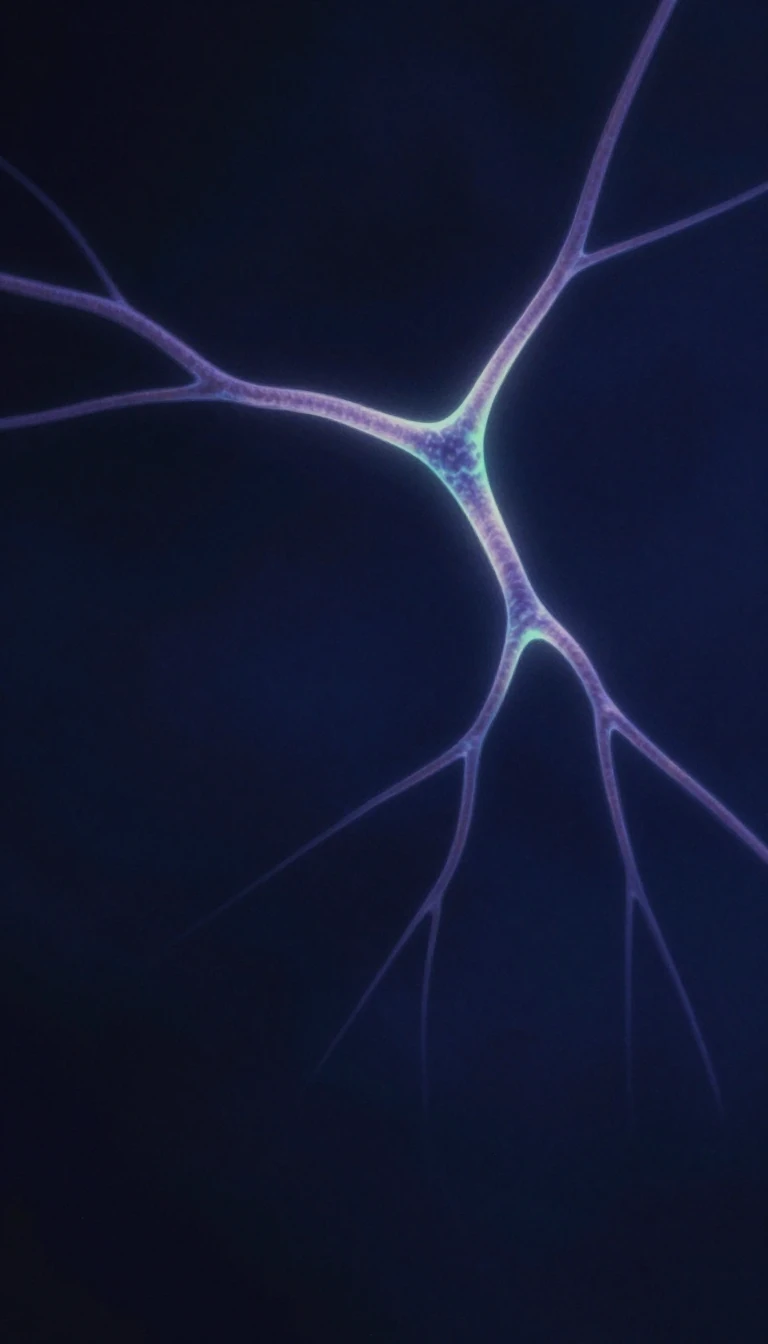
In short: Synesthesia is a fascinating neurological phenomenon where one sense triggers an automatic, involuntary experience in another. For some, hearing music might manifest as vibrant colors, while others feel physical touch when listening to specific sounds. It is not a disease, but rather a unique way the brain processes sensory information.
At its core, synesthesia involves communication between brain regions that are typically not connected in the average person. While most brains process sensory input—like sight or sound—in specific, isolated areas, synesthetes experience a crossover. This can result in a primary effect, such as hearing a musical note, paired with a secondary effect, like seeing a specific color. These secondary experiences are often called photisms when they involve visual phenomena.
Researchers have identified at least 60, and potentially over 150, different forms of this trait. Among the most studied is grapheme-color synesthesia, where letters or numbers are consistently associated with specific hues. Other variations include auditory-tactile synesthesia, where sounds induce physical sensations, and mirror-touch synesthesia, where individuals feel the sensations or pain they observe in others. These experiences can be projective, where the color appears in the external environment, or associative, where the connection is felt strongly within the mind.
The origins of synesthesia remain a subject of active scientific inquiry. It is widely considered a genetically linked trait, affecting an estimated 2 to 5 percent of the population. One prominent theory suggests that neural pruning—the process where the brain pares away excess connections during development—may be incomplete in synesthetes, leaving extra pathways intact. Others propose that these connections exist in everyone but are only fully activated in some. While once dismissed as too subjective in the early 1900s, modern neuroimaging has confirmed it as a discrete, measurable condition.
Though synesthesia is often viewed as a gift that can enhance creativity and memory, it varies greatly in intensity. For the vast majority, it is not disruptive, though rare, severe cases can affect concentration. The first medical account of the phenomenon was published by German physician Georg Tobias Ludwig Sachs in 1812, though earlier mentions date back to the late 17th century. Today, it remains a vital area of research, offering insights into the broader mysteries of human perception and brain connectivity.
Opens the Intellect+ feed with this card first. Swipe up for the next one.
Sources
- Summary by Intellect · source: Sense and sense abilities: How synesthesia changes what people experience
- Also: Synesthesia | Definition, Types, Examples, & Facts | Britannica
- Also: Synesthesia
To cite this card, link to https://intellectplus.co.uk/app/health-synesthesia.
How we source, check and correct cards: Editorial standards.
General information, not professional advice. Spotted an error? Flag the card or see corrections and complaints.
Intellect Plus is a visual educational discovery platform for exploring fascinating facts and ideas. Brain Food, Not Brain Rot. What is Intellect Plus?
Related
More in Anatomy and morphology · More in Health · Latest · A–Z · All topics
