The turkey vulture possesses a superpower that allows it to thrive on rotting flesh.
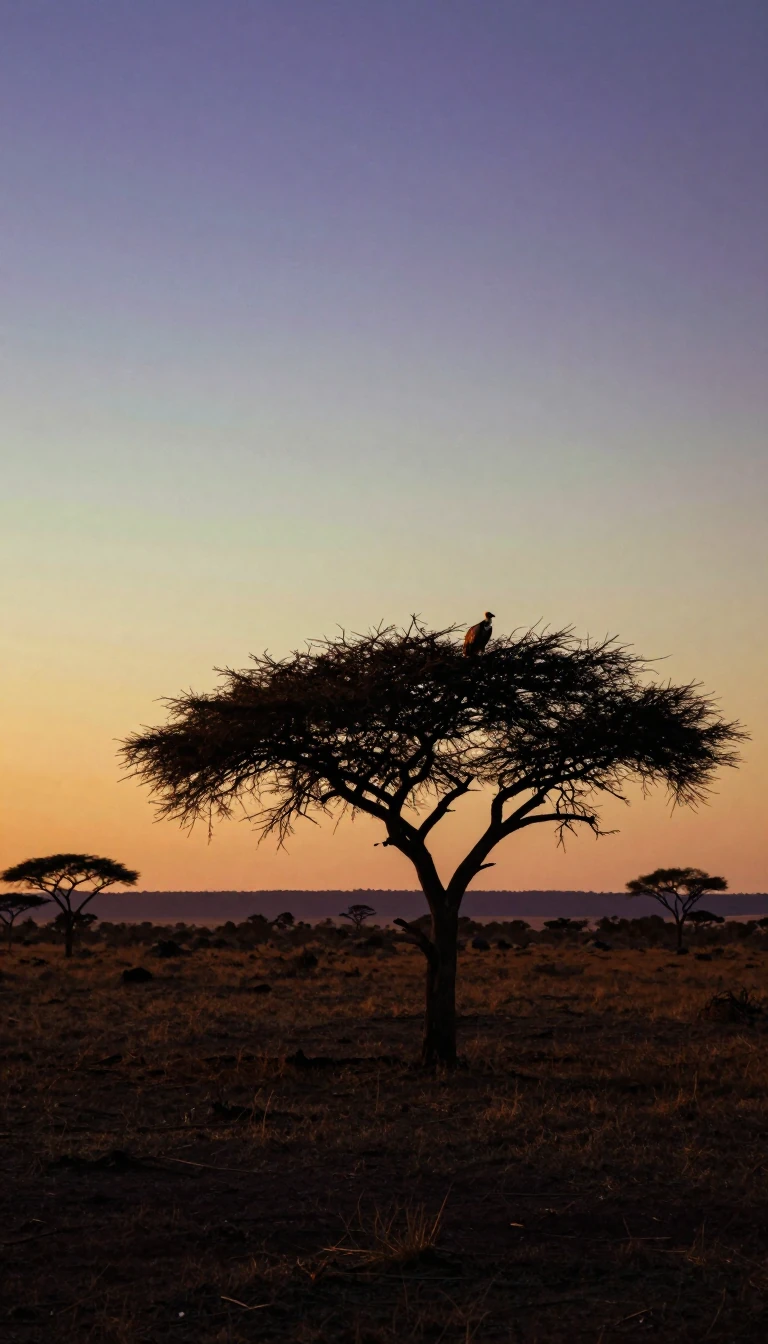
In short: With a sense of smell sensitive enough to detect mere parts per trillion, the turkey vulture is nature’s ultimate cleanup crew. By consuming carcasses tainted with deadly pathogens like anthrax and rabies, these birds prevent the spread of disease, acting as an essential, albeit grotesque, guardian of our ecosystem’s health.
The turkey vulture (Cathartes aura) is a master of the skies, distinguished by its V-shaped wing posture and wobbly flight. While it resembles vultures found in Europe, Africa, and Asia, it is not closely related to them. Instead, the two groups evolved similar traits—such as broad wings and bare heads—through convergent evolution, as they adapted to similar scavenging roles in different parts of the world. The turkey vulture’s scientific name, Cathartes, translates to 'purifier,' a fitting title for a bird that cleans the landscape of decaying matter.
Central to the bird's success is its extraordinary olfactory system. Research indicates that the turkey vulture has the largest olfactory bulbs of any bird, both in absolute terms and when adjusted for brain size. These bulbs are four times larger than those of the sympatric black vulture and contain double the number of mitral cells. This anatomical specialization allows the bird to detect the gases produced by early decay, enabling it to locate carrion even beneath dense forest canopies. This heightened sensitivity likely helped the species colonize diverse biomes across the Americas.
Beyond its nose, the turkey vulture possesses a biological defense against the pathogens found in its diet. Its stomach acid is extremely potent, allowing it to digest carcasses infected with rabies, tuberculosis, and anthrax without succumbing to illness. When threatened, the bird can also weaponize its stomach contents by vomiting on potential predators. Furthermore, to regulate its body temperature in the heat, the vulture employs a unique behavior: it defecates on its own legs. These adaptations ensure the species remains a resilient and widespread scavenger, with a global population estimated at 18 million individuals.
Opens the Intellect+ feed with this card first. Swipe up for the next one.
Sources
- Summary by Intellect · source: Turkey Vulture Overview, All About Birds, Cornell Lab of Ornithology
- Also: Turkey vulture
- Also: Anatomical evidence for scent guided foraging in the turkey vulture.
To cite this card, link to https://intellectplus.co.uk/app/health-turkey-vulture.
How we source, check and correct cards: Editorial standards.
General information, not professional advice. Spotted an error? Flag the card or see corrections and complaints.
Intellect Plus is a visual educational discovery platform for exploring fascinating facts and ideas. Brain Food, Not Brain Rot. What is Intellect Plus?
Related
More in Health, medicine and disease · More in Health · Latest · A–Z · All topics
