The Egyptian vulture is a rare bird that uses tools and eats feces.
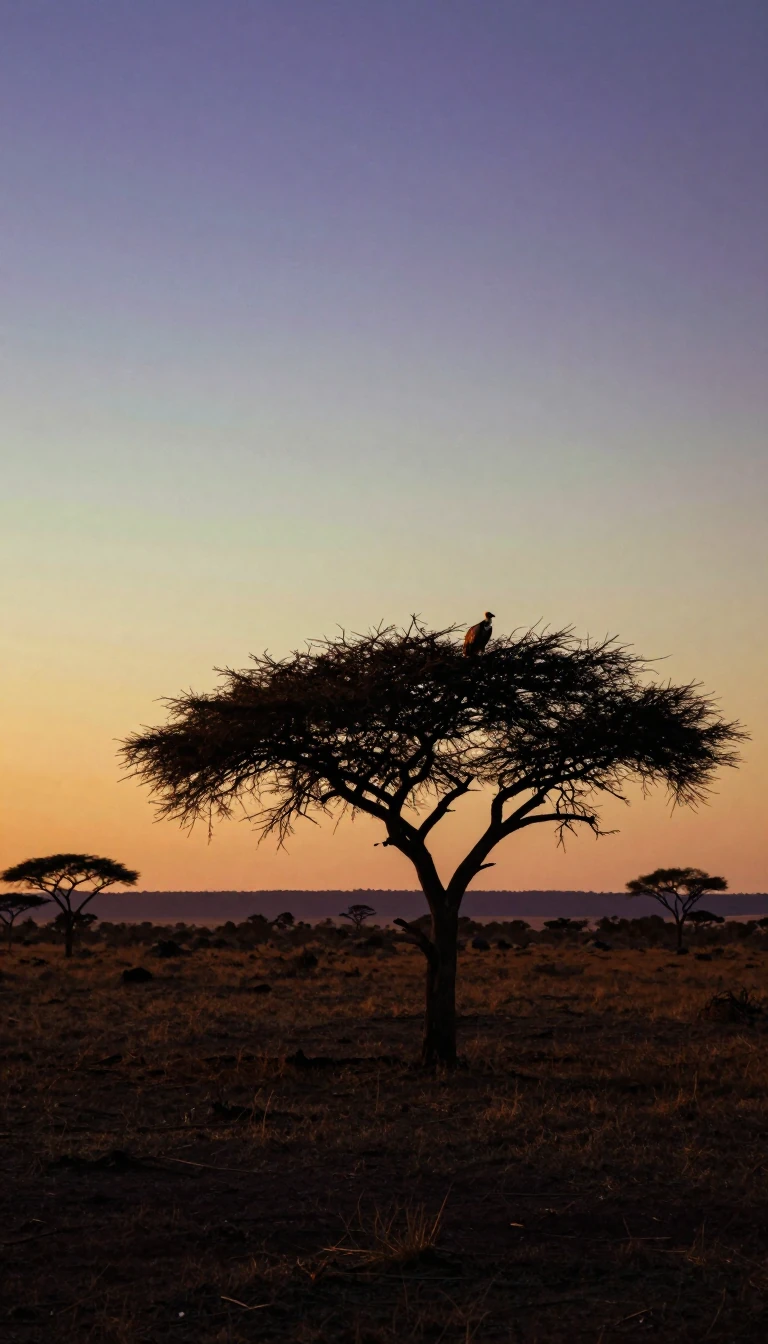
In short: Known as the pharaoh's chicken, this small scavenger is one of the few birds to use tools, tossing pebbles to crack open eggs. It is also the only Old World vulture that regularly consumes feces, a habit that provides the carotenoids necessary for its distinctively bright yellow facial skin.
The Egyptian vulture (Neophron percnopterus) is a small, widely distributed scavenger found across the Iberian Peninsula, North Africa, West Asia, and India. Formally described by Carl Linnaeus in 1758, it is the only extant species in its genus. While they primarily feed on carrion, their opportunistic diet includes small mammals, reptiles, and notably, feces. This coprophagy is unique among Old World vultures and serves a biological purpose: the ingestion of carotenoids from vegetal matter in dung gives the birds their signature yellow facial skin, which may act as a signal of their physical fitness.
Tool use is a rare trait in the avian world, yet the Egyptian vulture demonstrates remarkable ingenuity. When faced with large eggs, such as those of an ostrich, they pick up a pebble in their bill and repeatedly toss it against the shell until it breaks. This behavior is innate rather than learned. Additionally, they have been observed using twigs to gather wool for nest lining. Despite these adaptations, the species faces significant threats, including poisoning, electrocution on power lines, and habitat loss. Populations have declined sharply since the 20th century, with some regions seeing drops of 35% annually.
Conservation efforts are now underway to stabilize their numbers. Projects in Europe and Iran focus on insulating power lines, removing poison baits, and creating safe feeding areas. These interventions have shown promise, with some populations exhibiting increased survival rates. Historically, the bird held a place of reverence; it was sacred to the goddesses Isis and Mut in ancient Egypt and was protected by Pharaonic law. Today, they remain a subject of fascination, from the genetically distinct 'guirre' of the Canary Islands to the temple-dwelling birds of southern India.
Opens the Intellect+ feed with this card first. Swipe up for the next one.
Sources
- Summary by Intellect · source: Egyptian vulture
To cite this card, link to https://intellectplus.co.uk/app/nature-egyptian-vulture.
How we source, check and correct cards: Editorial standards.
General information, not professional advice. Spotted an error? Flag the card or see corrections and complaints.
Intellect Plus is a visual educational discovery platform for exploring fascinating facts and ideas. Brain Food, Not Brain Rot. What is Intellect Plus?
Related
More in Vertebrates · More in Nature · Latest · A–Z · All topics
