From atomic bomb components to the world's deadliest industrial disaster, a corporate history.
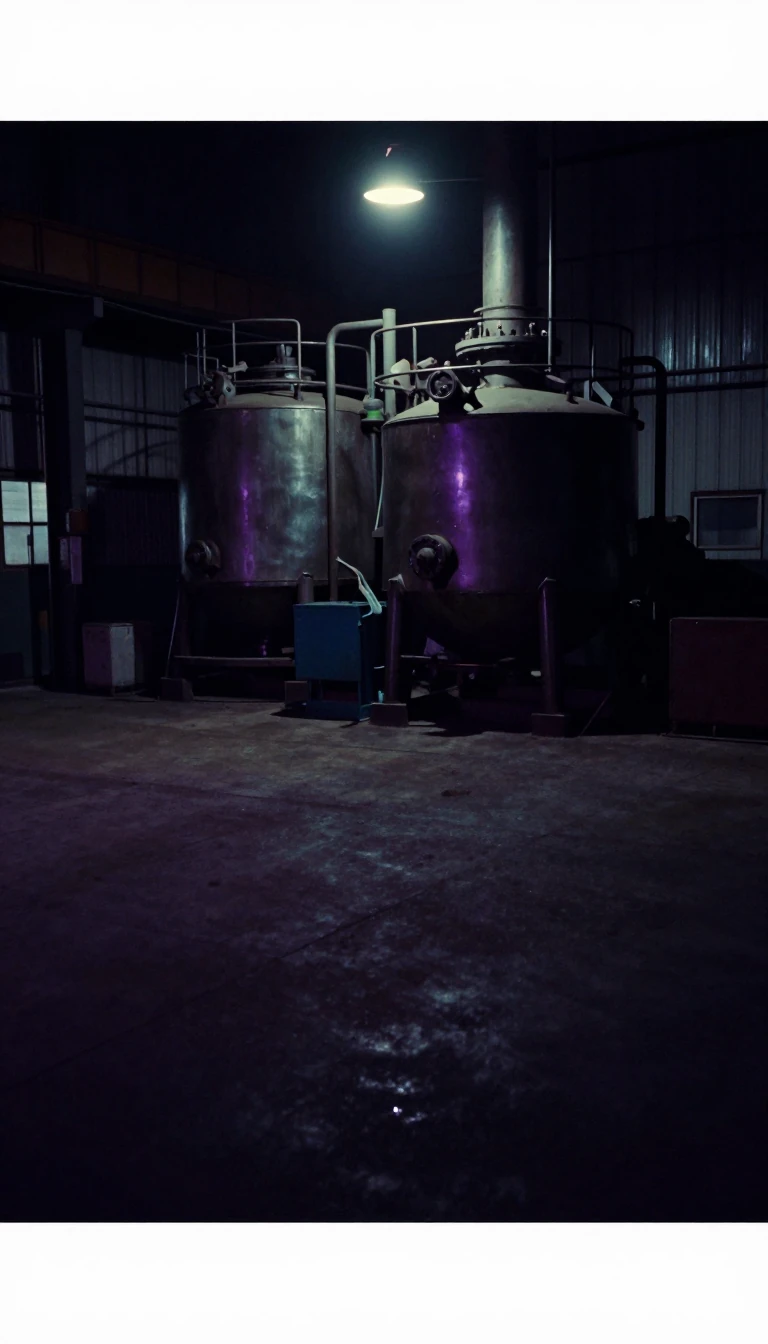
In short: Union Carbide began as a wartime industrial powerhouse, pioneering everything from antifreeze to uranium for the first atomic bomb. Yet, its legacy is defined by the 1984 Bhopal disaster, an industrial catastrophe that claimed thousands of lives and left a multi-generational trail of health crises in its wake.
Formed in 1917 through the merger of four companies, Union Carbide quickly became a cornerstone of American industrial might. By leveraging research and development, the corporation expanded from its roots in carbon and oxygen products into petrochemicals, plastics, and even high-stakes aerospace projects. During World War II, its role was critical; the company operated the gaseous diffusion plant in Oak Ridge, Tennessee, which produced the uranium-235 required for the first atomic bomb. This era of rapid growth established a pattern of diversification that saw the company produce consumer staples like Prestone antifreeze and Eveready batteries.
However, the company’s history is punctuated by severe industrial failures. Long before Bhopal, the Hawks Nest Tunnel project in West Virginia (1927–1932) resulted in hundreds of worker deaths from silicosis due to silica dust exposure. Later, in the 1960s, the company mined and marketed chrysotile asbestos fibers under the brand name Calidria. These incidents underscore a recurring tension between industrial ambition and the safety of workers and surrounding communities, a conflict that reached its most devastating conclusion in India.
On December 3, 1984, a methyl isocyanate gas leak at Union Carbide’s pesticide plant in Bhopal, India, triggered the worst industrial accident in history. The plant, which had been built in violation of local development plans that required hazardous facilities to be located away from dense populations, exposed over 500,000 people to toxic chemicals. While at least 3,800 died immediately, estimates suggest 15,000 to 20,000 subsequent deaths. The long-term health consequences were profound: children exposed in utero faced higher rates of cancer and disabilities, while women experienced increased infertility and stillbirths. In 1989, India’s Supreme Court ordered the company to pay $470 million in compensation, and in 2001, Union Carbide became a subsidiary of the Dow Chemical Company.
Opens the Intellect+ feed with this card first. Swipe up for the next one.
Sources
- Summary by Intellect · source: Union Carbide Corporation | Chemical Industry, Bhopal Disaster, & Environmental Pollution | Britannica Money
- Also: Union Carbide
To cite this card, link to https://intellectplus.co.uk/app/health-union-carbide.
How we source, check and correct cards: Editorial standards.
General information, not professional advice. Spotted an error? Flag the card or see corrections and complaints.
Intellect Plus is a visual educational discovery platform for exploring fascinating facts and ideas. Brain Food, Not Brain Rot. What is Intellect Plus?
Related
More in Health, medicine and disease · More in Health · Latest · A–Z · All topics
