How a titan of American industry built the world and then collapsed into history
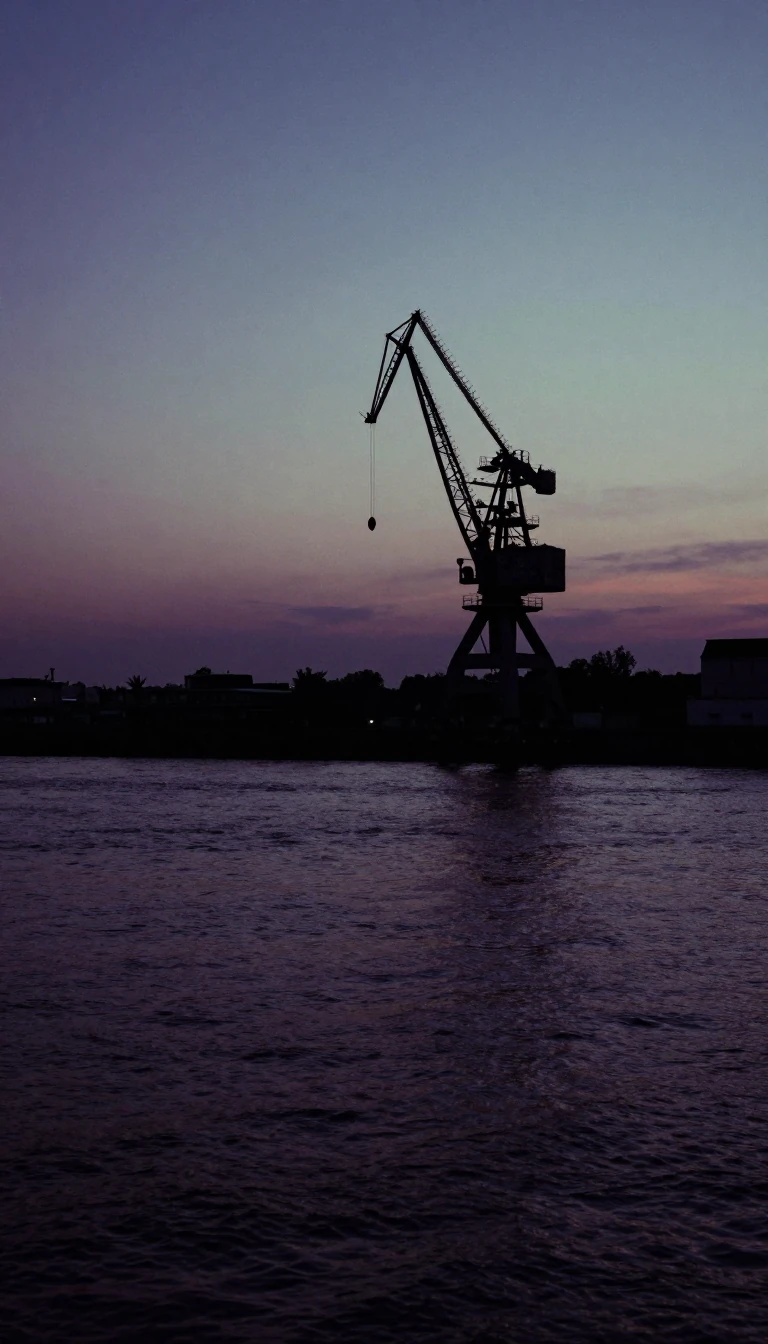
In short: Bethlehem Steel once defined the industrial might of the United States, forging the beams for iconic skyscrapers and the warships that secured victory in two world wars. Yet, despite its monumental influence, the corporation eventually succumbed to global competition and internal pressures, marking a definitive shift in the American landscape.
The origins of Bethlehem Steel trace back to 1857 with the founding of the Saucona Iron Company in Bethlehem, Pennsylvania. Initially focused on producing wrought-iron railroad rails, the enterprise evolved significantly under the leadership of Charles M. Schwab. In 1904, Schwab consolidated various assets, including the Union Iron Works, to form the Bethlehem Steel Corporation. This entity quickly became a powerhouse, fueled by massive military contracts for guns, munitions, and naval vessels during World War I. Its reach expanded further throughout the 20th century, with its steel forming the structural backbone of landmarks like the Empire State Building, the Golden Gate Bridge, and the George Washington Bridge.
The corporation's decline was multifaceted, rooted in the shifting tides of the global economy. By the 1960s and 1970s, Bethlehem Steel faced mounting pressure from cheaper imports originating in Japan and Western Europe, followed later by South Korea and China. Attempts to diversify into plastics, chemicals, and nonferrous ore mining failed to stem the losses. Simultaneously, the company was crippled by significant legacy costs, including heavy pension and health care obligations, alongside thousands of asbestos-related lawsuits stemming from its shipyard and mill operations. These financial burdens proved insurmountable as the workforce shrank and market share eroded.
The final chapter for the company arrived in 2001 when it filed for bankruptcy protection. By 2003, the corporation was dissolved, and its remaining assets were sold to the International Steel Group, eventually becoming part of ArcelorMittal. The collapse of Bethlehem Steel is widely viewed as a symbolic turning point for the Rust Belt, a region that transitioned from a thriving hub of manufacturing to one defined by widespread unemployment. Today, the legacy of the company remains etched in the skyline of American cities, serving as a reminder of an era when domestic steel production was the undisputed engine of national power and prestige.
Opens the Intellect+ feed with this card first. Swipe up for the next one.
Sources
- Summary by Intellect · source: Bethlehem Steel Corporation | Industry Leader, Iron & Steel | Britannica Money
- Also: Bethlehem Steel
To cite this card, link to https://intellectplus.co.uk/app/technology-bethlehem-steel.
How we source, check and correct cards: Editorial standards.
General information, not professional advice. Spotted an error? Flag the card or see corrections and complaints.
Intellect Plus is a visual educational discovery platform for exploring fascinating facts and ideas. Brain Food, Not Brain Rot. What is Intellect Plus?
Related
More in Industry · More in Technology · Latest · A–Z · All topics
