Those swollen, twisted veins in your legs are more than just a cosmetic concern.
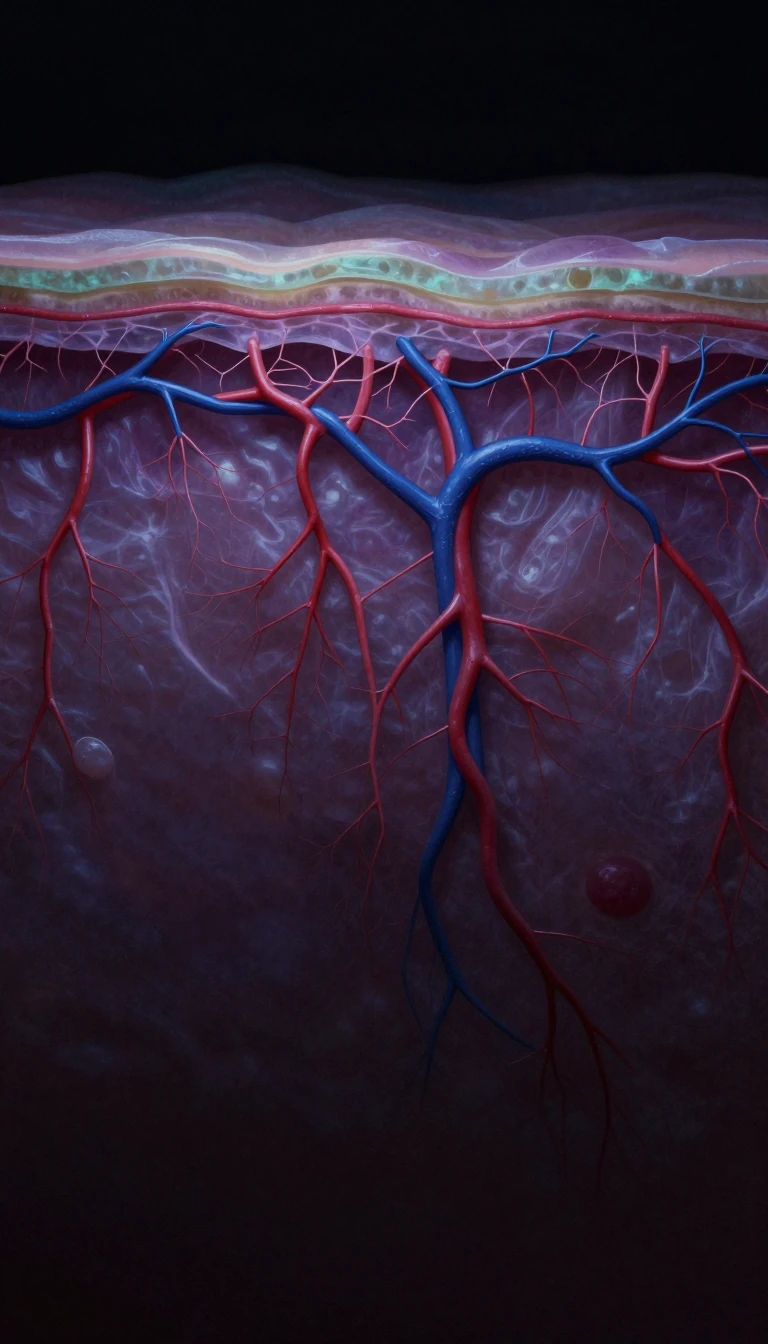
In short: Varicose veins occur when blood pools in superficial vessels, causing them to bulge and ache. While often dismissed as a simple aesthetic issue, these twisted veins can signal deeper circulatory problems. Understanding why your valves fail is the first step toward managing the heaviness, swelling, and potential long-term complications.
Varicose veins develop when the tiny, one-way valves inside your superficial veins weaken or fail. Normally, these valves ensure blood flows efficiently back toward the heart. When they malfunction, blood flows backward—a process called reflux—and pools in the vein. This accumulation increases pressure against the vessel walls, causing them to lose elasticity, swell, and twist into the visible, rope-like structures often seen on the calves and ankles.
While the exact trigger for this valve failure remains elusive, several factors are known to increase risk. Age is a primary driver, as veins naturally lose flexibility over time. Genetics also play a significant role, as the condition frequently runs in families. Other contributors include pregnancy, obesity, and prolonged periods of standing, all of which place additional strain on the leg veins. Tobacco use can further damage vein health, while hormonal shifts—such as those during menopause or from estrogen-based birth control—can cause vein walls to stretch.
Most people experience only mild symptoms like aching, itching, or a heavy sensation in the legs. However, if left untreated, the condition can progress to more serious complications. Chronic pressure may lead to skin discoloration, eczema, or the development of venous ulcers near the ankle. In some cases, blood clots can form within the superficial veins, a condition known as superficial thrombophlebitis. While generally not life-threatening, these veins can sometimes be an early indicator of chronic venous insufficiency, and in rare instances, they may increase the risk of deep vein thrombosis, where a clot travels to the lungs.
Management focuses on reducing venous pressure through lifestyle adjustments, such as regular exercise, maintaining a healthy weight, and elevating the legs. When symptoms become troublesome, medical interventions like endothermal ablation, foam sclerotherapy, or surgical stripping are used to close or remove the affected vessels. These procedures redirect blood flow to healthier, deeper veins, effectively relieving the discomfort and swelling associated with the condition.
Opens the Intellect+ feed with this card first. Swipe up for the next one.
Sources
- Summary by Intellect · source: Varicose veins
- Also: Varicose veins - Overview
- Also: What Are Varicose Veins?
- Also: Varicose veins
To cite this card, link to https://intellectplus.co.uk/app/health-varicose-veins.
How we source, check and correct cards: Editorial standards.
General information, not professional advice. Spotted an error? Flag the card or see corrections and complaints.
Intellect Plus is a visual educational discovery platform for exploring fascinating facts and ideas. Brain Food, Not Brain Rot. What is Intellect Plus?
Related
More in Health, medicine and disease · More in Health · Latest · A–Z · All topics
