How a single Icelandic volcano grounded millions of travelers across Europe in 2010
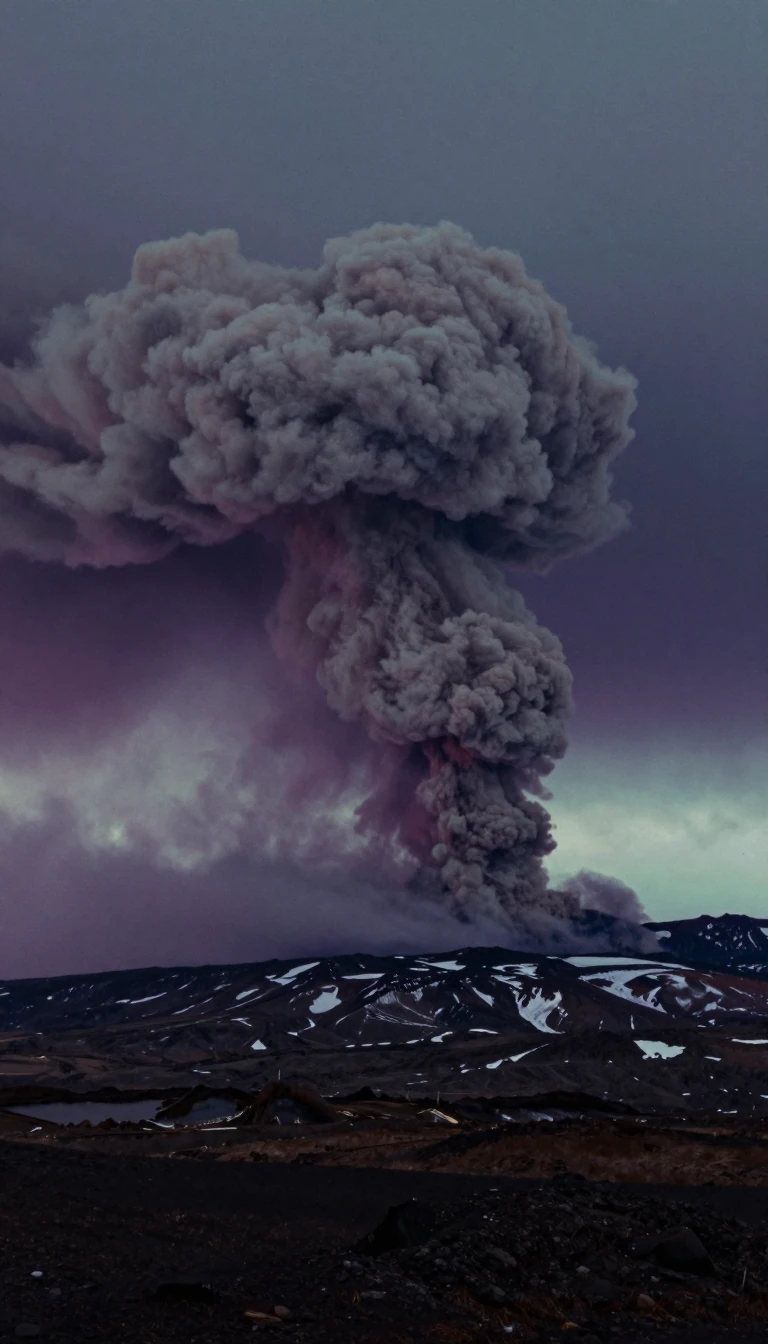
In short: In April 2010, the eruption of Eyjafjallajökull triggered the most significant air travel disruption since the Second World War. By injecting glass-rich ash directly into the jet stream, the volcano forced twenty countries to close their airspace, leaving approximately 10 million travelers stranded as flights across the continent were grounded.
The 2010 volcanic events at Eyjafjallajökull began with a relatively small, effusive eruption on March 20, rated 1 on the Volcanic Explosivity Index (VEI). This initial phase, which lasted until April 12, involved lava flows on the mountain's flanks. However, the situation escalated dramatically on April 14 when a second phase began beneath 200 metres of glacial ice. As meltwater interacted with erupting magma, it caused rapid vaporisation and cooling, shattering the lava into highly abrasive, glass-rich ash particles.
This second phase, rated as a VEI 4 eruption, produced an ash plume that reached heights of around 9 kilometres. Because the volcano sits directly beneath the jet stream, and because the jet stream's path remained unusually stable and directed southeast at the time, this abrasive ash was carried across Northern Europe. The resulting cloud led to the closure of most European IFR airspace from April 15 to April 20, 2010. The scale of the disruption was unprecedented in the post-war era, affecting millions of passengers and forcing a massive logistical response from aviation authorities.
While the eruption was officially declared over in October 2010 after three months of inactivity, the event highlighted the vulnerability of modern aviation to volcanic activity. Scientists from the Icelandic Meteorological Office and the University of Iceland monitored the volcano throughout, noting that the area remained geothermally active. The event also sparked discussions about the potential for future eruptions at the nearby, larger volcano, Katla. Beyond the travel chaos, the eruption had local impacts, including the evacuation of hundreds of farmers and warnings regarding fluoride-contaminated water sources for livestock, illustrating the complex, multi-layered consequences of such geological events.
Opens the Intellect+ feed with this card first. Swipe up for the next one.
Sources
- Summary by Intellect · source: 2010 eruptions of Eyjafjallajökull
To cite this card, link to https://intellectplus.co.uk/app/history-2010-eruptions-of-eyjafjallaj-kull.
How we source, check and correct cards: Editorial standards.
General information, not professional advice. Spotted an error? Flag the card or see corrections and complaints.
Intellect Plus is a visual educational discovery platform for exploring fascinating facts and ideas. Brain Food, Not Brain Rot. What is Intellect Plus?
Related
More in History by subject matter · More in History · Latest · A–Z · All topics
