How an Icelandic volcanic fissure eruption triggered a global climate crisis in 1783
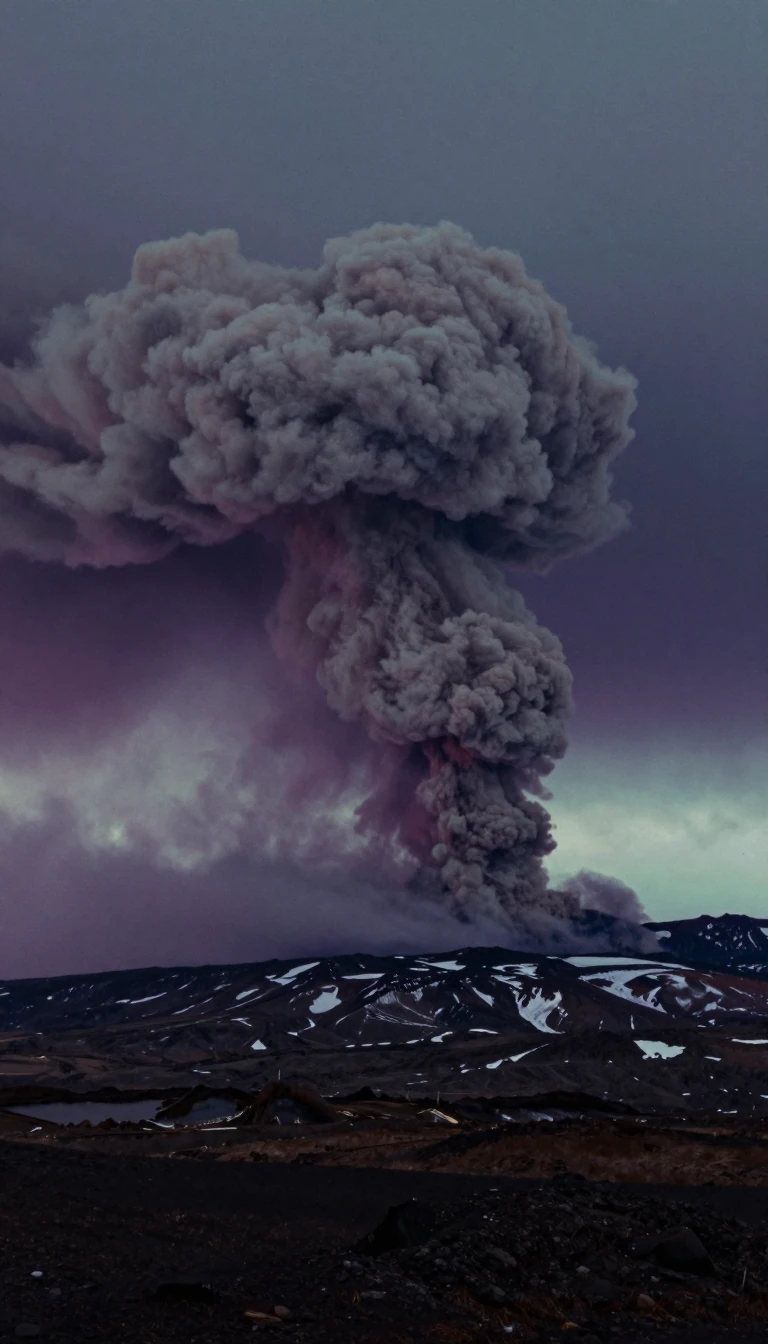
In short: In 1783, a massive volcanic event in Iceland unleashed a poisonous haze that drifted across Europe and beyond. This "Laki haze" choked the Northern Hemisphere, causing widespread crop failures, extreme weather, and devastating famines that reached as far as Egypt and Japan, fundamentally altering the course of the eighteenth century.
The Laki fissure eruption, also known as the Skaftá fires, began on 8 June 1783 and persisted for eight months. Located in Iceland, the event involved a 25-kilometer-long fissure that opened with phreatomagmatic explosions before transitioning into high-volume lava effusion. Over the course of the eruption, the system released an estimated 14 cubic kilometers of basalt lava and 120 million tonnes of sulfur dioxide into the atmosphere, reaching altitudes of 15 kilometers.
The environmental impact was immediate and catastrophic. In Iceland, the release of 8 million tonnes of fluorine led to severe fluorosis in livestock, killing over 50 percent of the island's cattle and horses and 80 percent of its sheep. The resulting famine claimed at least 20 percent of the human population. Beyond Iceland, the sulfurous haze spread across Europe, causing respiratory distress and thousands of excess deaths. The gas reacted with lung moisture to produce sulfurous acid, while the thick fog obscured the sun, which observers described as blood-colored.
The climatic consequences were global and long-lasting. The eruption caused a significant drop in temperatures, leading to a volcanic winter. In North America, the winter of 1784 was exceptionally severe, with the Mississippi River freezing at New Orleans. In Europe, the disruption contributed to years of extreme weather, including failed harvests and droughts. These environmental stressors exacerbated existing social tensions, with some historians suggesting the resulting poverty and famine in France played a significant role in the lead-up to the French Revolution in 1789.
The event remains a landmark in environmental history, demonstrating how localized volcanic activity can trigger a cascade of global disasters. From the Sahel in Africa, where monsoon circulations were weakened, to the Great Tenmei famine in Japan, the Laki eruption serves as a stark reminder of the interconnectedness of Earth's climate systems and the profound vulnerability of human societies to sudden, large-scale atmospheric changes.
Opens the Intellect+ feed with this card first. Swipe up for the next one.
Sources
- Summary by Intellect · source: Laki
To cite this card, link to https://intellectplus.co.uk/app/science-laki.
How we source, check and correct cards: Editorial standards.
General information, not professional advice. Spotted an error? Flag the card or see corrections and complaints.
Intellect Plus is a visual educational discovery platform for exploring fascinating facts and ideas. Brain Food, Not Brain Rot. What is Intellect Plus?
Related
More in History · Latest · A–Z · All topics
