Why ancient Iranian religion remains a ghost in the machine of history
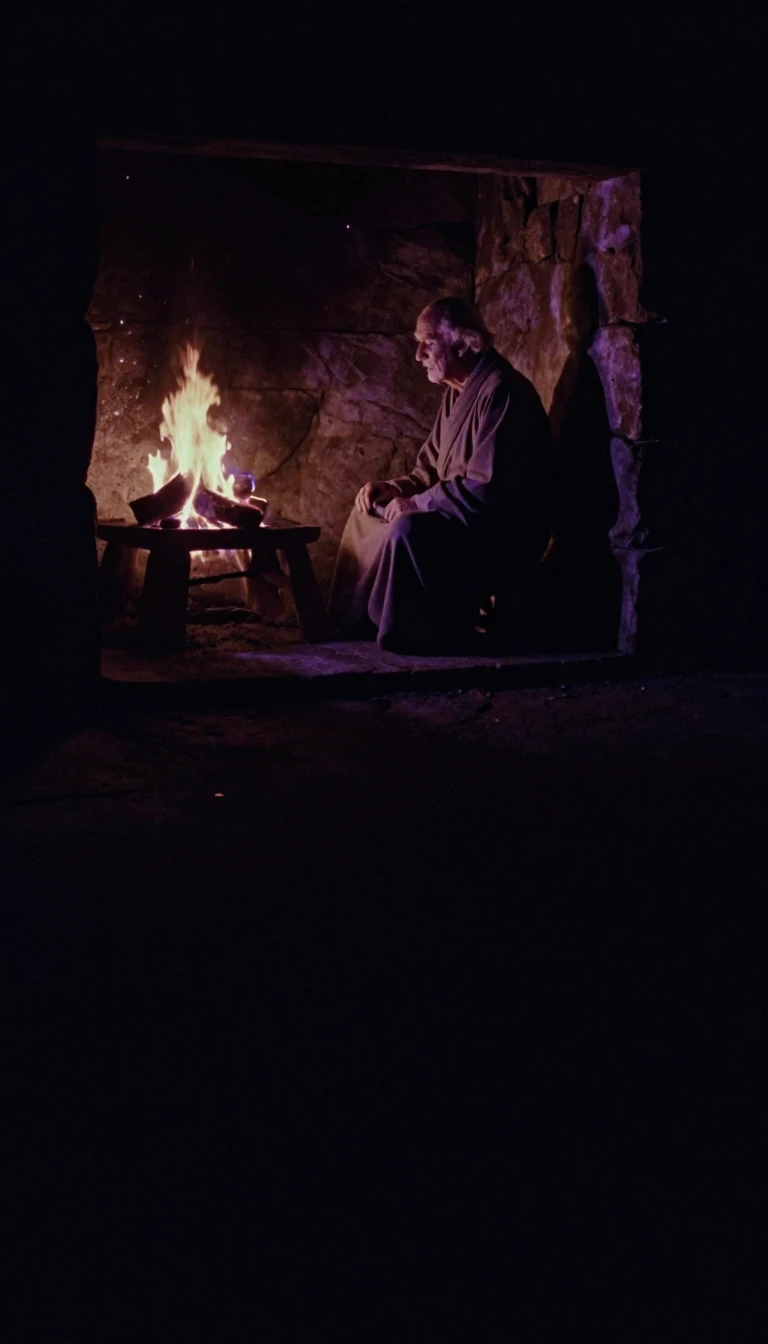
In short: Unlike its neighbors, ancient Iranian religion left no written records of its own for centuries. Everything we know is reconstructed from oral traditions, foreign accounts, and the sacred texts of later Zoroastrianism. It was a vibrant, diverse belief system that shaped the Middle East long before the rise of empires.
Ancient Iranian religion was not a single, monolithic faith but a diverse collection of beliefs held by peoples across the Iranian plateau and Central Asia. These groups shared linguistic and cultural roots with the ancient Indo-Aryan speakers of the Indian subcontinent. Because these religions relied entirely on oral transmission for composition and practice, they remain the only major Middle Eastern belief system without contemporary written texts from the ancient period.
Our modern understanding relies on a patchwork of sources. The most critical indigenous text is the Avesta, a collection of scriptures compiled much later, during the Sāsānian Empire under Khosrow I (531–579 ce). While the Avesta is a Zoroastrian document, it preserves ancient material, such as the Yashts—verses dedicated to pre-Zoroastrian deities that were later edited with Zoroastrian terminology. To fill the gaps, scholars turn to the Rigveda, an Indian collection of over 1,000 hymns dating from 1300 to 900 bce, which provides a vital comparative mirror for reconstructing these lost Iranian traditions.
The Achaemenian royal inscriptions, particularly those of Darius (522–486 bce) and Xerxes I (486–465 bce), offer rare, fixed points in time and space. These inscriptions served as imperial propaganda, articulating religious symbols and state policy. For instance, Xerxes I famously claimed to have destroyed the shrines of the daivas, though historians debate whether this was a genuine theological rejection of specific gods or a political maneuver against perceived enemies of the state. These inscriptions, alongside architectural remains, provide the most concrete evidence of how religion functioned at the heart of ancient Persian power.
Opens the Intellect+ feed with this card first. Swipe up for the next one.
Sources
- Summary by Intellect · source: Ancient Iranian religion | Definition, Origin, Development, Beliefs, & Facts | Britannica
- Also: Ancient Iranian religion
To cite this card, link to https://intellectplus.co.uk/app/history-ancient-iranian-religion.
How we source, check and correct cards: Editorial standards.
General information, not professional advice. Spotted an error? Flag the card or see corrections and complaints.
Intellect Plus is a visual educational discovery platform for exploring fascinating facts and ideas. Brain Food, Not Brain Rot. What is Intellect Plus?
Related
More in Empires & civilisations · More in History · Latest · A–Z · All topics
