 Intellect Plus
Empires & civilisations
439 cards. Each one is a 40-second story with a five-minute read behind it.
 The director who turned French gore into a global horror standardAlexandre Aja didn't just make scary movies; he redefined the visceral limits of the genre. By prioritizing practical makeup effects over digital shortcuts, he became a cornerston…
 The Sultan who circumnavigated the globe in a vintage carBefore ascending to the throne of Selangor, Sultan Sharafuddin Idris Shah was a high-seas sailor and endurance racer. From circumnavigating the world on a yacht to racing a 1932 F…
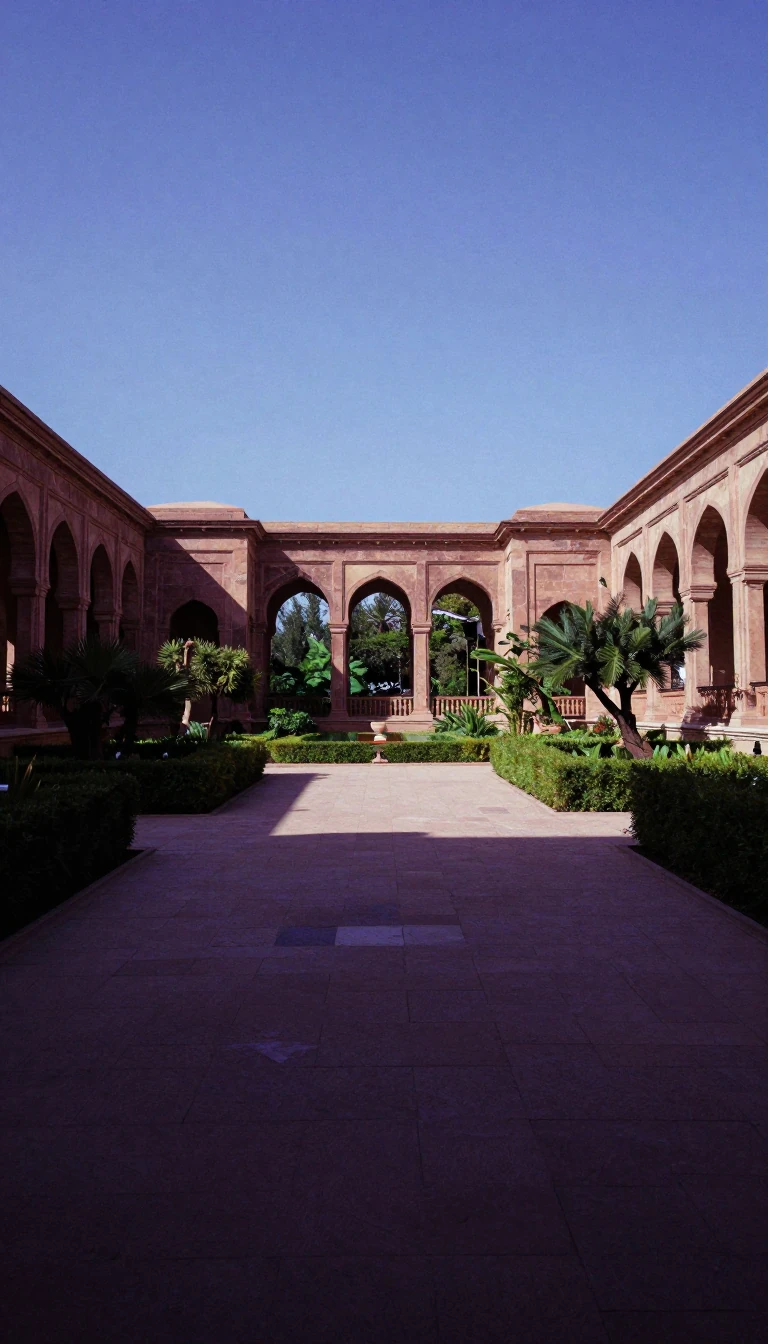 The throne that cost twice as much as the Taj MahalIn the 17th century, the Mughal Emperor Shah Jahan commissioned a seat of power so opulent it was considered a mirror of paradise on earth. This wasn't just a chair; it was a mast…
 From subway busking to Broadway: the dual life of Jill HennessyBefore she became a staple of American prestige television, Jill Hennessy was busking in the Toronto subway. Her journey from a nomadic childhood to becoming a multilingual actres…
 The metabolic price of alcohol: how a vitamin deficiency rewires the brainA severe lack of a single vitamin can trigger a rapid neurological crisis. Known as Wernicke encephalopathy, this condition can lead to permanent, life-altering memory loss if not…
 The beta blocker that calms the heart but complicates the metabolismAtenolol is a cornerstone of cardiovascular medicine, used to manage everything from high blood pressure to migraine prevention. Yet, while it effectively shields the heart from s…
 The beta blocker balancing heart demands with oxygen supplyHow does medicine help a struggling heart meet its metabolic needs? Bisoprolol works by reducing the activity of the heart muscle. By lowering the heart's demand for nutrients and…
 The paradox of motion: why some patients struggle to stay stillImagine a neurological disorder where the primary struggle is not a lack of movement, but an inability to stop it. Tardive dyskinesia turns medication into a physical burden, caus…
 The freshwater shark that senses electricity to find its dinnerThe American paddlefish is a living relic, a fish that looks like a shark but shares a lineage with sturgeons. It navigates the murky depths of the Mississippi River using a speci…
 The ancient code of honor that defines a people's way of lifeFor the Pashtun people, identity is not just a matter of heritage; it is a rigorous code of conduct known as Pashtunwali. This ancient set of moral rules, predating Islam, governs…
 The 1860 election: A fractured nation chooses a president with less than 40 percent supportIn 1860, the United States faced an existential crisis over slavery. The Democratic Party splintered, leaving four major candidates to vie for the presidency. Abraham Lincoln won …
 Before Islam, one man’s life in Mecca defined the lineage of future caliphs.Known as the grandfather of Muhammad, Abd al-Muttalib was a towering figure in pre-Islamic Mecca. From rediscovering a sacred well to facing an invading army of elephants, his lif…
 Is the British monarchy losing its grip on the public imagination after forty years?Public support for the British monarchy has hit its lowest point since records began in 1983. While a majority still prefer the institution over an elected head of state, deep gen…
 How King Zog I Attempted to Modernize Albania Before the Italian InvasionBetween 1928 and 1939, Albania transitioned from a republic to a kingdom under Zog I. While he pursued ambitious legal reforms and infrastructure projects, his rule remained an ab…
 How a wartime experiment in strategic planning became a permanent fixture of American policyThe think tank is often seen as a uniquely American invention, born from the need for safe spaces to discuss complex strategies during World War II. Today, these organizations bri…
 The Meccan aristocrat who traded his reputation for a legacy of bitter opposition.Known as the Father of Wisdom, Amr ibn Hisham was a respected leader of Mecca’s elite. Yet, his fierce resistance to Muhammad’s monotheism earned him a darker title: the Father of…
 The auto-da-fé was a grim public spectacle designed to enforce religious and social conformity.Meaning act of faith, the auto-da-fé served as the final, theatrical stage of the Inquisition. These orchestrated rituals combined religious liturgy with state-sanctioned punishme…
 Why do we follow the crowd even when evidence suggests we should know better?The bandwagon effect is a psychological phenomenon where individuals adopt behaviors or beliefs simply because others are doing so. Driven by a desire to fit in or a need for ment…
 Did Maharana Pratap actually win the Battle of Haldighati in 1576?The Battle of Haldighati is often framed as a clash of civilizations, but historical records suggest a more complex reality. While modern narratives sometimes claim a decisive vic…
 From Nuneaton to Broadway: How Ben Daniels Built a Career of Quiet IntensityBorn in a small English town to a Rolls-Royce engineer, Ben Daniels evolved from a shy, disruptive child into an acclaimed stage and screen actor. Whether portraying historical fi…
 How a satirical teen comedy became an enduring icon of LGBTQ+ cinemaJamie Babbit’s 1999 film But I'm a Cheerleader was initially panned by critics and slapped with an NC-17 rating. Yet, this story of a cheerleader sent to conversion therapy evolve…
 The Roman military camp was a masterclass in geometry, discipline, and urban planningRoman castra were far more than simple military tents. These standardized, grid-based fortresses functioned as the backbone of imperial expansion, evolving from temporary marching…
 How a Greek city’s alphabet became the foundation for the modern Latin scriptChalcis, an ancient powerhouse on the Euripus Strait, did more than dominate Mediterranean trade. By spreading its unique alphabet to colonial settlements in Italy, it inadvertent…
 How a national church emerged from the ruins of a collapsing empireThe Church of Greece is more than a religious institution; it is a pillar of national identity forged during the struggle for independence. Born from a desire to break free from e…
 Ancient Greek fashion was not a sea of white marble, but a vibrant, draped art.The image of ancient Greeks in plain white robes is a modern misconception born from weathered statues. In reality, their clothing was a sophisticated, colorful, and highly person…
 Before cardboard boxes and shipping containers, the world was held together by wooden barrels.For millennia, the cooper was the essential craftsman of global trade. From Egyptian tubs to the massive casks that sustained sailors on long voyages, these artisans shaped timber…
 Why do governments and corporations use language to hide the truth from you?Doublespeak is the art of using language to distort reality, turning layoffs into downsizing and bombing into servicing the target. While often associated with George Orwell, this…
 The deep-sea submersible that conquered the world's five deepest ocean trenchesCommissioned by explorer Victor Vescovo for $37 million, the Limiting Factor became the first crewed vessel to reach the deepest point in all five oceans. Now renamed Bakunawa, th…
 The Duat was not a hellish place of torment, but a realm of transformation.Ancient Egyptians viewed the Duat as a complex, subterranean landscape where the dead and deities converged. Far from a place of eternal punishment, it served as a vital stage for…
 How a minor German noble family became the royal house of two modern nationsThe House of Nassau began as local counts in the 12th century, yet their descendants eventually ascended to the thrones of the Netherlands and Luxembourg. Through centuries of com…
 Ecclesiastical Latin: How a Dead Language Became the Living Voice of the ChurchEcclesiastical Latin is not merely a relic of Rome. It is a living, evolving tool that the Catholic Church has used for centuries to anchor its theology and administration. From t…
- Can we calculate the greatest good by using reason and evidence to help others?Effective altruism is a movement that applies impartial reasoning to philanthropy. By prioritizing causes based on impact rather than tradition, proponents seek to maximize the go…
 Is ego death a spiritual awakening, a psychological crisis, or a chemical illusion?Ego death describes the complete loss of subjective self-identity. Whether framed as a profound mystical transformation, a necessary phase in the hero's journey, or a temporary ch…
 Is electromagnetic hypersensitivity a physical illness or a modern manifestation of deep-seated anxiety?Many people report debilitating symptoms like headaches and fatigue when near Wi-Fi or mobile phones. Yet, rigorous double-blind experiments consistently show these individuals ca…
 An island on the Nile held a secret Jewish temple in ancient EgyptElephantine, an island within modern Aswan, served as a unique cultural crossroads in the ancient world. Beyond its Egyptian roots, the island hosted a distinct mercenary communit…
- The genealogical roots of Muhammad are a blend of oral tradition and social narrative.The lineage of Muhammad, tracing back to the biblical figure Ishmael, serves as a cornerstone of Islamic tradition. Yet, modern historians view these genealogical trees not as obj…
 The First Bank of the United States was never a true central bankChartered in 1791, the First Bank of the United States was a bold experiment in federal fiscal power. Yet, despite its name, it lacked the core functions of a modern central bank,…
 Why medieval Europeans marched through cities whipping themselves until their blood flowed freelyDuring the 14th century, thousands of Europeans joined public processions to scourge their own flesh in response to plague, war, and famine. These flagellants believed that physic…
 Can a mathematical formula predict the inevitable collapse of a 12,000-year-old galactic empire?In the far future, the Galactic Empire is ruled by a genetic dynasty of clones. When mathematician Hari Seldon uses psychohistory to forecast the empire's unavoidable decay, he tr…
 The Gorani: A Highland People Caught Between Competing National Identities and Shifting BordersNumbering roughly 20,000, the Gorani are a South Slavic-speaking Muslim community inhabiting the rugged mountains where Kosovo, Albania, and North Macedonia converge. Their origin…
- From a humble row of fishing cottages to a global industrial powerhouse on the Clyde.Greenock began as a tiny 17th-century fishing village, yet it evolved into a vital maritime hub. Famous as the birthplace of steam pioneer James Watt, the town survived the devast…
 Hamish Harding: The Adventurer Who Bridged the Poles, the Deep Sea, and Outer SpaceHamish Harding was a modern explorer whose life was defined by extreme records, from circumnavigating the globe via both poles to descending into the deepest reaches of the Marian…
 The Sultan of Johor who balances royal tradition with modern business and national leadership.Sultan Ibrahim of Johor is a monarch who defies simple categorization. From driving the final train out of a historic station to managing multi-billion ringgit property developmen…
- Jahandar Shah: The Mughal Emperor Who Became a Puppet for His Own VizierJahandar Shah’s brief reign from 1712 to 1713 marked a turning point in Mughal history. As the first emperor to serve as a mere puppet, he surrendered absolute power to his vizier…
- How a countercultural wave of hippies transformed modern evangelical Christianity in the 1970sEmerging from the 1960s counterculture, the Jesus movement saw thousands of disaffected youth turn to a radical, biblically-focused faith. Often called Jesus freaks, these convert…
- The Dragon King: How Bhutan’s Monarch Balances Ancient Tradition With Modern Constitutional LawIn the Land of the Thunder Dragon, the monarch is far more than a ceremonial figurehead. Known as the Druk Gyalpo, the King of Bhutan serves as the ultimate symbol of national uni…
- The Kingdom of Galicia: A Germanic Foundation That Shaped the Iberian PeninsulaLong before modern borders, the Kingdom of Galicia emerged from the collapse of Roman authority. Established by the Suebi in the 5th century, this resilient political entity navig…
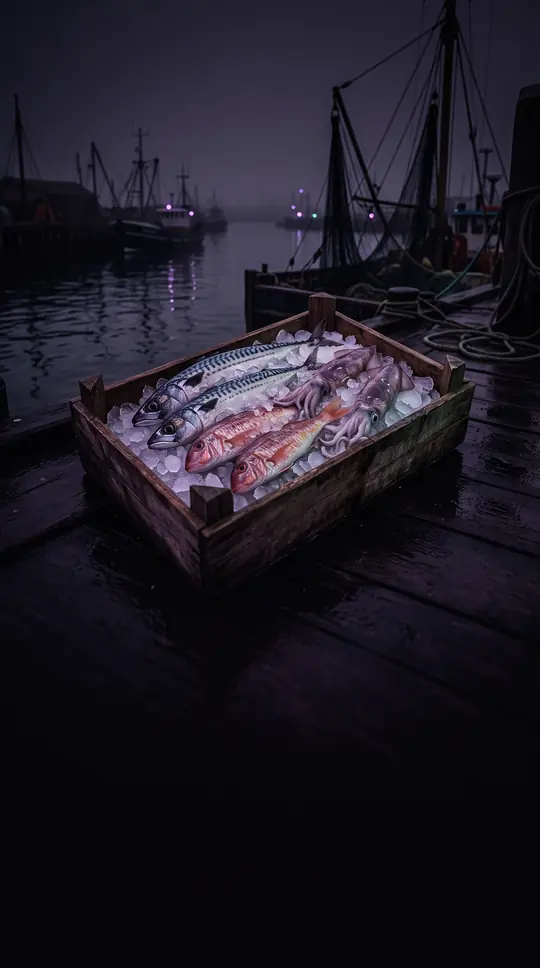 Once burned as fuel for steamboats, the lake sturgeon is now a conservation icon.The lake sturgeon, a prehistoric-looking giant of North American waters, was once so abundant it was treated as a nuisance and burned as cordwood. Today, this long-lived vertebrat…
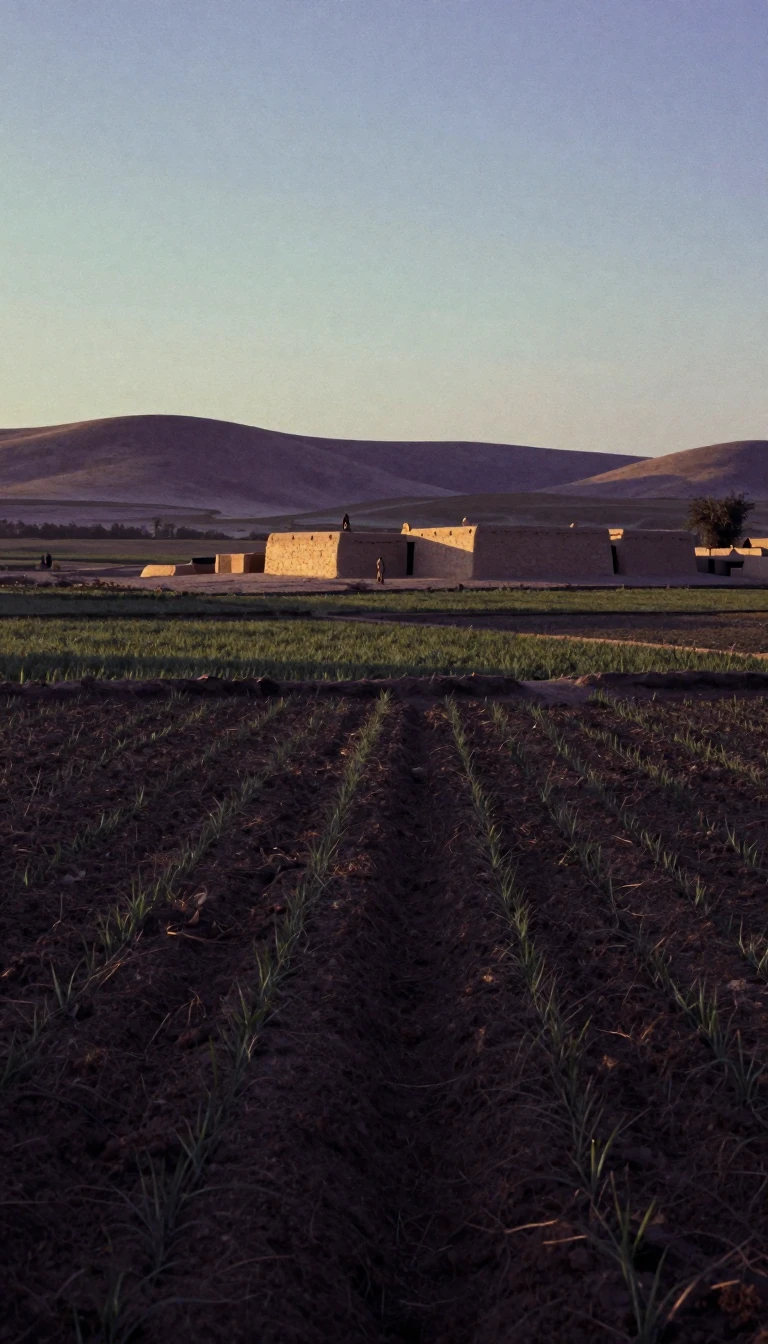 The Latins were not just Romans, but a distinct tribe with a common culture.Long before Rome dominated the Mediterranean, the Latins were a collection of small, independent city-states sharing a unique material culture and religious life. While Rome event…
 The Lodi dynasty fell not just to invaders, but to a lack of gunpowder.Ruling the Delhi Sultanate from 1451 to 1526, the Lodi dynasty was the final power before the Mughal Empire. Despite their initial strength, the Lodis were ultimately undone by in…
 Is the Manchu alphabet a set of letters or a collection of syllables?The Manchu script, born from a 1599 adaptation of Mongolian, remains a linguistic puzzle. While Western scholars treat it as an alphabet, traditional teaching methods in China cla…
 Can a state destroy a federal institution? The Supreme Court case that defined America.In 1819, the Supreme Court faced a constitutional showdown: did Congress have the authority to create a national bank, and could a state tax it out of existence? Chief Justice Joh…
 How a Celtic settlement became the powerhouse capital of the Western Roman EmpireLong before it was a global fashion hub, Milan was Mediolanum, a thriving Celtic center that evolved into a vital Roman stronghold. It served as the imperial capital, a religious …
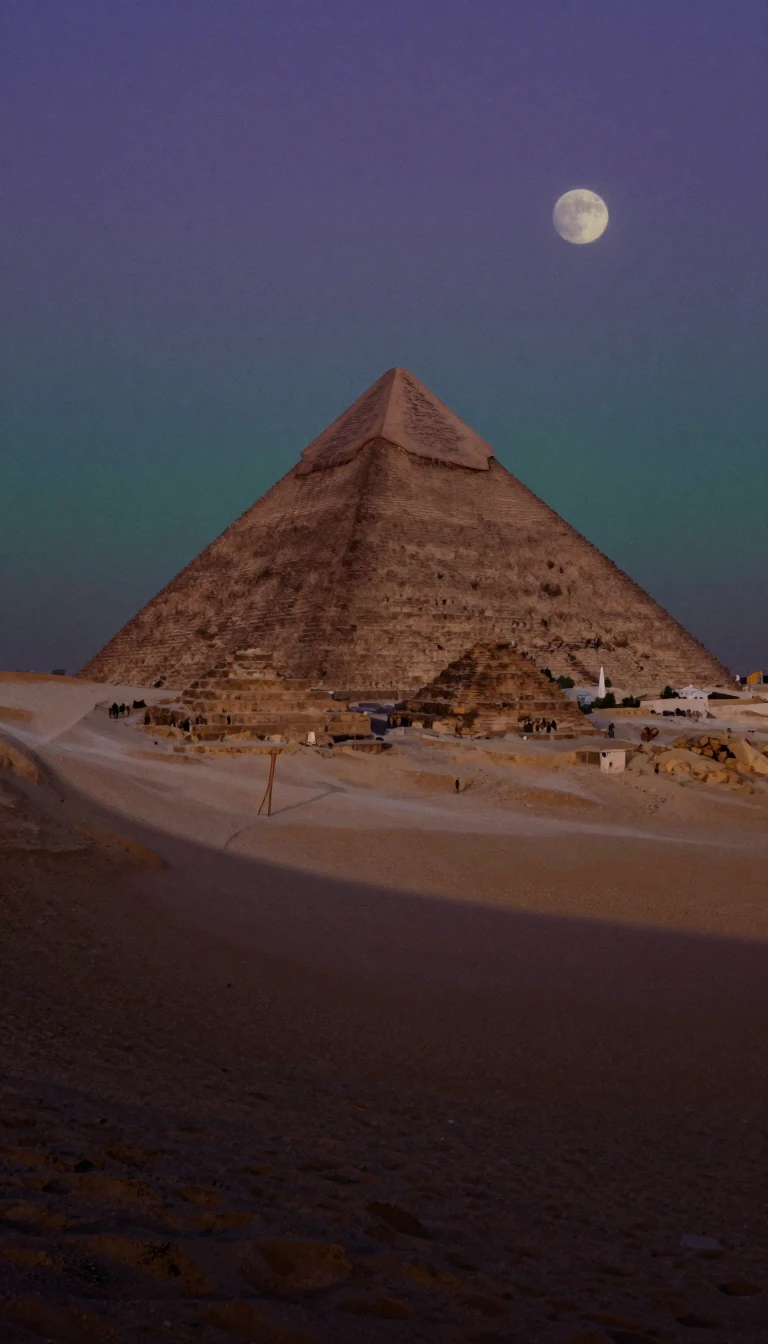 The ancient Egyptian god Min was a symbol of fertility and virility for millennia.Emerging from the predynastic period, the deity Min remains one of the most distinct figures in Egyptian mythology. Often depicted in human form, his iconography is defined by a s…
 India's premier theatre academy once rejected its own status as a deemed university.The National School of Drama in New Delhi is a titan of performing arts, yet it famously campaigned to revoke its own university status. By prioritizing creative flexibility over …
- Can a language be engineered to make independent thought literally impossible for its speakers?George Orwell envisioned a future where the state controls reality by shrinking vocabulary. In his 1949 novel Nineteen Eighty-four, Newspeak is a tool designed to eliminate the po…
 The exiled prince who spent decades preparing for a throne he says he rejectsReza Pahlavi, the eldest son of Iran's last shah, has spent nearly half a century in exile advocating for regime change. While he once declared himself king, he now positions hims…
 From virtual worlds to the Mariana Trench, Richard Garriott defines the modern explorerRichard Garriott is a pioneer of computer role-playing games who transformed his gaming fortune into a career as a private astronaut. Beyond his digital legacy, he has claimed pri…
 The barbarian general who ruled the Western Roman Empire through a series of puppetsRicimer was a Germanic commander who held the real power in the Western Roman Empire for seventeen years. Unable to take the throne himself due to his Arian faith, he installed an…
- The Roman military machine relied on mass-produced gear that was not always high quality.Roman military dominance was built on standardized equipment, but the reality was often far from the myth of superior craftsmanship. Driven by the relentless demands of civil wars…