Ancient Romans ate fish sauce, dormice and fresh figs, but not tomatoes or potatoes
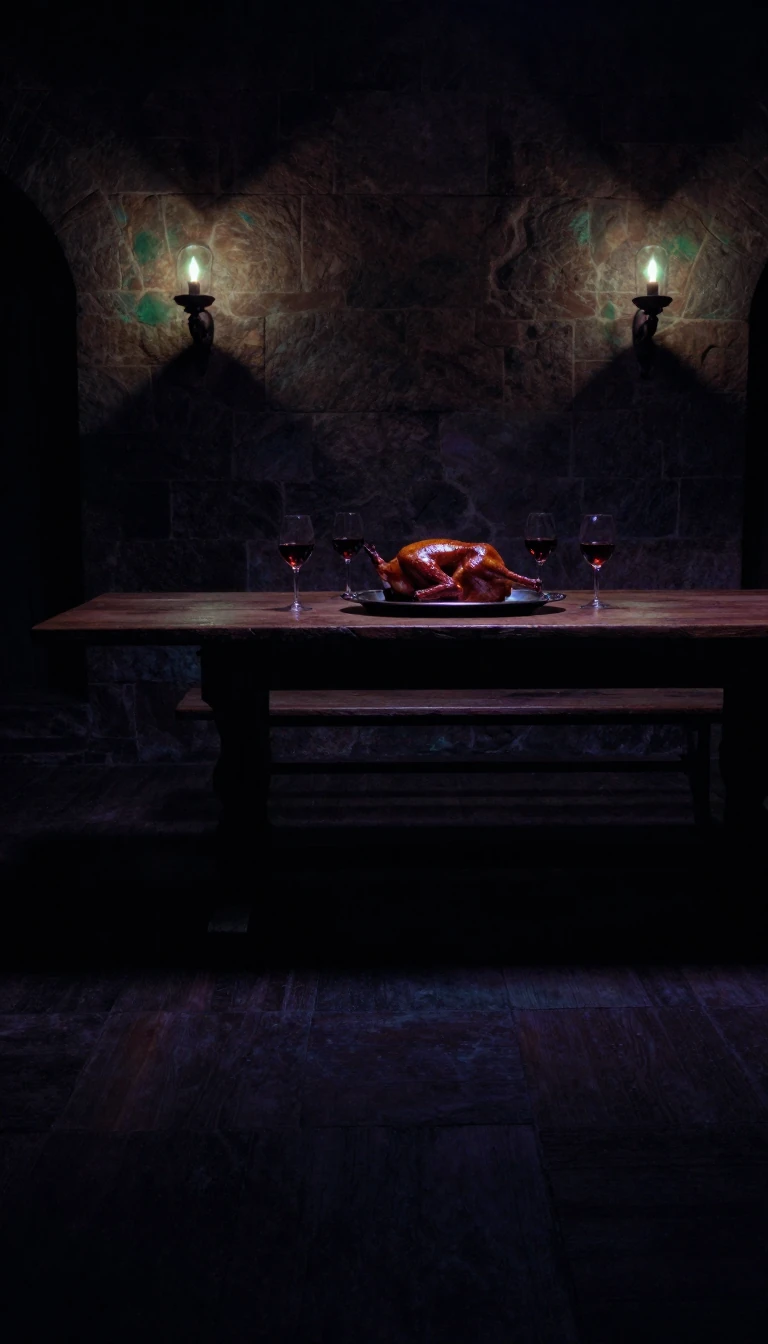
In short: Ancient Roman cooking would look strange today. Garum, a fermented fish sauce, seasoned dishes in place of salt, while dormice were prized delicacies. Tomatoes, potatoes and maize were unknown in Europe until after the New World was discovered, so the Romans never tasted them.
The cuisine of ancient Rome changed a great deal over the civilisation's long life. Dietary habits shifted with the move from kingdom to republic to empire, and trade and conquest exposed Romans to new foods and cooking methods from across their provinces. At first the diet of different social classes was not very different, but gaps widened as the empire grew richer and more unequal. Daily meals also changed. Traditionally a breakfast called ientaculum was eaten at dawn and the main meal, cena, came around midday.
As imported foods became more common, cena grew larger and moved toward evening, while the light supper vesperna disappeared. Among the wealthy, business was finished in the morning, the baths were visited, and cena began around two in the afternoon, sometimes lasting late into the night. Everyday staples reflected what was grown and eaten locally. Early Romans ate puls, a porridge made from emmer wheat, with salt and fat, while later bread was baked from wheat and the quality varied by class.
Fish was more common than meat, and aquaculture included large oyster farms. Butcher's meat was an uncommon luxury, with pork the most popular, while beef was rare. Fruit was eaten fresh in season and dried or preserved for winter, and the Romans knew many vegetables that modern Italian cooking uses. Some archaeological finds show these habits directly. Charred figs survived a fire in Colchester, and remains from the sewers of Herculaneum preserved fish bones and plants such as dill, coriander and lentils. Such evidence is partial, since most organic food decays, so scholars combine it with ancient texts such as the cookbook Apicius, though its dating is uncertain. Overall the evidence paints a diet both familiar and surprisingly foreign.
Opens the Intellect+ feed with this card first. Swipe up for the next one.
Sources
- Summary by Intellect · source: Ancient Roman cuisine
To cite this card, link to https://intellectplus.co.uk/app/history-ancient-roman-cuisine.
How we source, check and correct cards: Editorial standards.
General information, not professional advice. Spotted an error? Flag the card or see corrections and complaints.
Intellect Plus is a visual educational discovery platform for exploring fascinating facts and ideas. Brain Food, Not Brain Rot. What is Intellect Plus?
Related
More in Ancient rome · More in History · Latest · A–Z · All topics
