The ancient Roman obsession with fermented fish sauce was a global culinary phenomenon
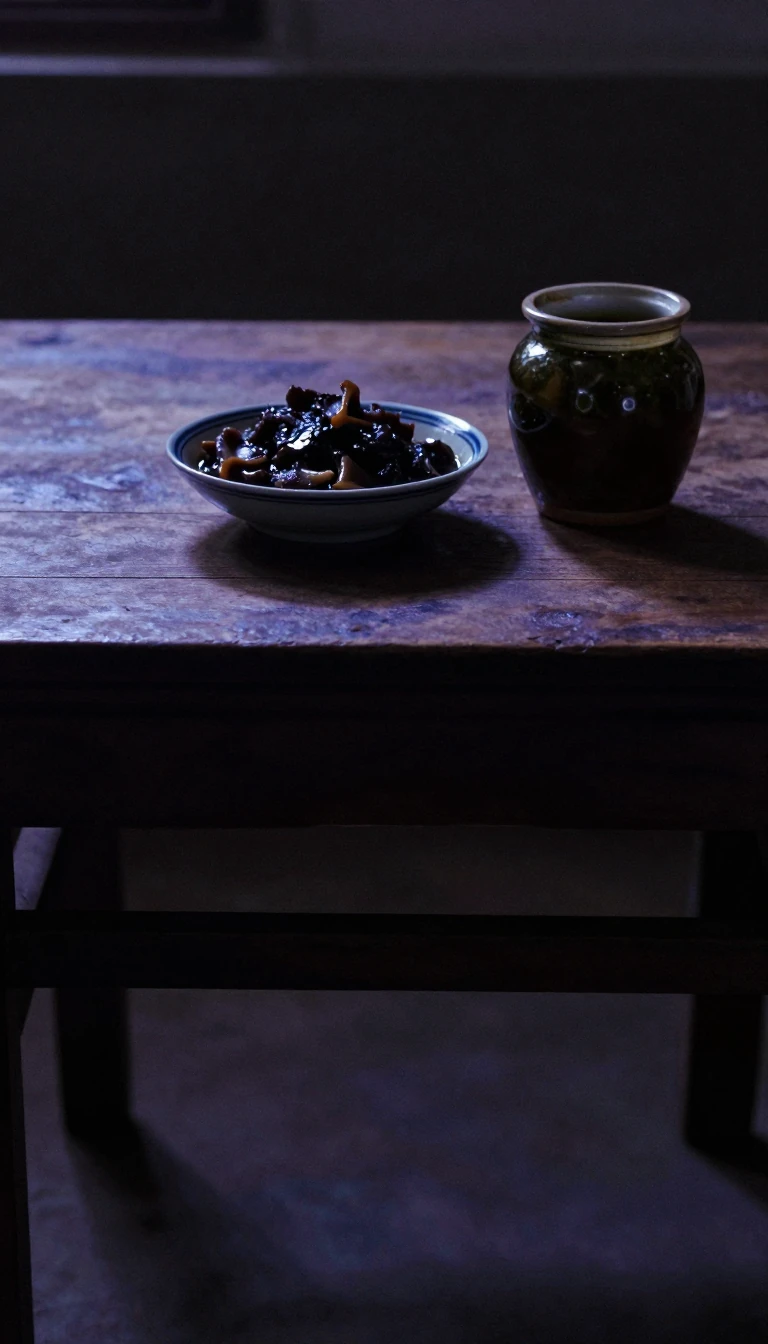
In short: Long before modern chefs rediscovered umami, the Roman Empire thrived on garum. This pungent, fermented fish sauce was a staple across social classes, from the elite tables of Rome to the rations of legionaries. It was a culinary powerhouse, a medicine, and a massive economic engine for coastal Mediterranean ports.
Garum was a fermented fish sauce created by layering fish intestines and small fish—such as anchovies, mackerel, or tuna—with salt. The mixture was left to ferment in the sun, often for about 48 hours under ideal conditions. The resulting liquid was then strained through a basket to produce the prized sauce. The remaining solid byproduct, known as allec, was consumed by the poorest classes to flavor their porridge. While the process was simple, the result was a rich source of glutamates, providing the savory umami flavor that defined much of Roman and Byzantine cuisine.
The production of garum was a significant economic driver, particularly in coastal regions of Hispania Baetica, Lusitania, and North Africa. Factories were often relegated to city outskirts due to the intense, unpleasant odors generated during fermentation. By the time of Augustus, the most prestigious variety, known as garum sociorum, was sourced from Cartagena and Gades. This industry was so vital that it likely influenced Roman expansion into coastal territories. Archaeological evidence, such as the 2019 discovery of a factory near Ashkelon and the 2013 uncovering of Neapolis in Tunisia, continues to reveal the scale of this ancient trade.
Beyond the kitchen, garum held a complex place in Roman life. While it was a culinary staple used in everything from fish stock to pear-and-honey soufflé, it also sparked debate. Critics like Seneca viewed the expensive, fermented concoction with disdain, while others praised its medicinal properties, using it to treat ailments ranging from dog bites to dysentery. Its legacy persists today in modern preparations like the Italian colatura di alici and the French pissalat, proving that the Roman appetite for this salty, fermented liquor left a lasting mark on global food history.
Opens the Intellect+ feed with this card first. Swipe up for the next one.
Sources
- Summary by Intellect · source: Garum
To cite this card, link to https://intellectplus.co.uk/app/food-garum.
How we source, check and correct cards: Editorial standards.
General information, not professional advice. Spotted an error? Flag the card or see corrections and complaints.
Intellect Plus is a visual educational discovery platform for exploring fascinating facts and ideas. Brain Food, Not Brain Rot. What is Intellect Plus?
Related
More in UK & Ireland: food · More in Food & Drink · Latest · A–Z · All topics
