A Swedish engineer's doomed attempt to drift over the North Pole in a balloon.
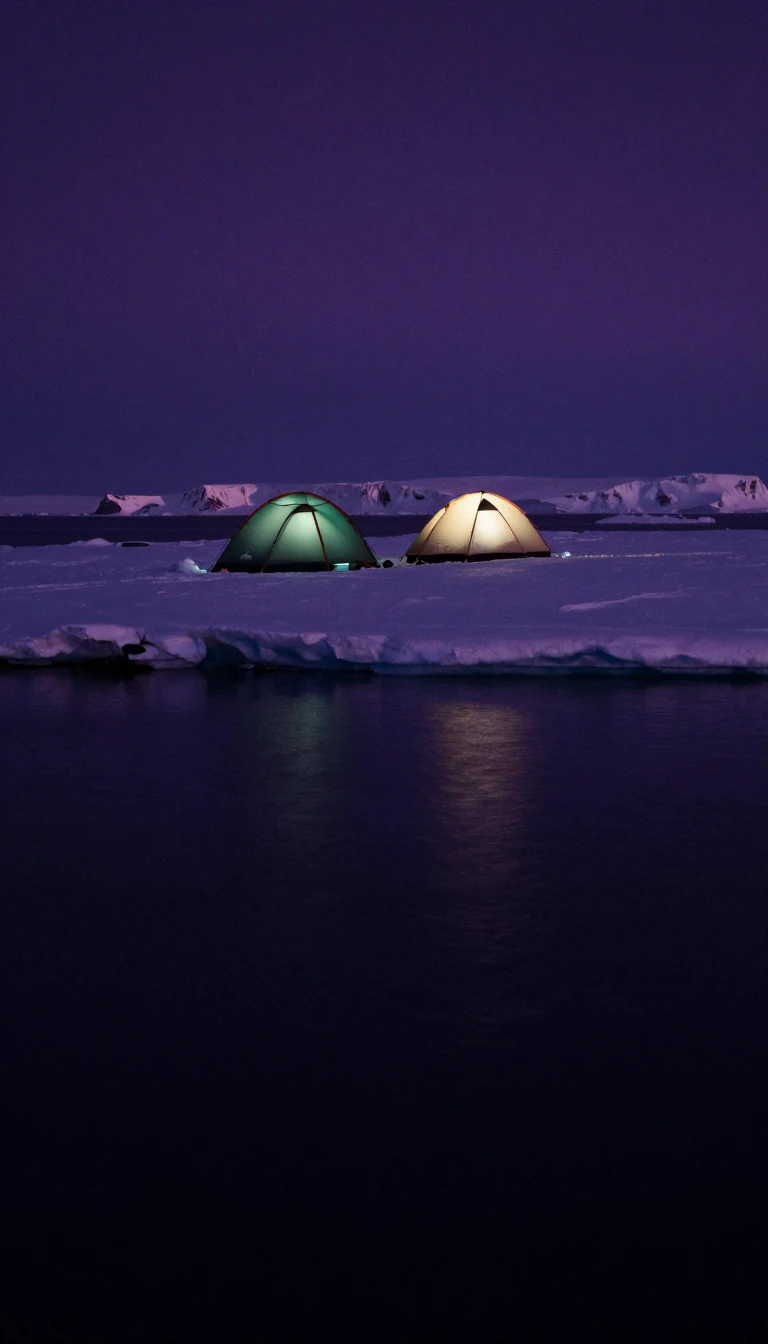
In short: In 1897, S. A. Andrée launched a hydrogen balloon from Svalbard, aiming to conquer the North Pole. Despite warnings from experts and a leaking craft, he pushed forward. The mission ended in a desperate, months-long trek across the Arctic ice, leaving behind a mystery that remained unsolved for 33 years.
Salomon August Andrée, a patent office engineer, proposed a daring Arctic expedition that captured the imagination of a nation eager to prove its technological prowess. His plan relied on a hydrogen balloon, the Örnen, which he claimed could be steered using a system of drag ropes. Despite skepticism from experienced balloonists in France and Germany, Andrée secured funding from figures like King Oscar II and Alfred Nobel, totaling 130,800 kronor—roughly US$1 million today. He dismissed concerns about the balloon's permeability and the harsh Arctic climate, convinced that his ingenuity would overcome the challenges that had thwarted other explorers.
The expedition began on 11 July 1897, but immediately faltered. Upon takeoff, the balloon lost 740 kilograms of essential weight when the drag ropes detached and the crew dumped ballast to avoid hitting the water. Now uncontrollable, the craft drifted for just over two days before crashing onto the pack ice. The three men—Andrée, Knut Frænkel, and Nils Strindberg—were left stranded with inadequate clothing and equipment, having relied on the assumption that they would remain in a comfortable, sedentary balloon basket. Their survival gear, including heavy sleds and food supplies, was poorly suited for the grueling, wet terrain of the drifting ice.
For three months, the men trekked across the ice, documenting their struggle through diaries and Strindberg’s photographs. They eventually reached Kvitøya in October, where they succumbed to the Arctic winter. Their fate remained a mystery until their final camp was discovered in 1930. Modern analysis confirms that Andrée’s reliance on ineffective steering techniques and his refusal to acknowledge the balloon's rapid gas leakage—which his colleague Nils Gustaf Ekholm had accurately identified—doomed the mission from the start. The expedition serves as a stark example of how nationalistic ambition and misplaced faith in technological solutions can blind leaders to the realities of extreme environments.
Opens the Intellect+ feed with this card first. Swipe up for the next one.
Sources
- Summary by Intellect · source: Andrée's Arctic balloon expedition
To cite this card, link to https://intellectplus.co.uk/app/history-andr-e-s-arctic-balloon-expedition.
How we source, check and correct cards: Editorial standards.
General information, not professional advice. Spotted an error? Flag the card or see corrections and complaints.
Intellect Plus is a visual educational discovery platform for exploring fascinating facts and ideas. Brain Food, Not Brain Rot. What is Intellect Plus?
Related
More in Explorers · More in History · Latest · A–Z · All topics
