A Century Later, a Boot on Everest Offers Clues to a Lost Mountaineer
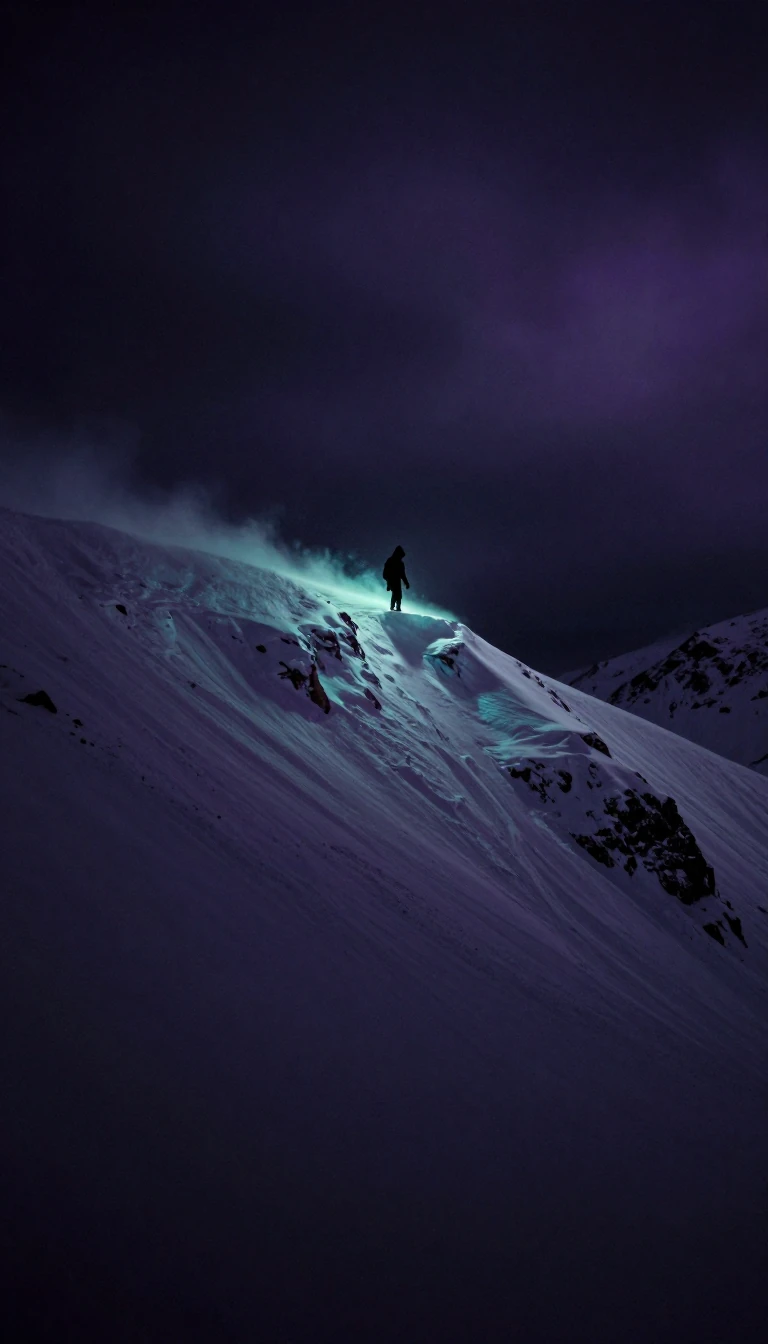
In short: In September 2024, a National Geographic team exploring the Central Rongbuk Glacier discovered a boot containing human remains. Embroidered with the name A.C. Irvine, the find provides the first physical evidence of the fate of Andrew Comyn Irvine, who vanished alongside George Mallory during their 1924 summit attempt.
Andrew Comyn Irvine, known as Sandy, was only 22 years old when he disappeared on Mount Everest. As the youngest member of the 1924 British expedition, he was selected by George Mallory for the final summit push, largely due to his mechanical ingenuity. Irvine had significantly improved the expedition's oxygen equipment, making the complex sets lighter and more functional. His technical skills were so highly regarded that Mallory chose him over more experienced climbers for the fateful ascent.
The pair was last spotted on June 8, 1924, by fellow climber Noel Odell, who observed them moving upward toward the summit. They never returned, sparking a century of speculation regarding whether they had reached the top before perishing. While Mallory’s body was located in 1999, revealing evidence of a fall and a rope connection to his partner, Irvine remained missing. The recent discovery of his boot, which likely melted out of the glacier shortly before being found, offers a new, tangible link to the mystery.
The discovery has brought a sense of closure to Irvine’s family, including his great-niece Julie Summers, who has long championed his legacy. While the remains provide a definitive location for where Irvine ended up, they also reignite interest in the missing Kodak Vest Pocket Camera he was carrying. Historians and climbers have long hoped that if found, the camera might contain undeveloped film that could finally confirm if the duo achieved the first ascent of Everest, 29 years before Tenzing Norgay and Edmund Hillary.
The site where the boot was found, below the north face of the mountain, suggests that the remains may have been transported down by avalanches and crushed by glacial movement. As researchers continue to analyze the find, the climbing community remains captivated by the enduring questions surrounding the 1924 expedition. The discovery serves as a poignant reminder of the risks taken by early explorers and the persistent allure of one of mountaineering’s greatest unsolved puzzles.
Opens the Intellect+ feed with this card first. Swipe up for the next one.
Sources
- Summary by Intellect · source: Remains of Sandy Irvine believed found on Everest after 100 years
- Also: Andrew Irvine | British explorer and mountaineer | Britannica
- Also: Andrew Irvine (mountaineer)
To cite this card, link to https://intellectplus.co.uk/app/history-andrew-irvine-mountaineer.
How we source, check and correct cards: Editorial standards.
General information, not professional advice. Spotted an error? Flag the card or see corrections and complaints.
Intellect Plus is a visual educational discovery platform for exploring fascinating facts and ideas. Brain Food, Not Brain Rot. What is Intellect Plus?
Related
More in Explorers · More in History · Latest · A–Z · All topics
