Who was the mysterious lord of Carthage, the deity equated with Cronus and Saturn?
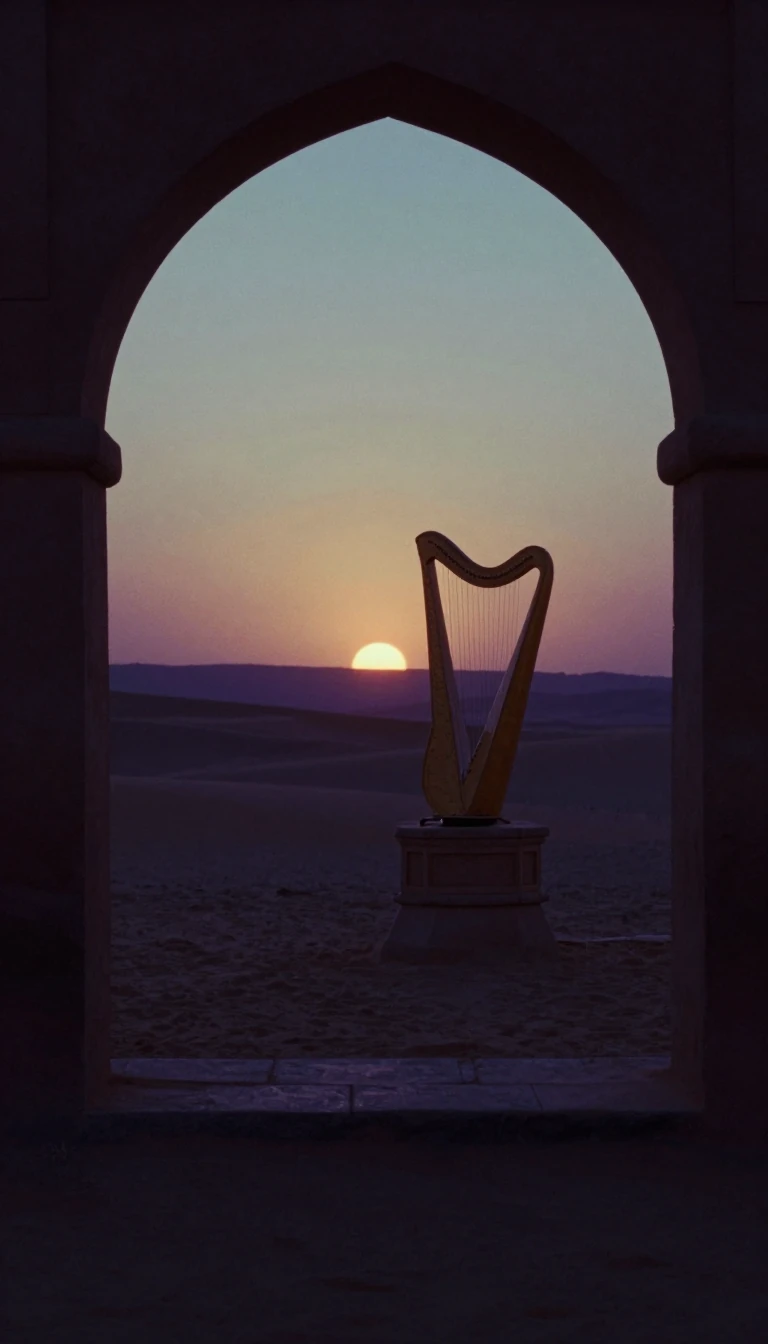
In short: Baal Hammon served as the supreme protector of ancient Carthage, a powerful figure often depicted with ram horns. While he once reigned as the undisputed king of the Carthaginian pantheon, his influence eventually waned as the goddess Tanit rose to prominence, forever altering the religious landscape of the Mediterranean.
Baal Hammon was the chief deity of Carthage, a title that signifies his role as the community’s divine lord. The name itself combines 'Baal,' a common term for a lord or owner in ancient Middle Eastern cultures, with 'Hammon,' which suggests a syncretic connection to the Egyptian and Libyan god Ammon. This association linked him to the famous oracle at the Siwa Oasis, a site deeply revered in the ancient world. Because of these complex cultural overlaps, Greeks identified him with the Titan Cronus, while the Romans later equated him with Saturn.
The god’s iconography frequently featured an older, bearded man adorned with curling ram horns, leading to his alternative title, Baal Qarnaim, or 'Lord of the Two Horns.' His primary sanctuary was an open-air site located at Jebel Boukornine, a hill overlooking the bay of Carthage. While he was initially the dominant figure in the Carthaginian pantheon—a status that solidified after the 8th century BC—the 5th century BC saw the emergence of the goddess Tanit. She eventually became his consort and, in many instances, eclipsed his cult in popularity, often appearing before him on official monuments.
The worship of Baal Hammon remains a subject of intense historical debate, particularly regarding the practice of child sacrifice. Ancient Greek and Roman accounts frequently alleged that the Carthaginians offered children to the god during times of extreme crisis. While some modern scholars initially dismissed these reports as hostile propaganda, the discovery of urns containing cremated infant remains has reignited the discussion. Some researchers argue these findings validate the ancient claims, while others maintain that the sites represent burials for children who died of natural causes, leaving the true nature of these rituals shrouded in mystery.
Beyond his role in Carthage, Baal Hammon’s influence stretched across the western Mediterranean, including colonies in Sicily, Sardinia, and Iberia. His identification with Saturn may have even left a lasting mark on Roman culture, as the intense contact between the two civilizations during the Second Punic War likely shaped the evolution of the Roman festival of Saturnalia.
Opens the Intellect+ feed with this card first. Swipe up for the next one.
Sources
- Summary by Intellect · source: Baal Hammon | Carthaginian deity | Britannica
- Also: Baal Hammon
To cite this card, link to https://intellectplus.co.uk/app/history-baal-hammon.
How we source, check and correct cards: Editorial standards.
General information, not professional advice. Spotted an error? Flag the card or see corrections and complaints.
Intellect Plus is a visual educational discovery platform for exploring fascinating facts and ideas. Brain Food, Not Brain Rot. What is Intellect Plus?
Related
More in Ancient · More in History · Latest · A–Z · All topics
