 Intellect Plus
Ancient
561 cards. Each one is a 40-second story with a five-minute read behind it.
 The Maya mega-cities were far larger than we ever imaginedFor centuries, our understanding of Mayan urbanism was limited by what we could see from the surface. New archaeological techniques are now revealing that these ancient civilizati…
- The world's most extensive early civilization was built on trust, not conquestLong before Rome rose to power, a massive empire flourished across Asia. Unlike its contemporaries in Egypt and Mesopotamia, this sprawling civilization thrived through precision …
 The high cost of cinematic honesty and teenage angstIn 2002, a Tamil film captured the raw, often ugly reality of adolescent alienation. It wasn't just a teen drama; it was a gamble of family savings and a complex negotiation of cr…
 From martial arts titles to a seat in the state cabinetPawan Kalyan didn't just enter the spotlight; he engineered it. After a streak of six consecutive blockbusters that turned him into a cult icon, he traded the silver screen for st…
 The volcanic winter that fractured empires and reshaped human historyIn 536 AD, the sun seemed to dim, and the world plunged into a profound, century-long cooling period. This wasn't just a bad season; it was a climatic shift that triggered societa…
- The fighter jet that redefined China's modern aviation manufacturingIn 1981, China launched a project to build a third-generation fighter that would break from the past. It wasn't just about building a plane; it was about inventing a new way to bu…
- The 1,000-year-old cave where a goddess supposedly hollowed out a homeDeep in the Trikuta Hills of Jammu and Kashmir lies a cave that geological surveys suggest is nearly one million years old. While modern pilgrims flock to it by the millions, the …
 The screenwriter who cast rain as a character in cinemaP. Padmarajan didn't just write scripts; he engineered a new school of Malayalam filmmaking by balancing high-art aesthetics with raw human psychology. From his roots as a radio a…
- The sudden collapse of Artsakh: How a 24-hour offensive ended a decades-long conflict.In September 2023, Azerbaijan launched a decisive military offensive against the breakaway Republic of Artsakh. Within two days, the region’s de facto government surrendered, trig…
 Is this synthetic tryptamine truly indistinguishable from the active compound in magic mushrooms?Discovered in the 1970s, 4-HO-MET is a structural cousin to psilocin that produces strikingly similar psychedelic effects. While some users report a clearer, more functional heads…
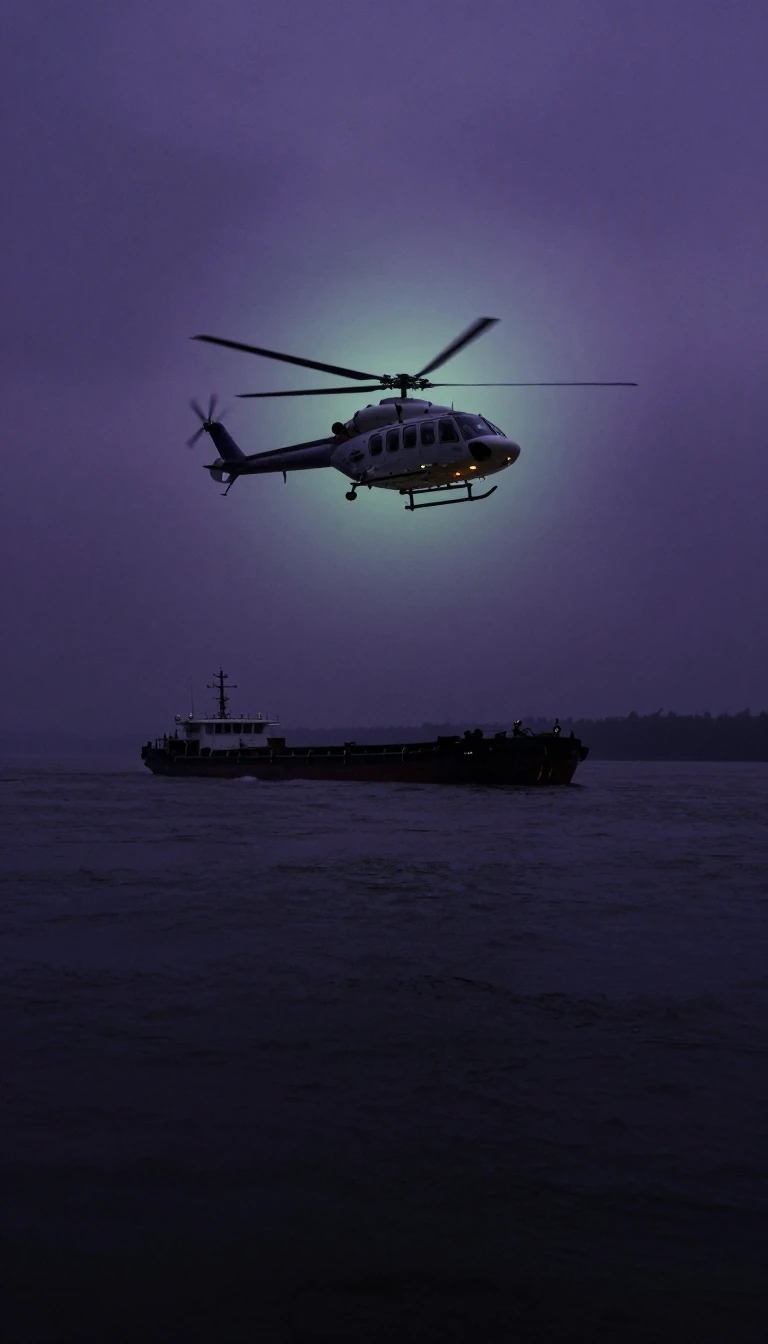 The Aérospatiale SA 330 Puma: A Cold War Workhorse That Defined Modern Helicopter UtilityDeveloped in the 1960s to meet a French Army requirement for an all-weather transport, the Puma became a global success. Known for its rugged reliability from Arctic climates to d…
- A cinematic odyssey through the ruins of a lost Chola dynasty in exileDirector Selvaraghavan’s 2010 epic Aayirathil Oruvan is a genre-bending adventure that blends historical myth with a brutal, modern-day rescue mission. Following a team of archaeo…
 How a dynasty of scholars and caliphs built the world's center of learningThe Abbasid dynasty transformed the Islamic world by shifting its focus eastward and establishing Baghdad as a global hub for science and culture. From their rise in 750 CE to the…
- Is stepping down from a throne a sign of failure or a strategic move?While modern monarchs often step aside due to age, history reveals a more complex spectrum of abdication. From the routine, pampered retirements of ancient Japanese emperors to th…
 The only British sovereign to voluntarily resign the crown for the woman he loved.In 1936, King Edward VIII shocked the world by abdicating the throne after less than a year. His decision to marry Wallis Simpson, an American divorcée, triggered a constitutional…
- Acid attacks are a global scourge designed to disfigure, maim, and socially isolate victims.Acid throwing is a brutal form of violence that aims to destroy lives through permanent disfigurement rather than immediate death. While often associated with gender-based revenge…
- From rapid expansion to legal battles, the volatile history of Nigeria's largest airlineFounded in 2014 by Allen Onyema, Air Peace quickly became West Africa's largest carrier. Yet, its rise has been shadowed by serious safety incidents, international diplomatic disp…
 The Alchon Huns used artificial skull deformation to signal their unique corporate identityBetween the 4th and 6th centuries, the Alchon Huns carved out a powerful empire across Central Asia and India. Distinguished by their elongated skulls and beardless faces, these n…
- How a veteran test pilot rose to lead the Indian Air ForceWith over 5,000 hours in the cockpit and a career spanning four decades, Air Chief Marshal Amar Preet Singh has transitioned from experimental test pilot to the 28th Chief of the …
- The Byzantine Emperor who escaped prison three times before seizing the throne by force.Andronikos I Komnenos was a master of survival, escaping dungeons through secret passages and clever ruses before becoming emperor in 1183. Though he was a ruthless tyrant who pur…
 Did an Egyptian queen once beg a foreign enemy to marry her son?Ankhesenamun, the wife of Tutankhamun, vanished from history after a series of desperate political maneuvers. Following her husband's sudden death, a mysterious letter sent to a H…
 Once a Roman powerhouse, this forgotten city birthed the legend of VeniceFounded in 181 BC as a strategic Roman frontier fortress, Aquileia grew into a bustling metropolitan center of 100,000 people. When Attila the Hun razed the city in 452 AD, its fl…
- From a $700 Volkswagen sale to a global fashion empire, the Armani legacy endures.Founded in 1975 by Giorgio Armani and Sergio Galeotti, the Italian luxury house grew from humble beginnings into a titan of ready-to-wear and couture. While the brand is synonymou…
- From Jamestown to Little Armenia: The centuries-long evolution of the Armenian American diasporaArmenian Americans have built a complex, multi-generational presence in the United States, evolving from isolated 17th-century arrivals into a politically influential community. T…
 From a bedroom hobby to a tech media powerhouse: the story of Ars TechnicaFounded in 1998, Ars Technica evolved from a small, distributed project into a major publication under Condé Nast. Known for its deep-dive technical reporting, the site balances t…
 The tragic, short life of the Egyptian queen who nearly defeated Julius CaesarArsinoe IV, the younger sister of Cleopatra VII, once commanded the Egyptian army and forced Julius Caesar to flee for his life. Despite her military success, she was eventually b…
 Once hailed as a master against exhaustion, is wormwood medicine or a potent poison?Artemisia absinthium, known as wormwood, has a storied past as a medicinal powerhouse and a culinary staple. While medieval Europeans revered it as a cure for all exhaustions, mod…
- How an ancient Chinese grave plant became a modern global malaria treatmentArtemisia annua, or sweet wormwood, has been used in traditional Chinese medicine for millennia. Today, it is the primary source of artemisinin, a breakthrough compound that has r…
- Attica is more than just Athens: a region of extreme climates and economic powerAttica serves as the beating heart of Greece, housing the vast majority of the nation's capital and generating nearly half of its economic output. Beyond the urban sprawl of the A…
 The ANZAC acronym was a logistical shortcut that became a national identityOriginally a cumbersome administrative label for a World War I army corps, the term ANZAC evolved from a simple shorthand for clerks into a profound symbol of Australian and New Z…
- Why the Orthodox Church views administrative independence as a matter of political geographyIn Eastern Orthodox tradition, autocephaly—literally meaning self-headed—grants a church total administrative autonomy. While rooted in ancient Roman provincial structures, this s…
 Who was the mysterious lord of Carthage, the deity equated with Cronus and Saturn?Baal Hammon served as the supreme protector of ancient Carthage, a powerful figure often depicted with ram horns. While he once reigned as the undisputed king of the Carthaginian …
 Why a remote Himalayan town became one of India's most sacred pilgrimage sitesPerched 3,100 meters high in the Garhwal Himalayas, Badrinath is a legendary sanctuary where ancient tradition meets rugged terrain. Named for the jujube tree, this holy site has …
- How a German media giant rebuilt its music empire from the ashes of 2008After selling its stake in a major joint venture, Bertelsmann launched a new music company during the 2008 financial crisis. By merging publishing and label services under one roo…
- The BrahMos missile combines Russian engineering and Indian innovation to dominate supersonic cruise technology.Named for the Brahmaputra and Moskva rivers, the BrahMos is a high-speed cruise missile born from a strategic partnership between India and Russia. Capable of striking from land, …
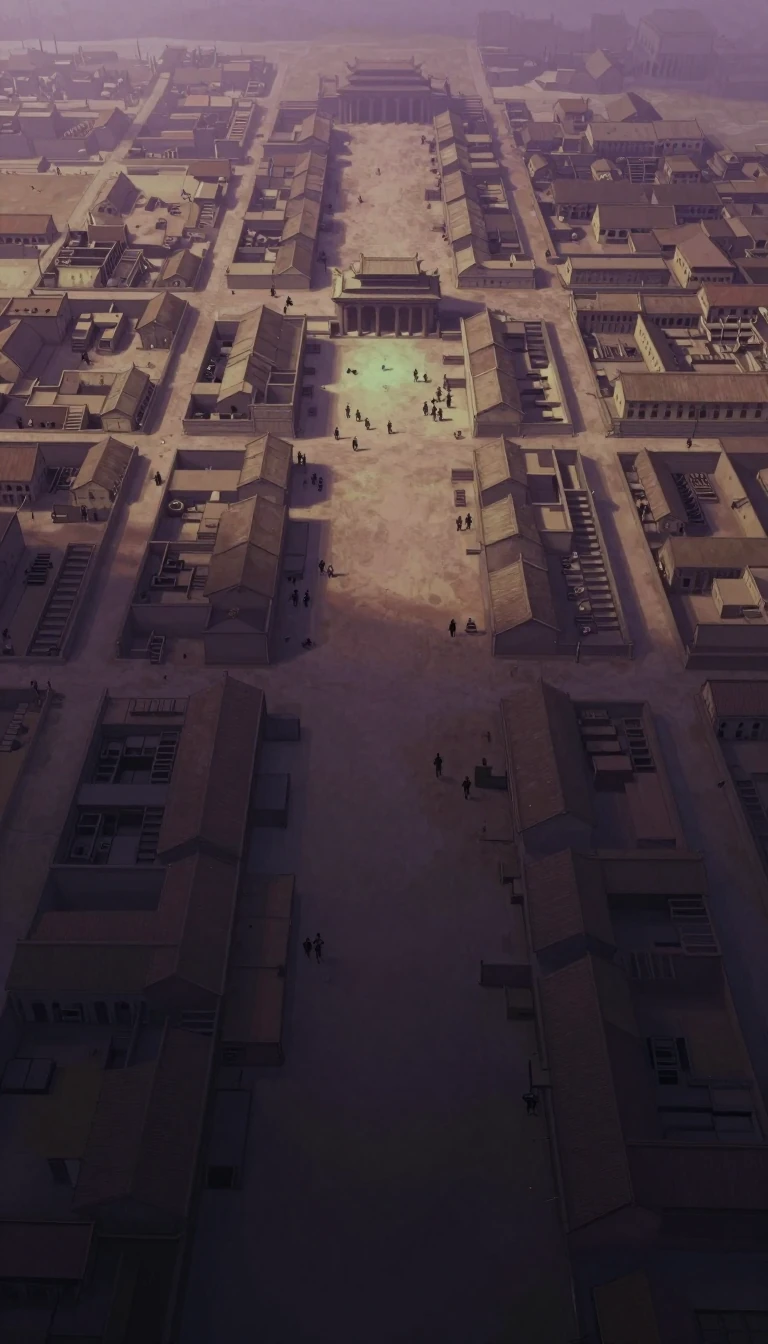 The Field of Mars: How Rome’s military training ground became a political stageOnce a swampy floodplain dedicated to the god of war, the Campus Martius evolved into the heart of ancient Rome. It transformed from a simple mustering field for soldiers into an …
 For a millennium, Greeks lived in secret underground cities beneath the volcanic plains of Cappadocia.In the heart of Anatolia, a resilient Greek community thrived for thousands of years, carving elaborate, multi-level cities deep into volcanic rock to survive centuries of invasio…
 The carrack was the heavy-duty workhorse that enabled the age of global exploration.Before the sleek galleon dominated the seas, the carrack reigned supreme. This massive, deep-hulled vessel was the first to bridge the gap between Mediterranean trade and the open…
- Why the title of chancellor means everything in one country and nothing in another.Across the globe, the title of chancellor is a linguistic chameleon. In some nations, it denotes a powerful chief executive, while in others, it is a purely ceremonial figurehead.…
 The Chess Olympiad: A Century of Global Competition and Controversial Anti-Doping MeasuresThe Chess Olympiad is a biennial international tournament where nations compete for the prestigious Hamilton-Russell Cup. While it has evolved from its unofficial 1924 roots into …
- How a Roman Emperor's private retreat became the gateway to the modern MediterraneanCivitavecchia, meaning Ancient Town, began as an Etruscan settlement before Emperor Trajan transformed it into a vital imperial port. From hosting high-level advisory councils in …
 The toga was not just a garment, but a complex symbol of Roman citizenship.In ancient Rome, clothing was a rigid visual language that instantly broadcasted a person's social rank, citizenship, and moral standing. While the iconic toga served as the ultim…
- Why this gold-standard antipsychotic requires a strict, life-saving monitoring protocol for every patient.Clozapine is the most effective treatment for resistant schizophrenia, yet it carries rare, potentially fatal risks. Because of this, its use is governed by rigid safety systems. …
- How a medieval power struggle created the world's only shared diarchyAndorra is governed by two heads of state: the bishop of Urgell and the president of France. This bizarre arrangement, born from a 13th-century territorial dispute, has survived f…
 How a Munich film studio survived bankruptcy to dominate global and German cinema.Constantin Film has defined German entertainment for over seven decades. From its 1950 origins as a distributor to its rebirth in 1978, the company evolved into a powerhouse behin…
 Can a nation manufacture its own cool to replace the power of its military?Following World War II, Japan was constitutionally barred from using hard military power. To rebuild its global standing, the government pivoted to a strategy of soft power, brand…
 Why did ancient Romans view the Corsicans as more beast than man?The Corsicans are a resilient Mediterranean people with a history defined by isolation, vendettas, and a fierce spirit of independence. From their ancient roots as a tribal societ…
 From smuggling to border patrol, the versatile cutter has defined maritime speed for centuries.The term cutter describes everything from a specific sailing rig to a modern government patrol vessel. Originating in the 18th century as a fast, single-masted hull designed for s…
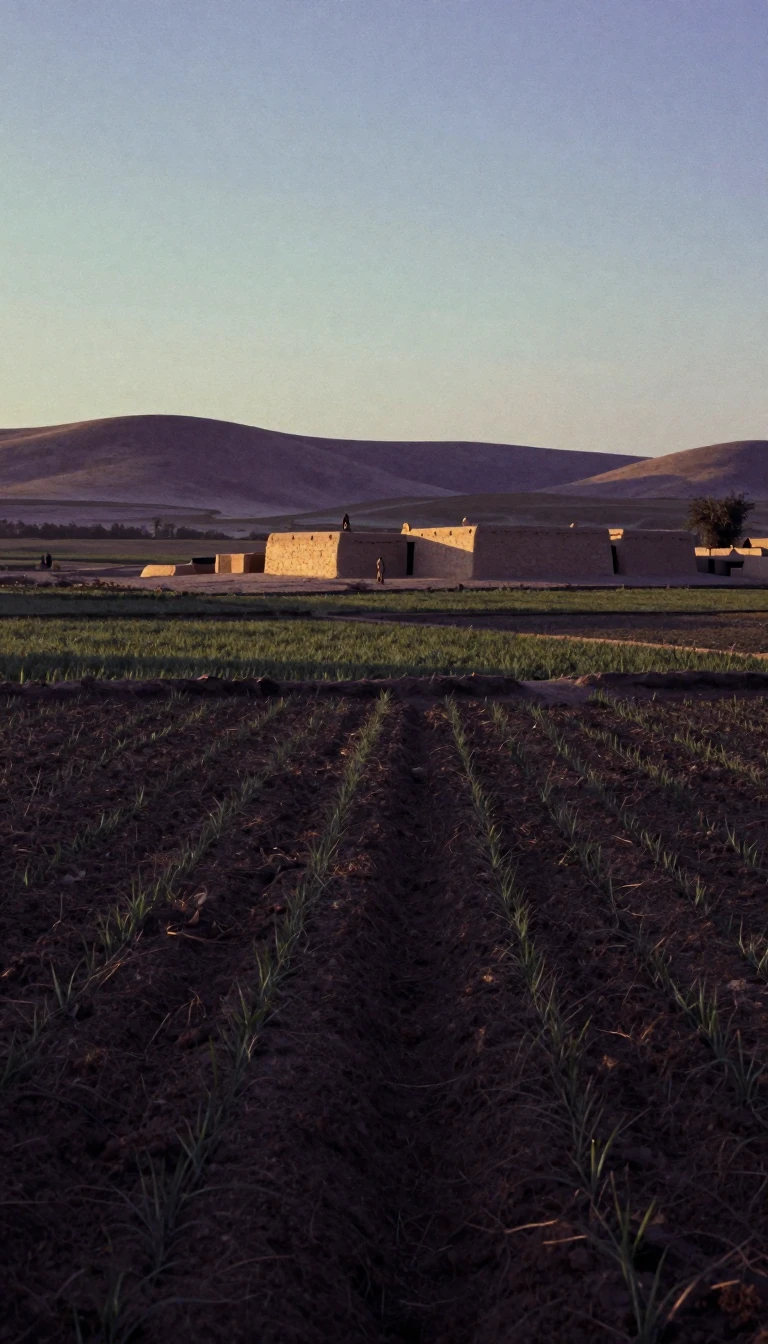 The Mystery of Dacia: Why We May Never Know How an Ancient Language SoundedDacian was once the language of a powerful Carpathian civilization, yet it remains a linguistic ghost. With no surviving texts and only a handful of plant names and toponyms to st…
- Why the act of using a former name is more than just a mistakeDeadnaming is the practice of referring to a transgender person by a name they have rejected. While often dismissed as a minor error, it is frequently viewed as a form of aggressi…
- The Don Cossacks: From Runaway Serfs to Elite Warriors of the Russian EmpireOriginating as a loose collective of free-spirited migrants and runaway serfs, the Don Cossacks evolved into a formidable military force. They defined the Russian frontier for cen…
- Was the legendary sword Durendal a divine weapon or a masterfully crafted myth?Durendal, the legendary blade of the paladin Roland, is celebrated for its indestructible edge and supernatural origins. Yet, across centuries of epic poetry and folklore, its his…
- Why Nepal’s immense hydroelectric potential remains a largely untapped economic engine for the nation.Landlocked and rugged, Nepal faces unique economic hurdles, from limited transportation to a heavy reliance on agricultural imports. Yet, the country sits on a massive, underutili…
- Why Emily Wilson’s translations of Homer are shaking the foundations of classical scholarshipEmily Wilson became the first woman to translate the Odyssey into English verse in 2017. Her work, which emphasizes narrative speed and modern, direct language, has sparked intens…
 From Stone Inscriptions to Satirical Wit: The Evolution of the Ancient EpigramThe epigram began as a simple, functional inscription on votive offerings and funerary monuments in ancient Greece. Over two millennia, it evolved from a solemn verse into a sharp…
- The short-lived European buffer state that nearly hosted the League of NationsBetween 1920 and 1924, the city of Fiume existed as an independent sovereign entity. Caught in a geopolitical tug-of-war between Italy and the Kingdom of Serbs, Croats, and Sloven…
- The Cold War buffer state that never actually functioned as a sovereign nationEstablished after World War II to neutralize territorial friction between Italy and Yugoslavia, the Free Territory of Trieste existed for seven years as a geopolitical anomaly. De…
 How a small radio business became a global giant of television entertainmentFremantle began in 1952 as a modest radio and television operation named after a Western Australian city. Today, it stands as a multinational powerhouse, controlling iconic format…
 A fricative is not a stop: why some sounds hiss while others simply snapFricatives are consonants created by forcing air through a narrow channel, producing audible friction rather than a complete blockage. While stops like 'p' or 't' cut the airflow …
- Were the Getae and the Dacians actually the same people in ancient history?Ancient chroniclers and modern scholars have long debated whether the Getae and Dacians were distinct tribes or a single, unified culture. While some Roman writers used the names …