From Roman Courthouses to Sacred Sanctuaries: The Surprising Evolution of the Basilica
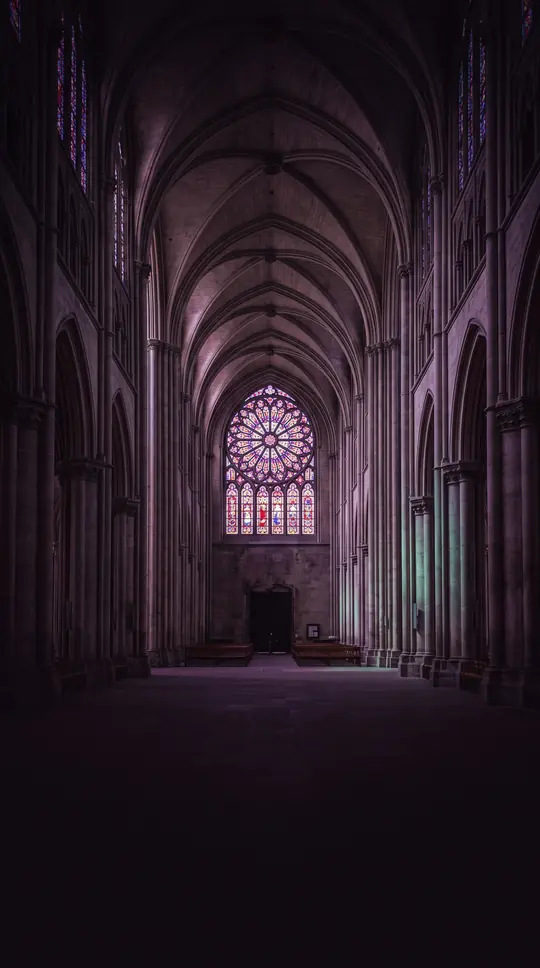
In short: The term basilica once described bustling Roman marketplaces and judicial halls. Today, it denotes a prestigious title of honor for Catholic churches. How did a secular structure designed for legal disputes and commerce transform into one of the most iconic architectural blueprints in the history of Western religious architecture?
In ancient Rome, the basilica was a versatile public building, serving as a courthouse, meeting hall, or covered promenade. These rectangular structures were defined by a central nave flanked by colonnaded aisles and a raised platform, or apse, where magistrates conducted business. By the 1st century BCE, this apse became a standard feature to house judicial officials. While early examples like the Basilica Porcia date to 184 BCE, the form evolved into grander, more monumental spaces under leaders like Julius Caesar, who dedicated the Basilica Julia in 46 BCE.
The transition from secular to sacred began when early Christians adapted these halls for worship, likely because similar designs existed in private homes. Emperor Constantine the Great solidified this shift in the 4th century CE by commissioning massive Christian basilicas in Rome, such as St. Peter’s and St. John Lateran. He introduced the transept—a lateral aisle crossing the nave—which created the cross-shaped floor plan that became the standard for Western European churches throughout the Middle Ages.
Architecturally, the basilica relies on a high central nave that rises above the side aisles, allowing for a clerestory—a wall pierced with windows to illuminate the interior. While the Eastern Church eventually moved toward the radial, domed designs exemplified by the Hagia Sophia, the basilica remained the foundational model for Western church building. Today, the term also functions as a canonical title of honor within Roman Catholicism, granting specific privileges to churches recognized for their antiquity or international significance as centers of worship.
Opens the Intellect+ feed with this card first. Swipe up for the next one.
Sources
- Summary by Intellect · source: Basilica | Roman Catholicism, Church Designation, Ancient Roman Design, & Examples | Britannica
- Also: Basilica
To cite this card, link to https://intellectplus.co.uk/app/history-basilica.
How we source, check and correct cards: Editorial standards.
General information, not professional advice. Spotted an error? Flag the card or see corrections and complaints.
Intellect Plus is a visual educational discovery platform for exploring fascinating facts and ideas. Brain Food, Not Brain Rot. What is Intellect Plus?
Related
More in Post-classical · More in History · Latest · A–Z · All topics
