 Intellect Plus
Post-classical
612 cards. Each one is a 40-second story with a five-minute read behind it.
 Why a rock star might intentionally keep his faith off the stageFor Brian Fallon, the lead singer of the Gaslight Anthem, the line between public art and private belief is strictly drawn. While his solo work is steeped in religious themes, he …
 The actress who turned a personal trauma into a global platformKarla Souza is known for her roles in major American dramas, but her most significant impact may lie in her public advocacy. By speaking out about a harrowing assault she suffered…
 The evolution of the 'Scream King' from victim to iconIn horror cinema, the 'Scream King' is more than a label for a scared actor. It marks a deliberate shift in genre dynamics, moving away from men as mere monsters to be fought by w…
 The town that grew by 80 percent in a single generationWellesley, Massachusetts, is often viewed as a portrait of modern affluence, but its rapid transformation began with a bold act of secession. From a rural outpost of Dedham to a p…
 The Roman commander who may have inspired King ArthurWas King Arthur a real man or a mythic construction? While mainstream historians dismiss the link, a 2nd-century Roman commander named Lucius Artorius Castus remains at the center…
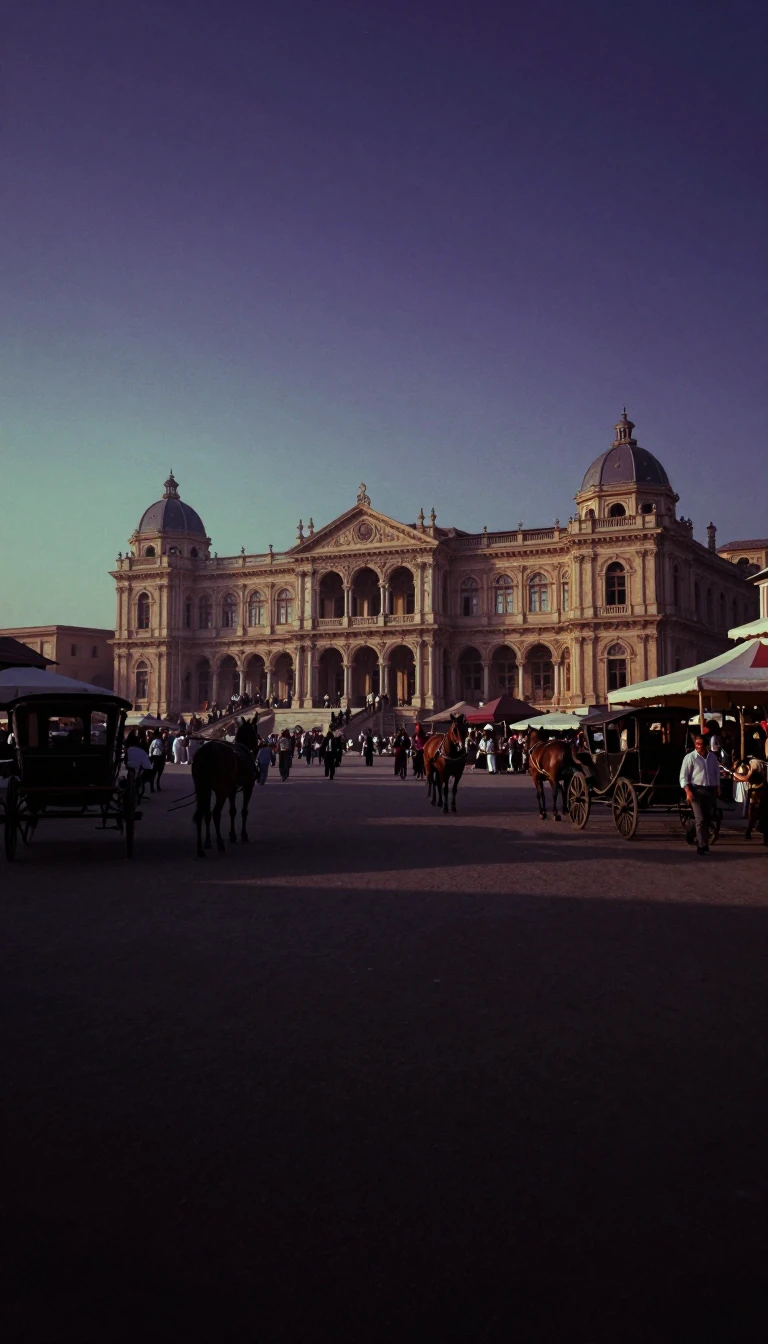 A 19th-century monument became a canvas for a century of protestThe equestrian statue of the Duke of Wellington in Glasgow is one of the world's most bizarre landmarks. A traffic cone has typically topped the monument since the 1980s, transfor…
 The smith who forged Japan's most legendary bladesIn an era of impure steel, one blacksmith mastered the art of the blade so perfectly that his work remains the gold standard of Japanese smithing. Masamune didn't just make weapon…
 The bookkeeper who lived a life of splendor on fraudRuth Madoff was the silent partner in one of history's largest financial crimes. While her husband Bernie faced the public spotlight, Ruth managed the books and lived in luxury, o…
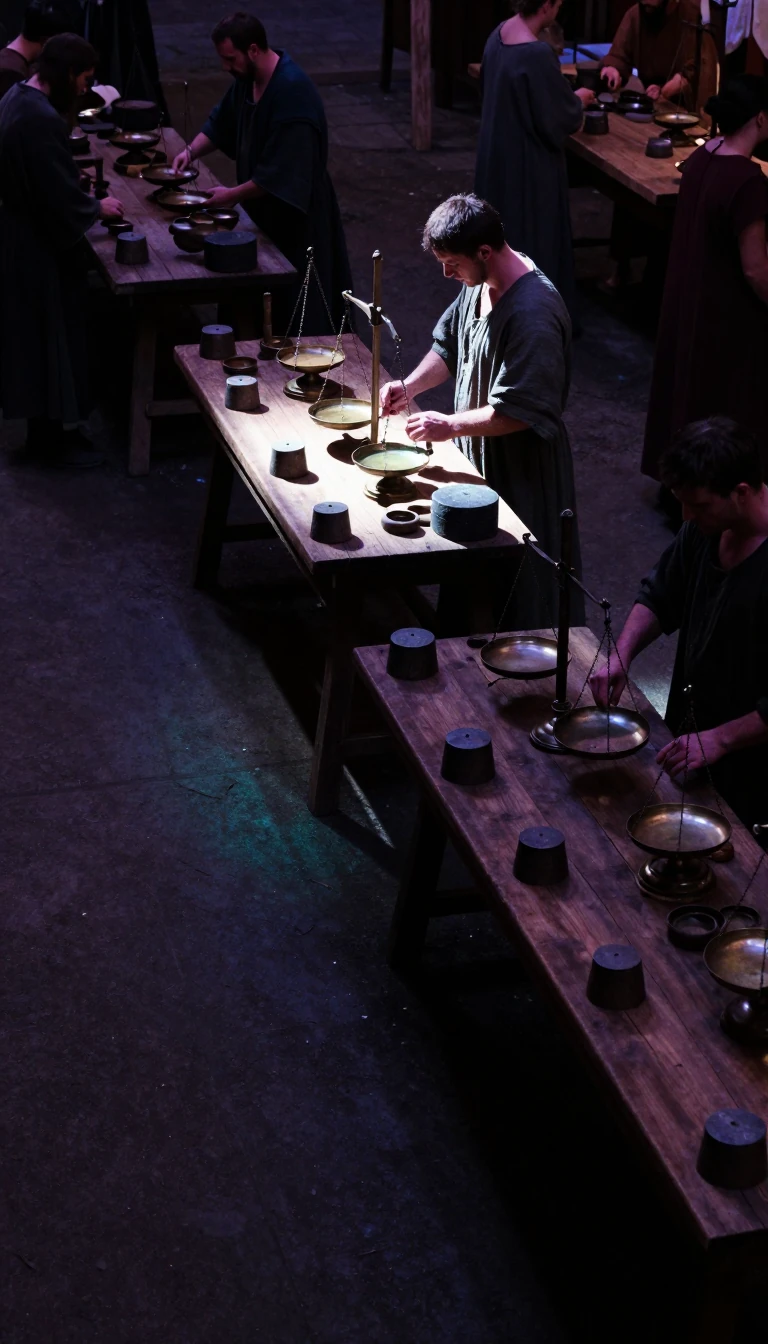 The English monopoly that turned human lives into a corporate commodityIn 1660, a group of London merchants and the House of Stuart established a company to hunt for gold. Yet, this enterprise soon became the most prolific engine of the transatlantic…
 The conquest of Spain was an inside jobThe Islamic conquest of the Iberian Peninsula wasn't just an external invasion; it was fueled by internal collapse. Exploiting a fractured Visigothic kingdom, Muslim forces moved …
 The expanding tree of a legendary kingKing Arthur’s family tree didn't just grow; it mutated. From humble Welsh roots to the sprawling genealogies of French romance, Arthur’s kin were constantly rewritten to serve new…
 The visual architect of Roald Dahl’s wicked, whimsical worldsHow do you illustrate 'wicked humor' and 'gruesome violence' for children without losing the magic? Quentin Blake became the definitive visual voice for Roald Dahl, translating st…
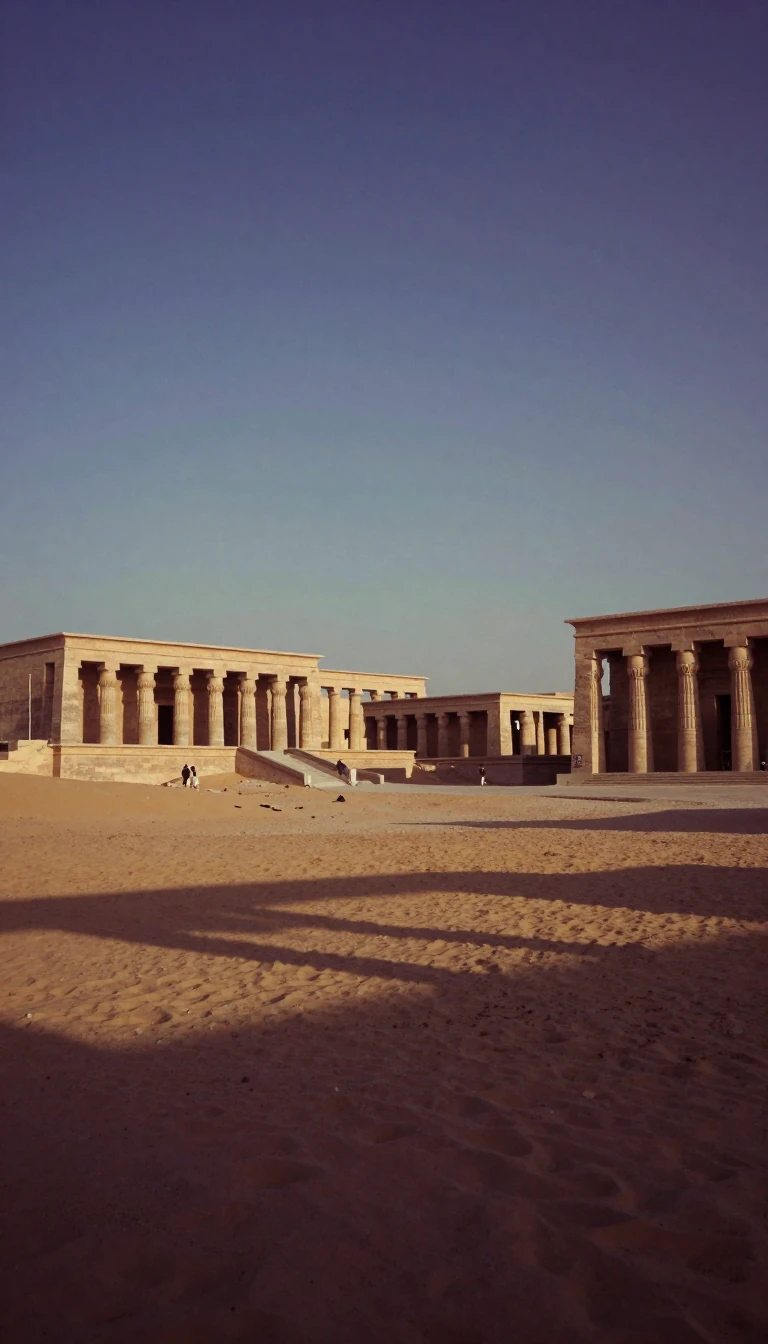 Akhenaten built a desert capital in five years, only to have it abandoned shortly after.In 1346 BC, Pharaoh Akhenaten founded Akhetaten, a sprawling city dedicated to the sun god Aten. Built hastily from mudbrick, this short-lived capital served as the center of a ra…
 Why science has yet to find a way to switch off gravityAnti-gravity remains a staple of science fiction, yet it defies our current understanding of physics. While researchers have spent decades testing everything from high-voltage cap…
- The Apostolic Fathers: The bridge between the Apostles and the developed early churchThese Greek Christian writers, active in the late 1st and early 2nd centuries, left behind the most vital historical records of Christianity following the Apostles. Though their w…
 Is the legendary Isle of Avalon a real place or a medieval marketing ploy?Avalon, the mystical island where King Arthur was taken to recover from his final battle, has captivated imaginations for centuries. While often identified with the marshy landsca…
 How Axis infighting and brutal occupation turned Greece into a landscape of famine and resistanceWhen Nazi Germany invaded Greece in 1941, it never intended to stay. Yet, a chaotic three-way occupation by Germany, Italy, and Bulgaria triggered a humanitarian catastrophe. As t…
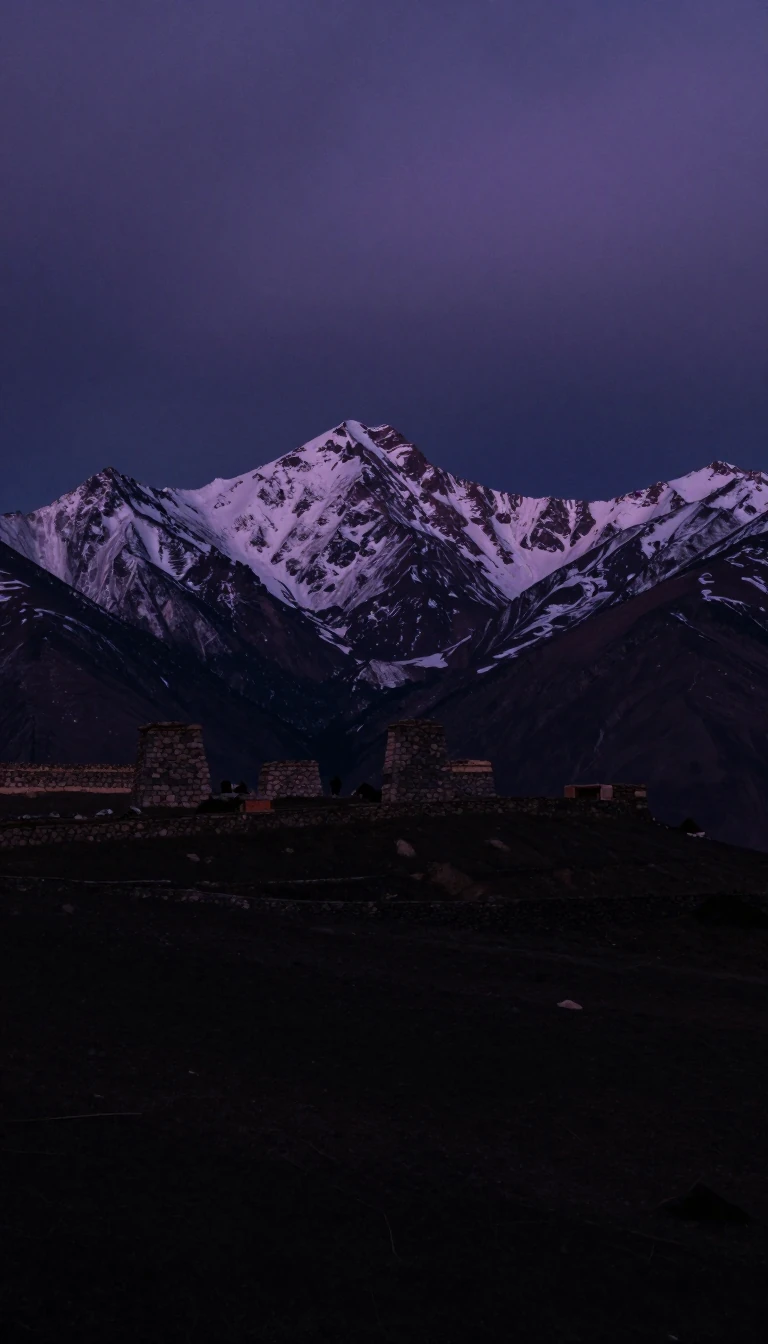 How two castles and a ruthless warlord defined Japan's path to modern statehoodThe Azuchi-Momoyama period was a brief, transformative era that ended centuries of feudal chaos. Led by Oda Nobunaga and his successor Toyotomi Hideyoshi, this period saw the dism…
 Was the legendary founder of Wessex actually a Roman-era British noble?Cerdic of Wessex is traditionally hailed as the Germanic conqueror who established a royal dynasty. Yet, scholars increasingly suggest he was a native Briton, potentially a local …
 From Roman Court Ushers to Modern Heads of State: The Evolution of the ChancellorThe title of chancellor has traveled through millennia, evolving from humble Roman court ushers guarding lattice screens to the leaders of modern nations. While the term now signi…
 Why the close back unrounded vowel is a linguistic outlier in human speechThe close back unrounded vowel, represented by the symbol ɯ, is a rare phonetic sound where the tongue sits high and back in the mouth without lip rounding. While most back vowels…
 How a small German town became the secret engine of Europe's royal dynastiesCoburg was once a quiet backwater, but strategic marriages transformed its ducal family into the architects of modern European royalty. By the early 20th century, this Bavarian ci…
 The turbulent history of the Crimean Tatar language, from Golden Horde to modern survivalTracing its roots to the 13th-century Golden Horde, the Crimean Tatar language has survived centuries of political upheaval, displacement, and suppression. Once a prestigious lite…
 The Ōdachi: Why Samurai Wielded Massive Swords That Were Often Impossible to Draw AloneThe ōdachi was a gargantuan Japanese sword, sometimes reaching over four meters in length. Too cumbersome to draw from the waist, these blades required specialized carriers or ser…
 The three rigorous stages of becoming a fully committed Eastern Orthodox monasticIn the Eastern Orthodox Church, the path to monasticism is a slow, deliberate ascent through three distinct degrees. Unlike Western traditions, this process is standardized across…
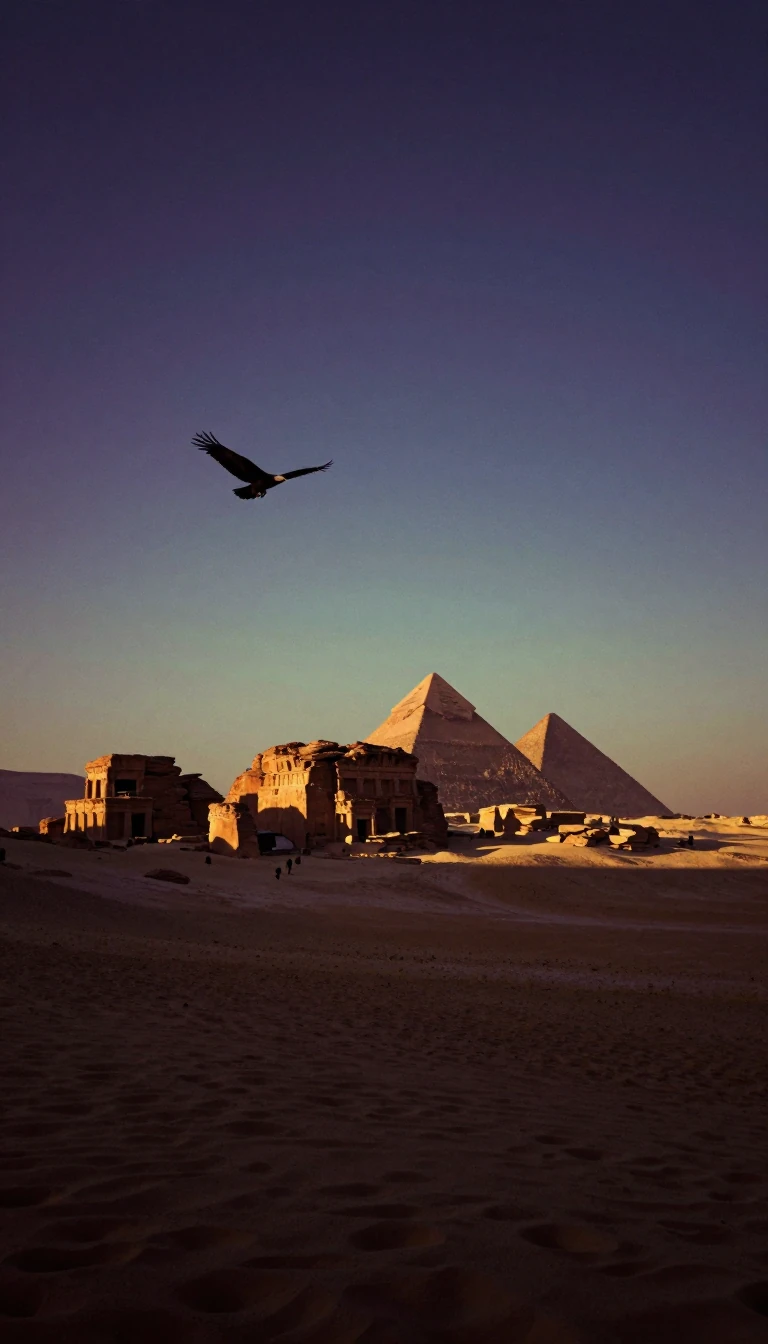 How Egypt’s military evolved from a colonial garrison into a state-shaping economic titan.The Egyptian Armed Forces are more than a defense force; they are a central pillar of the nation’s politics and economy. From their 19th-century origins under Muhammad Ali to thei…
- How Egypt’s modern army evolved from a brutal 19th-century experiment into a regional powerThe Egyptian Army was forged through radical 19th-century social engineering. Muhammad Ali Pasha transformed local farmers into a disciplined, isolated force by replacing traditio…
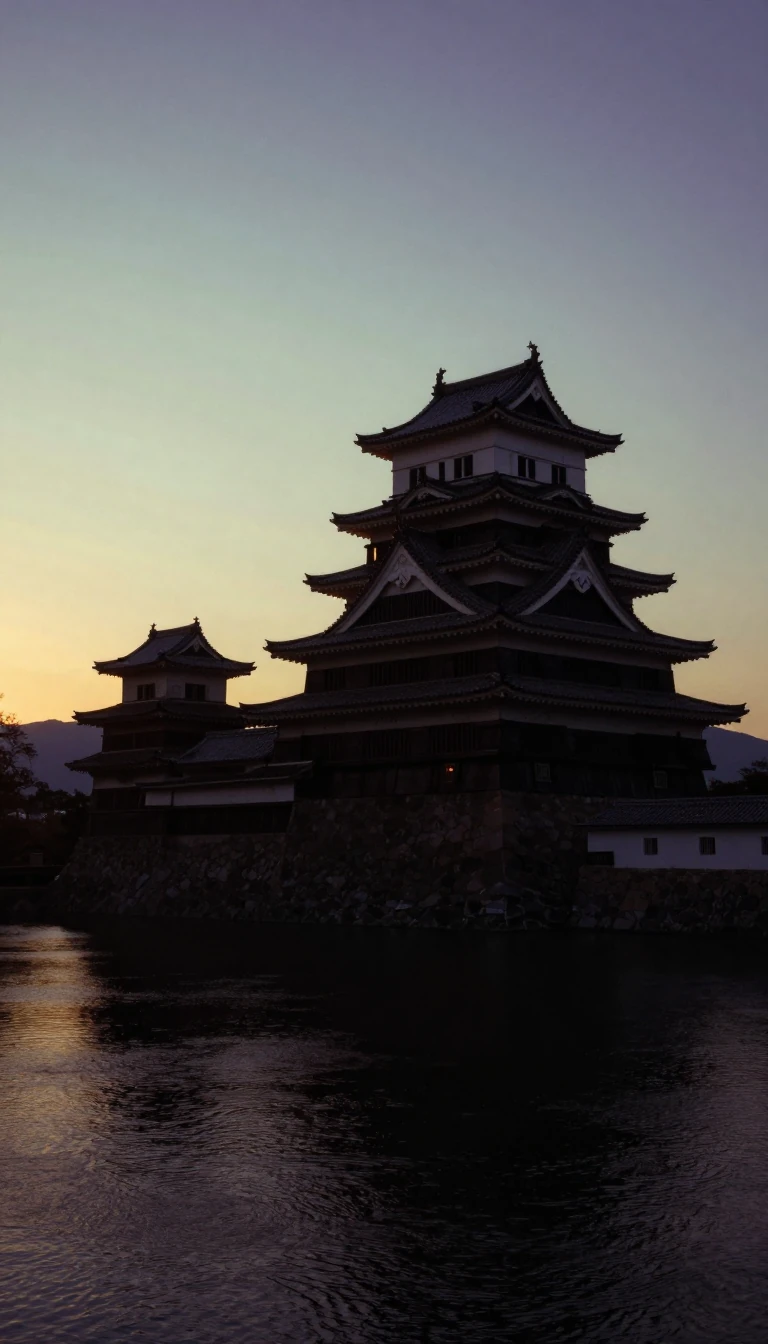 The Emishi were not just barbarians; they were the masters of early Japanese warfare.Long dismissed by imperial records as hairy savages, the Emishi of northern Honshu were actually sophisticated horse archers who held the Yamato state at bay for centuries. Their …
 Why did nations once allow foreigners to live under their own home laws?Extraterritoriality is the legal doctrine where individuals remain subject to their home nation's laws while abroad. Historically, this emerged because states claimed sovereignty …
 Francis Schaeffer: The Theologian Who Mobilized the Christian Right to Challenge Secular CultureFrancis Schaeffer was a Presbyterian pastor who transformed evangelical politics in the 1970s and 1980s. By arguing that secular humanism threatened Western civilization, he inspi…
 Full communion is the ultimate handshake between Christian churches, but definitions vary wildly.In the Christian world, full communion is more than just a friendly relationship. It is a formal recognition that allows churches to share sacraments and clergy. Yet, whether this…
- How a tiny Caucasian kingdom forged a national identity through its ancient church.The Georgian Orthodox Church is one of the world's oldest, claiming apostolic roots from the first century. Yet, its path to becoming a national institution was anything but linea…
 Hellenization was never just about language; it was a complex, centuries-long cultural transformation.From the ancient Mediterranean to the modern era, Hellenization describes the adoption of Greek culture, identity, and religion by non-Greeks. While often associated with Alexande…
 Is King Arthur a historical figure or merely a product of medieval imagination?The legend of King Arthur is a cornerstone of British myth, yet modern scholars increasingly view him as a folkloric invention. While earlier generations of historians debated his…
 How the Indian Union Muslim League redefined political identity within a secular democracyFollowing the 1947 Partition, the Indian Union Muslim League emerged as a unique political force. Unlike other movements that retreated into isolation, it integrated itself into t…
 Why Japanese swords were stored in plain wooden scabbards instead of ornate mountsThe iconic samurai sword is often seen in ornate koshirae, but these elaborate fittings were actually harmful to the blade over time. To preserve the steel, owners relied on the s…
 How a Princely State’s 1881 Representative Assembly Evolved into Modern Karnataka’s Legislative PowerhouseLong before India’s independence, the Kingdom of Mysore pioneered democratic representation in princely India. Today, that legacy lives on as the Karnataka Legislative Assembly, a…
 How the Kerala Legislative Assembly evolved from regional roots to a modern democratic powerhouseThe Kerala Legislative Assembly, or Niyamasabha, serves as the primary law-making body for one of India's most distinct states. Formed through the merger of diverse historical reg…
 Why the Japanese longbow is an asymmetrical masterpiece of martial and meditative art.Kyūdō, the Japanese martial art of archery, uses a unique asymmetrical bow exceeding two meters in length. Far from a simple weapon, it evolved from feudal samurai combat into a d…
 Can a diet based on ancient balance principles actually be a public health hazard?Macrobiotics promises health through the Zen-inspired balancing of yin and yang. Yet, this restrictive regime, which prioritizes whole grains and limits fluids, has faced intense …
 How Germany's dominant liberal party sacrificed its principles for the sake of national unityThe National Liberal Party was the powerhouse of the German Empire, yet it famously compromised its core values to appease Otto von Bismarck. By prioritizing national unification …
- How a medieval nomadic tribe inspired a modern Russian machine gun's cooling systemThe PKP Pecheneg is a Russian general-purpose machine gun named after a warlike Turkic tribe. Beyond its historical moniker, it features a unique forced-air cooling system that al…
 How a satirical cartoonist turned regional resentment into a powerful Indian political dynastyFounded in 1966 by Bal Thackeray, Shiv Sena began as a nativist movement to protect middle-class jobs for Maharashtrians in Mumbai. Over decades, it evolved from an anti-migrant p…
 Who are the Siberian Tatars, the indigenous people often hidden by census data?Siberian Tatars are the indigenous Turkic-speaking inhabitants of Western Siberia, distinct from the more recent Volga Tatar immigrants. Though they have lived in the region for c…
- Why did the most powerful religious order in Europe face total global suppression?In the 18th century, the Society of Jesus was dismantled by the very institution it served. Caught between absolute monarchs seeking total control and a rising tide of anticlerica…
 Why Emanuel Swedenborg’s 18th-century theology rejected the traditional Trinity for a singular divine human.Emanuel Swedenborg, an 18th-century Swedish polymath, argued that Christianity had lost its spiritual essence, descending into a hollow, external faith. He proposed a radical path…
 The Japanese tantō was a lethal samurai weapon, not the tactical knife you know.The tantō is a historic Japanese dagger that evolved from a battlefield essential to a ritual object. While modern Western tactical knives often bear the name, they lack the tradi…
 How a controversial doctor became the Reich Master of Injections for Adolf HitlerTheodor Morell, a physician known for unconventional methods, rose from a fashionable Berlin practice to become Hitler’s personal doctor. By administering a cocktail of over 70 su…
 Turanism: The 19th-century quest to unite Eurasia through a shared, mythical linguistic pastTuranism emerged as a pan-nationalist movement claiming that Turkic, Mongolic, and Uralic peoples shared a common origin in Central Asia. By proposing a vast Ural-Altaic family, s…
 Why is the number twelve so deeply embedded in our systems of measurement?Twelve is more than just a number; it is a mathematical powerhouse that has shaped human history. From the ancient duodecimal systems of Mesopotamia to the structure of the Wester…
- Anne of Brittany was the only woman to serve as Queen of France twice.As the sovereign Duchess of Brittany, Anne spent her life maneuvering between European powers to protect her duchy's independence. Though she was twice crowned Queen of France, sh…
 From Greek Colony to Napoleonic Rejection: The Turbulent History of AntibesFounded as a Greek trading post called Antipolis, this French Riviera city has survived centuries of pirate raids, imperial sieges, and shifting political allegiances. Once a vita…
 The Duke of Wellington's son lived in the shadow of a legendary fatherArthur Wellesley, the 2nd Duke of Wellington, spent his life navigating the immense legacy of his father, the victor of Waterloo. While he pursued a career in politics and the mil…
 Austria-Hungary tried to invent a new national identity to stabilize its Bosnian colony.When Austria-Hungary took control of Bosnia and Herzegovina in 1878, it faced a fractured landscape of competing ethnic loyalties. To counter the rising tide of Serbian and Croati…
 Is the film director truly the author, or just one part of a team?The auteur theory posits that a director is the primary creative force behind a film, much like a novelist. Yet, critics argue this ignores the essential contributions of screenwr…
 How a simple ship-to-ship radio signal became the world's global maritime tracking networkOriginally designed as a short-range collision avoidance tool, the Automatic Identification System (AIS) has evolved into a global surveillance network. By broadcasting identity, …
- From Roman outpost to Burgundian jewel: the enduring evolution of AuxerrePerched on the Yonne river, Auxerre has transformed from a vital Gallo-Roman crossroads into a center of art and history. While its ancient roots are still being unearthed today, …
 The Lost Language of the Kushan Empire Used Greek Letters to Record Iranian SpeechBactrian was once the official language of the powerful Kushan and Hephthalite empires in Central Asia. Though it belonged to the Iranian language family, it was uniquely written …
 Why does a cathedral in Barcelona keep thirteen white geese in its cloister?The Cathedral of the Holy Cross and Saint Eulalia is a masterpiece of Catalan Gothic architecture, but its most curious feature lies in the cloister. Thirteen white geese roam the…
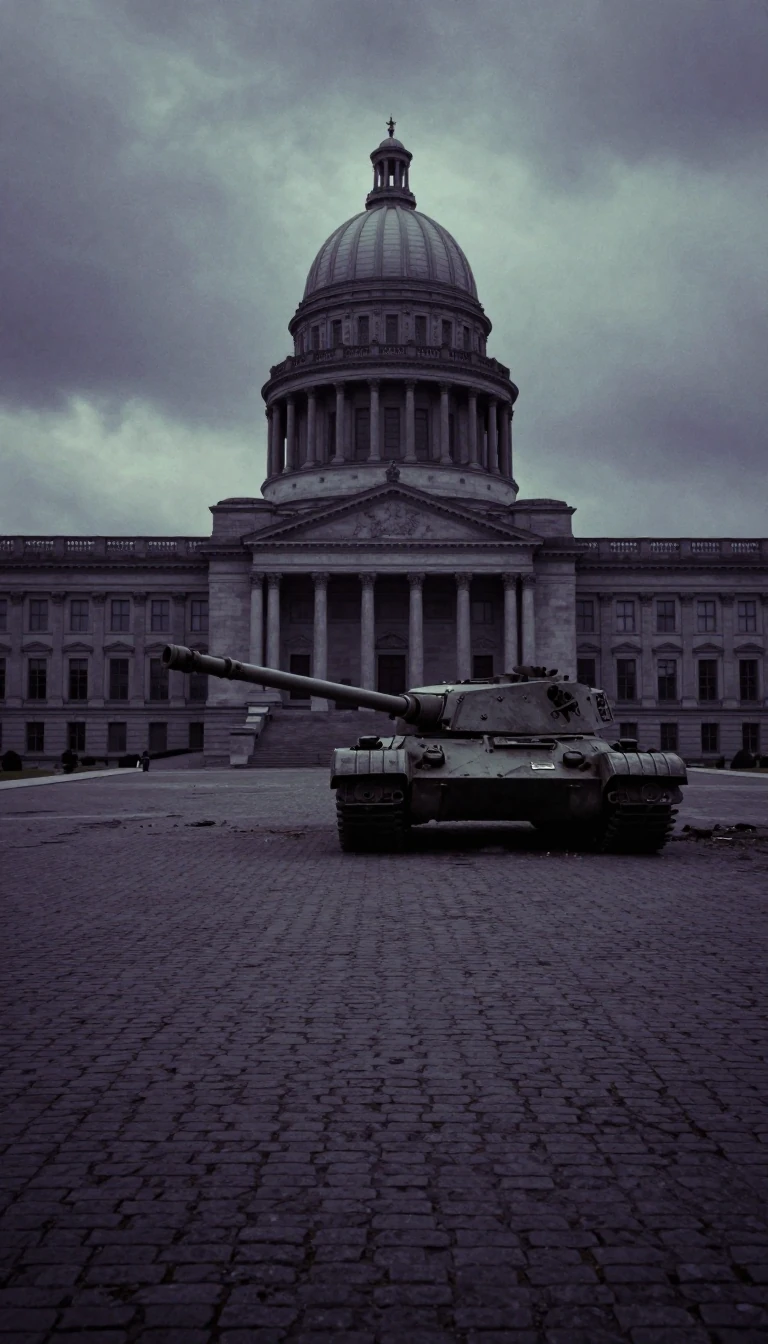 How a Soviet Republic navigated the chaos of the twentieth century to find independenceBorn from the wreckage of World War I and the Russian Revolution, the Byelorussian Soviet Socialist Republic spent seven decades as a tightly controlled constituent of the USSR. I…