The Battle of Britain was named by Winston Churchill weeks before it actually began
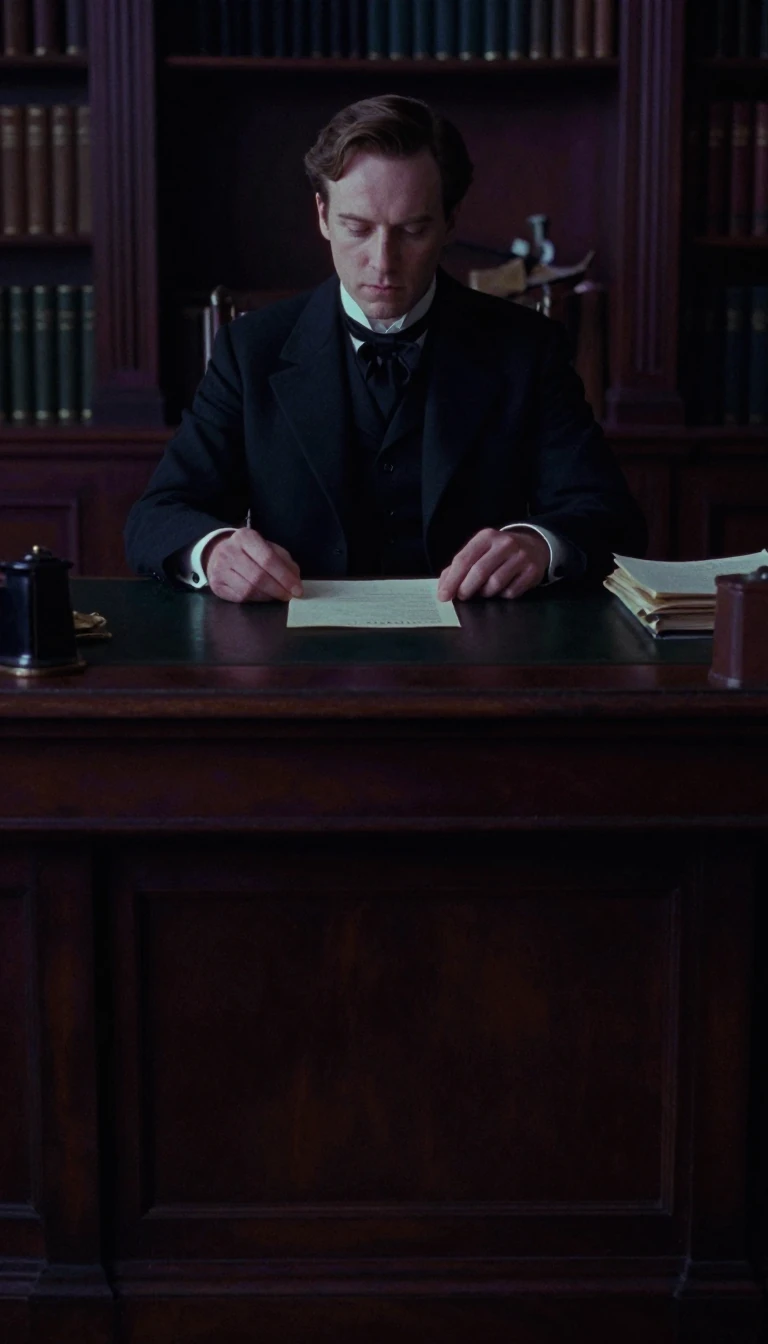
In short: In June 1940, with France defeated, Britain stood alone against Nazi Germany. Prime Minister Winston Churchill famously declared the Battle of Britain was about to begin, framing the conflict as a struggle for the survival of civilization. Yet, the campaign was not a foregone conclusion, but a desperate, unprecedented aerial gamble.
The Battle of Britain, fought from 10 July to 31 October 1940, marked the first major military campaign conducted entirely by air forces. Following the rapid collapse of France, Adolf Hitler expected Britain to seek a negotiated peace. When Churchill and his Cabinet refused, the Luftwaffe—Germany's air force—was tasked with achieving air superiority to either force a capitulation or prepare the way for a potential amphibious invasion, known as Operation Sea Lion.
German strategy was marked by internal contradictions. While Hitler and his High Command initially viewed invasion as a last resort, preferring a blockade to starve Britain into submission, the Luftwaffe leadership under Hermann Göring believed strategic bombing could independently force a political settlement. This reliance on air power was rooted in pre-war doctrines that viewed bombers as unstoppable, though British efforts under Hugh Dowding had countered this by developing radar and modern fighter aircraft. By 1 August 1940, Hitler ordered the Luftwaffe to incapacitate the RAF, shifting focus from coastal shipping to airfields and infrastructure.
The conflict remains a subject of historical debate regarding its scope. While British records define the battle as ending in October 1940, German historians often view it as a single, continuous campaign lasting until May 1941, encompassing the night-bombing raids known as the Blitz. Ultimately, the Luftwaffe's failure to destroy Britain's air defenses represented the first major German defeat of the Second World War. Hitler’s inability to secure a negotiated peace or achieve air superiority forced the indefinite postponement of his invasion plans, proving that the RAF, though outnumbered and exhausted, could withstand the full fury of the German war machine.
This victory was not merely a military achievement but a critical turning point that prevented the collapse of British resistance. By rejecting peace overtures and bracing for a long war, Churchill ensured that Britain remained a base for future operations, effectively stalling the German advance in the West and shifting Hitler's strategic focus toward the Soviet Union.
Opens the Intellect+ feed with this card first. Swipe up for the next one.
Sources
- Summary by Intellect · source: Battle of Britain
To cite this card, link to https://intellectplus.co.uk/app/history-battle-of-britain.
How we source, check and correct cards: Editorial standards.
General information, not professional advice. Spotted an error? Flag the card or see corrections and complaints.
Intellect Plus is a visual educational discovery platform for exploring fascinating facts and ideas. Brain Food, Not Brain Rot. What is Intellect Plus?
Related
More in Modern · More in History · Latest · A–Z · All topics
