The 1905 Battle of Tsushima was the only decisive clash between modern steel battleship fleets.
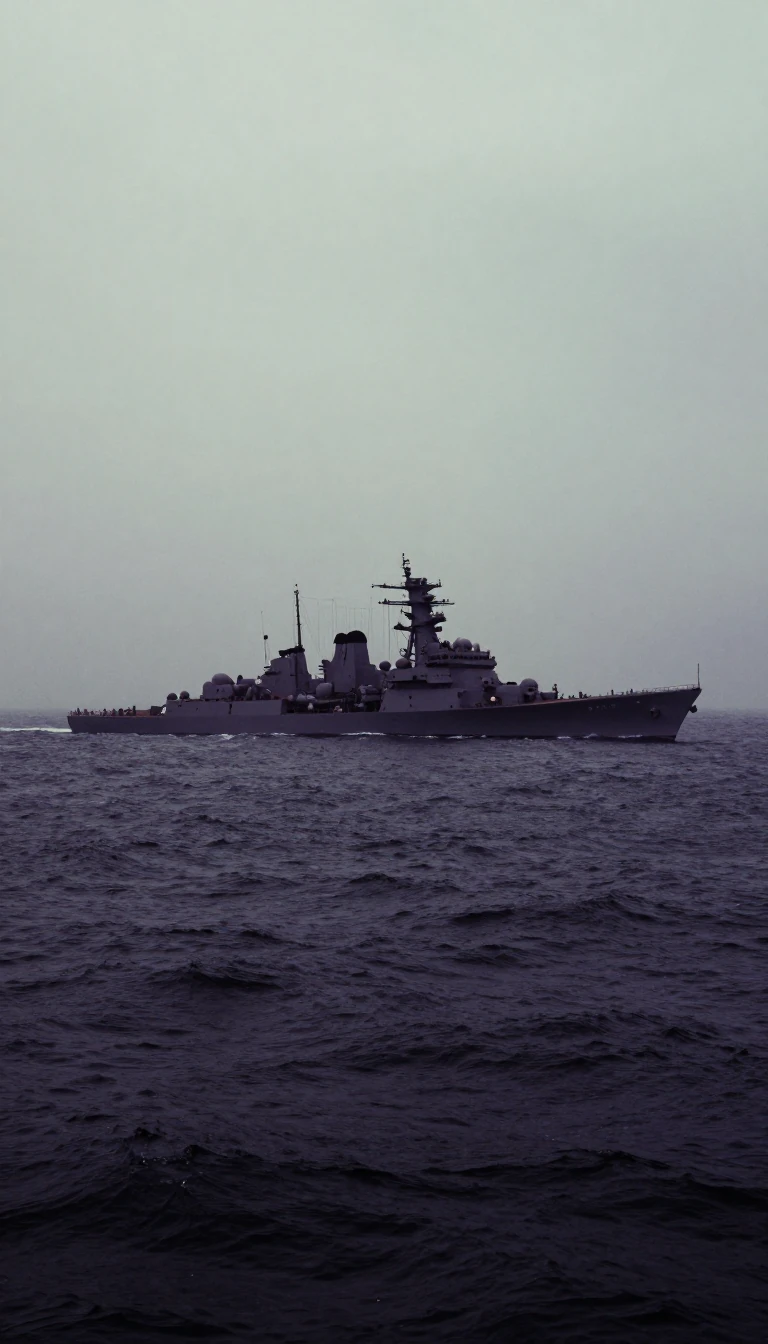
In short: In May 1905, the Russian Baltic Fleet completed an epic 18,000-nautical-mile journey to reach the Pacific, only to be annihilated by Japan in the Tsushima Strait. It was the first naval engagement where wireless telegraphy proved critical, turning a foggy, chaotic sea into a transparent battlefield for the Japanese.
The Battle of Tsushima, fought on 27–28 May 1905, marked the climax of the Russo-Japanese War. After the Russian Pacific Fleet was bottled up and destroyed at Port Arthur, the Tsar dispatched the Second Pacific Squadron from the Baltic Sea. This massive force, commanded by Admiral Zinovy Rozhestvensky, spent seven months navigating around Africa, battling disease, coal shortages, and low morale. By the time they reached the Tsushima Strait, the Russian ships were heavily fouled, slow, and manned by crews exhausted by the grueling voyage.
Admiral Tōgō Heihachirō’s Japanese Combined Fleet held a decisive advantage in speed, experience, and technology. Crucially, the Japanese utilized wireless telegraphy to track the Russian approach through thick fog. When the fleets engaged, Tōgō successfully executed a tactical maneuver known as 'crossing the T,' which allowed his ships to fire broadsides while restricting the Russians to their forward turrets. The result was catastrophic for the Russian navy; all 11 of their battleships were lost, either sunk or captured, while the Japanese suffered no heavy ship losses.
The engagement was the first time a modern armored warship was sunk by gunfire alone. The destruction of the Baltic Fleet was so absolute that it forced Russia to sue for peace, leading to the Treaty of Portsmouth in September 1905. The victory cemented Japan's status as a rising naval power and transformed Admiral Tōgō into a national hero. The battle remains a landmark in military history, described by contemporaries as the most significant naval event since the Battle of Trafalgar in 1805.
Beyond the tactical brilliance, the battle highlighted the growing importance of communication technology in warfare. Tōgō’s ability to receive real-time updates on the Russian fleet's position, even when visibility was limited to under 8 kilometers, rendered the Russian attempt at stealth futile. The surrender of Admiral Nikolai Nebogatov on the second day signaled the end of the conflict, leaving a legacy of technological and strategic shifts that would define the naval warfare of the 20th century.
Opens the Intellect+ feed with this card first. Swipe up for the next one.
Sources
- Summary by Intellect · source: Battle of Tsushima
To cite this card, link to https://intellectplus.co.uk/app/history-battle-of-tsushima.
How we source, check and correct cards: Editorial standards.
General information, not professional advice. Spotted an error? Flag the card or see corrections and complaints.
Intellect Plus is a visual educational discovery platform for exploring fascinating facts and ideas. Brain Food, Not Brain Rot. What is Intellect Plus?
Related
More in Modern · More in History · Latest · A–Z · All topics
