Was the largest naval battle in history fought between Rome and Carthage in 256 BC?
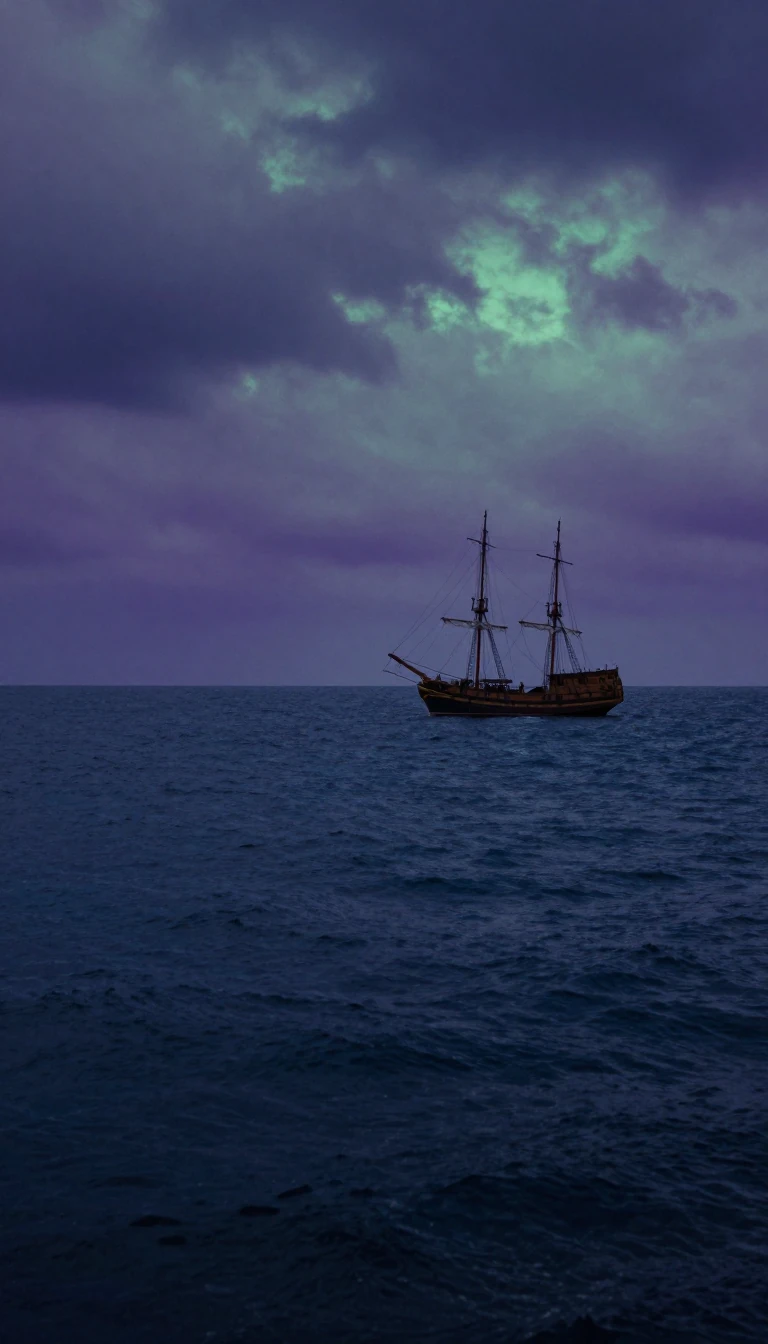
In short: In 256 BC, nearly 700 warships and 290,000 sailors clashed off the coast of Sicily. This massive encounter, known as the Battle of Ecnomus, pitted the Roman Republic against Carthage. It remains a leading candidate for the biggest naval engagement ever recorded, defined by brutal boarding tactics and strategic chaos.
During the First Punic War, Rome sought to invade North Africa to force a decisive end to the conflict. To intercept this invasion, Carthage assembled 350 warships, while Rome countered with 330, plus an unknown number of transports. With a combined force of approximately 290,000 men, the scale of the engagement was unprecedented. The Roman fleet, commanded by consuls Marcus Atilius Regulus and Lucius Manlius Vulso Longus, utilized a unique formation—a wedge designed to protect their transports—while the Carthaginians, led by Hanno and Hamilcar, relied on their superior maritime experience.
The battle quickly devolved into three distinct, chaotic brawls after Hamilcar executed a feigned retreat to break the Roman formation. The Carthaginians hoped to leverage their agility to ram the Roman ships, but the Romans had a secret weapon: the corvus. This boarding bridge allowed Roman legionaries to lock onto enemy vessels and turn naval combat into a land-style fight, neutralizing the Carthaginian advantage in ship handling. Despite the Romans being novices at sea, their heavy, sturdy ships proved resistant to ramming, and their marines dominated the close-quarters fighting.
By the end of the day, the Roman victory was clear. Carthage lost 30 ships sunk and 64 captured, while Rome lost 24 vessels. The human cost was staggering, with an estimated 30,000 to 40,000 Carthaginian casualties compared to 10,000 Roman deaths. While the battle did not end the war immediately, it demonstrated Rome's rapid evolution into a formidable maritime power. The massive effort of constructing 1,000 galleys throughout the First Punic War established a foundation for Roman naval dominance that would endure for the next 600 years.
Our understanding of this event relies heavily on the historian Polybius, writing roughly a century later. Although the accuracy of his account has been debated for 150 years, modern consensus generally accepts his narrative as the most reliable source. Other historians like Diodorus Siculus and Dio Cassius provide additional context, but Polybius remains the primary authority for the tactical maneuvers that defined this ancient clash.
Opens the Intellect+ feed with this card first. Swipe up for the next one.
Sources
- Summary by Intellect · source: Battle of Cape Ecnomus
To cite this card, link to https://intellectplus.co.uk/app/history-battle-of-cape-ecnomus.
How we source, check and correct cards: Editorial standards.
General information, not professional advice. Spotted an error? Flag the card or see corrections and complaints.
Intellect Plus is a visual educational discovery platform for exploring fascinating facts and ideas. Brain Food, Not Brain Rot. What is Intellect Plus?
Related
More in Ancient · More in History · Latest · A–Z · All topics
