How American codebreakers turned a Japanese trap into a devastating naval disaster
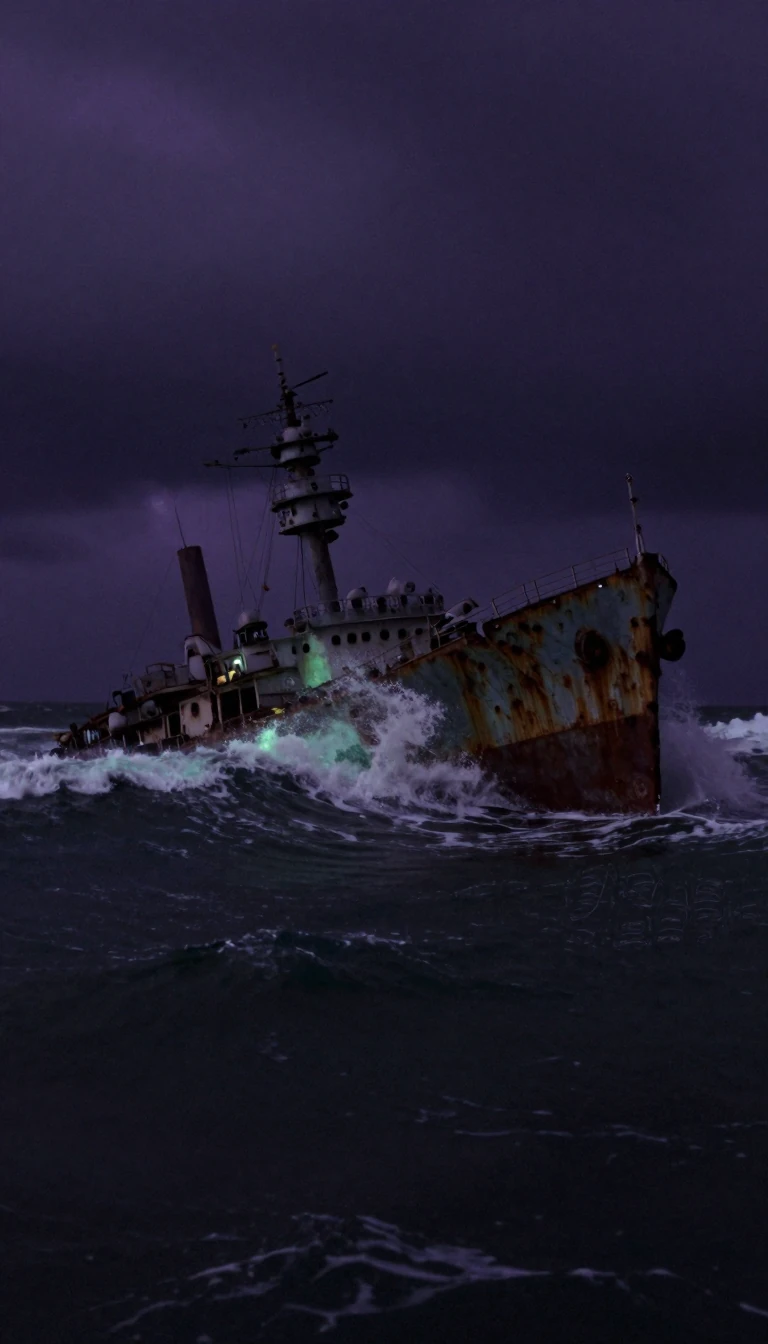
In short: In June 1942, Japan attempted to lure the U.S. Pacific Fleet into a fatal ambush at Midway Atoll. Instead, American intelligence intercepted the plan, allowing the U.S. to turn the tables. The resulting battle saw all four Japanese fleet carriers destroyed, fundamentally shifting the trajectory of the Pacific War.
The Battle of Midway, fought from 4 to 7 June 1942, was a direct consequence of Japan's desire to secure its Pacific perimeter following the April 1942 Doolittle Raid. Admiral Isoroku Yamamoto intended to capture the atoll to force the U.S. fleet into a decisive engagement. However, his strategy was crippled by excessive complexity and the dispersal of his forces, which prevented his battleships from providing necessary support to the carrier strike group commanded by Chuichi Nagumo.
The American victory relied heavily on the work of cryptanalysts at Station HYPO. By using a clever ruse regarding a broken water purification system on Midway, they confirmed that the mysterious objective 'AF' was indeed the atoll. This allowed Admiral Chester Nimitz to position his carriers, including the hastily repaired USS Yorktown, to ambush the Japanese fleet. When the Japanese carriers were caught rearming and refueling their aircraft, American planes launched a surprise attack that proved catastrophic for the Imperial Japanese Navy.
The engagement resulted in the loss of four Japanese carriers—Akagi, Kaga, Sōryū, and Hiryū—and approximately 3,000 men, including many irreplaceable, highly trained pilots. The U.S. lost the Yorktown and the destroyer Hammann. Historians view this clash as a pivotal moment in the Pacific theater, as Japan lacked the industrial and training capacity to replace its losses, while American capabilities continued to expand. It remains one of the most influential naval battles in history, marking the end of Japanese expansionism.
The Japanese defeat was exacerbated by poor reconnaissance and a lack of radar, which left their carriers vulnerable. Furthermore, the ships were poorly designed for damage control, featuring flammable materials and fuel lines that allowed fires to spread uncontrollably. These structural weaknesses, combined with the loss of their primary strike force, meant that the Japanese navy could no longer effectively challenge American power in the Pacific.
Opens the Intellect+ feed with this card first. Swipe up for the next one.
Sources
- Summary by Intellect · source: Battle of Midway
To cite this card, link to https://intellectplus.co.uk/app/history-battle-of-midway.
How we source, check and correct cards: Editorial standards.
General information, not professional advice. Spotted an error? Flag the card or see corrections and complaints.
Intellect Plus is a visual educational discovery platform for exploring fascinating facts and ideas. Brain Food, Not Brain Rot. What is Intellect Plus?
Related
More in Modern (1800-1945) · More in History · Latest · A–Z · All topics
