Was the Belle Époque a golden age of peace or a facade for impending catastrophe?
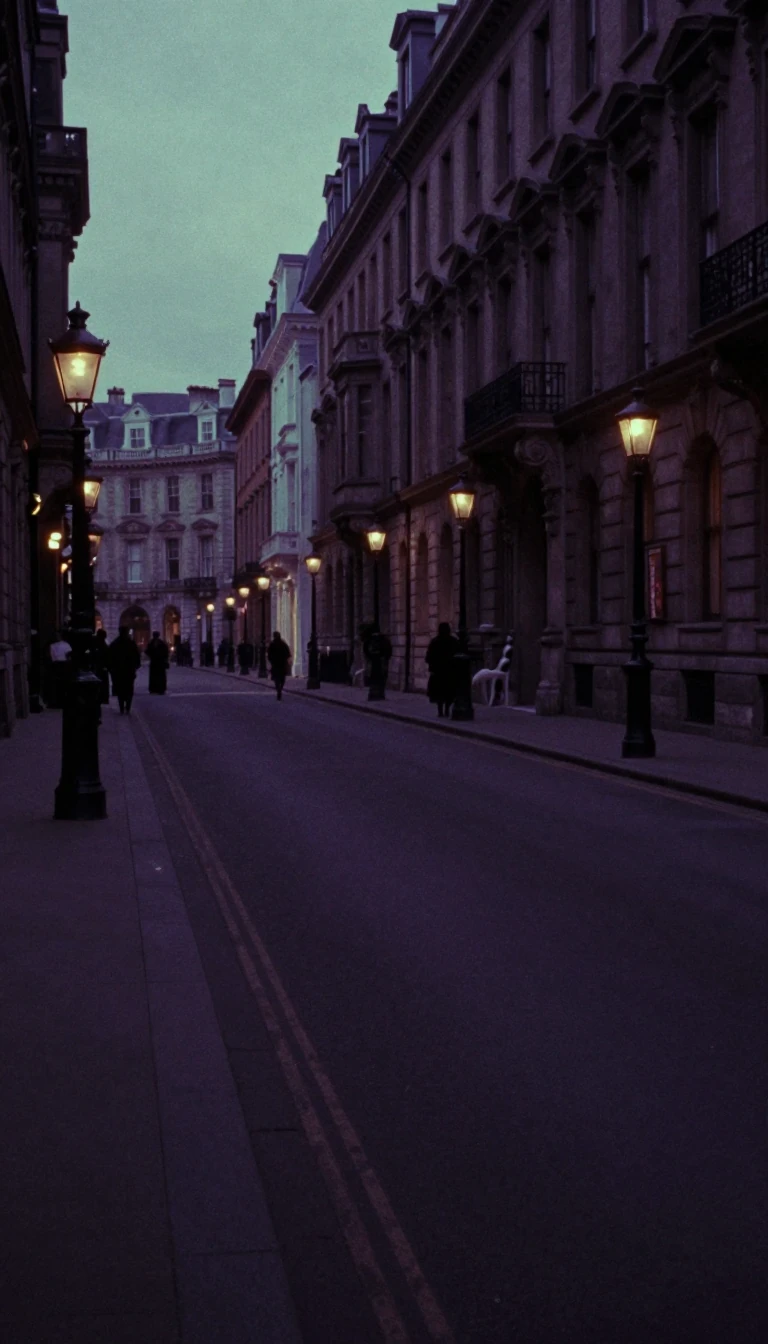
In short: The Belle Époque, spanning 1871 to 1914, is remembered as a French golden age of optimism, scientific innovation, and cultural flourishing. Yet, this era of prosperity and imperial expansion was also marked by deep social inequality, political tension, and a frantic arms race that ultimately collapsed into the First World War.
Retrospectively named to contrast with the violence of the Napoleonic Wars and the First World War, the Belle Époque was a period of relative stability for the Third French Republic. Following the 1871 defeat in the Franco-Prussian War, France experienced a surge of optimism, anchored by the 1889 World's Fair and the iconic Eiffel Tower. It was a time when European civilization exerted maximum global influence, and upper-class travelers could traverse Western Europe with minimal bureaucratic friction.
Beneath this surface, the era was defined by stark contradictions. While the Parisian bourgeoisie and the nouveaux riches enjoyed the cabaret culture of the Moulin Rouge and the luxury of Maxim's, an endemic economic underclass faced persistent poverty. Political stability was frequently tested by the Dreyfus affair, which exposed deep-seated antisemitism, and by the rise of radical movements, including anarchism and the Second International. The era's apparent calm was further belied by a series of diplomatic crises, such as the Fashoda Incident and the Moroccan crises, alongside a growing international armaments competition.
The period was a crucible for modernity, witnessing the birth of cinema, the invention of the automobile, and breakthroughs in germ theory and radioactivity by figures like Louis Pasteur and Marie Skłodowska-Curie. Artistically, it saw the rise of Art Nouveau, the Symbolist movement, and the early experiments of Cubism. Yet, this cultural explosion occurred against a backdrop of colonial expansion, known as the New Imperialism, and a series of regional conflicts. Ultimately, the material and human destruction of the First World War, preceded by the Balkan Wars, brought this era of perceived joie de vivre to a definitive and violent end.
Opens the Intellect+ feed with this card first. Swipe up for the next one.
Sources
- Summary by Intellect · source: Belle Époque
To cite this card, link to https://intellectplus.co.uk/app/history-belle-poque.
How we source, check and correct cards: Editorial standards.
General information, not professional advice. Spotted an error? Flag the card or see corrections and complaints.
Intellect Plus is a visual educational discovery platform for exploring fascinating facts and ideas. Brain Food, Not Brain Rot. What is Intellect Plus?
Related
More in Modern · More in History · Latest · A–Z · All topics
