The accidental masterpiece that defined the sound of modern rock guitar
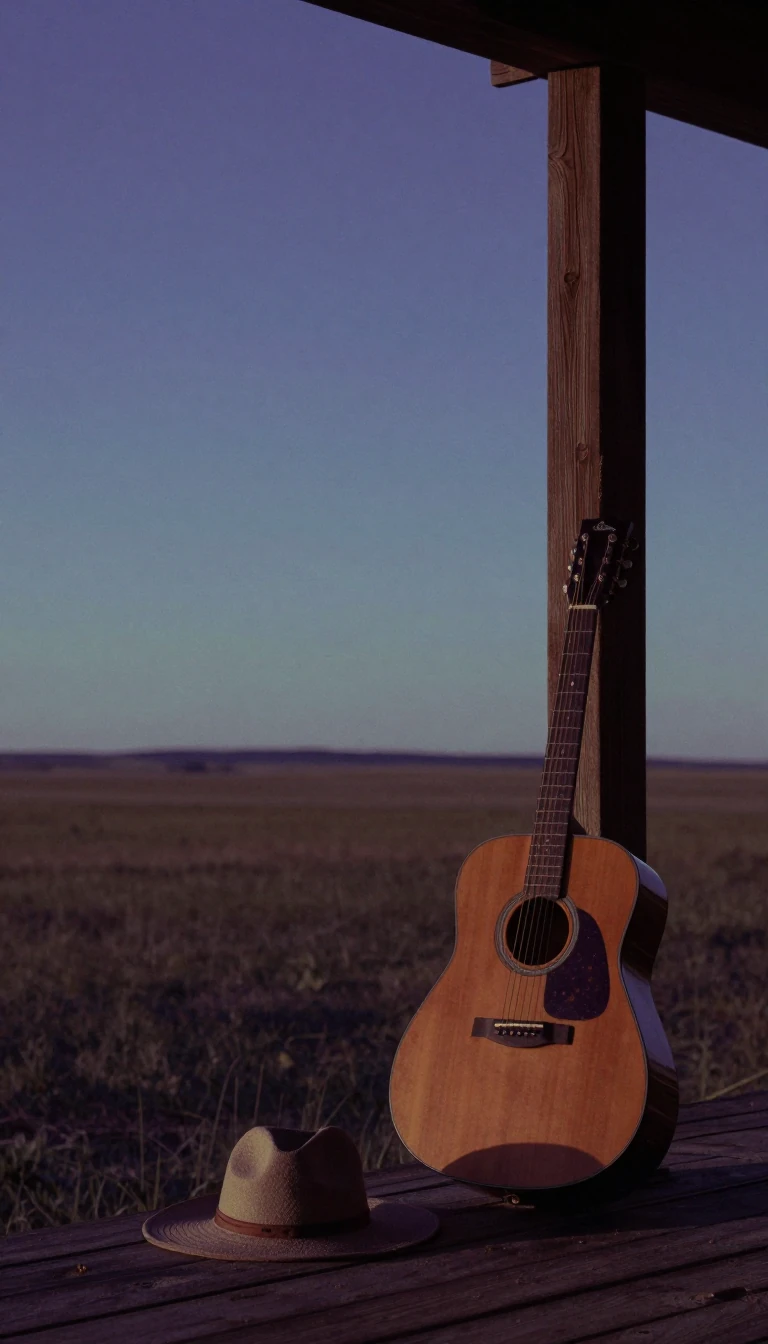
In short: In 1966, a failed live recording session led to a blues-rock revolution. Known as The Beano Album, this debut studio release pioneered a heavy, guitar-dominated sound. By abandoning poor-quality live tapes for studio sessions, the band created a legendary sonic blueprint that would change the course of rock history forever.
Originally, John Mayall intended to release a live album to capture the electric energy of Eric Clapton’s solos. A session recorded at London's Flamingo Club with bassist Jack Bruce was abandoned due to poor audio quality. Instead, the band moved to Decca Studios in West Hampstead, London, in May 1966, to record what would become 'Blues Breakers with Eric Clapton.' The lineup featured John McVie on bass and Hughie Flint on drums, with Mayall providing piano, organ, and harmonica. While the studio tracks were the priority, the band's earlier live performance at the Flamingo Club included a version of 'Stormy Monday' that eventually appeared on Mayall's 1969 retrospective release.
The album's sonic identity was forged by a specific, now-legendary gear combination: a Gibson Les Paul Standard played through an overdriven Marshall amplifier. The guitar used during these sessions—a sunburst 1960 model featuring two PAF humbucking pickups—became known as the 'Beano' Les Paul. Its history is shrouded in mystery; stolen in 1966, its current location remains unknown, though guitarist Joe Bonamassa suggests it may reside in a private US collection. While some musicians, such as Joe Bonamassa, argue the instrument was actually a 1959 model, its legacy is so enduring that Gibson released a replica in 2012. This specific setup of the Les Paul and Marshall amplifier established a foundational blueprint for the rock genre.
The album's famous cover, featuring Clapton reading a British children's comic, was actually an act of rebellion. Clapton later admitted in his autobiography that he chose 'The Beano' because he felt 'uncooperative' during the photo shoot by David Wedgbury. Despite this casual origin, the album's impact was profound, earning high rankings on prestigious lists, including number 195 on Rolling Stone’s '500 Greatest Albums of All Time'. The record also showcased Clapton's vocal range, featuring his first solo lead vocal on 'Ramblin' on My Mind.' Beyond the core band, a horn section including Alan Skidmore and Johnny Almond was integrated during the post-production phase.
Opens the Intellect+ feed with this card first. Swipe up for the next one.
Sources
- Summary by Intellect · source: Blues Breakers with Eric Clapton
To cite this card, link to https://intellectplus.co.uk/app/history-blues-breakers-with-eric-clapton.
How we source, check and correct cards: Editorial standards.
General information, not professional advice. Spotted an error? Flag the card or see corrections and complaints.
Intellect Plus is a visual educational discovery platform for exploring fascinating facts and ideas. Brain Food, Not Brain Rot. What is Intellect Plus?
Related
More in Born on this day · More in History · Latest · A–Z · All topics
