How a remote California inlet became a strategic prize for Russian fur traders
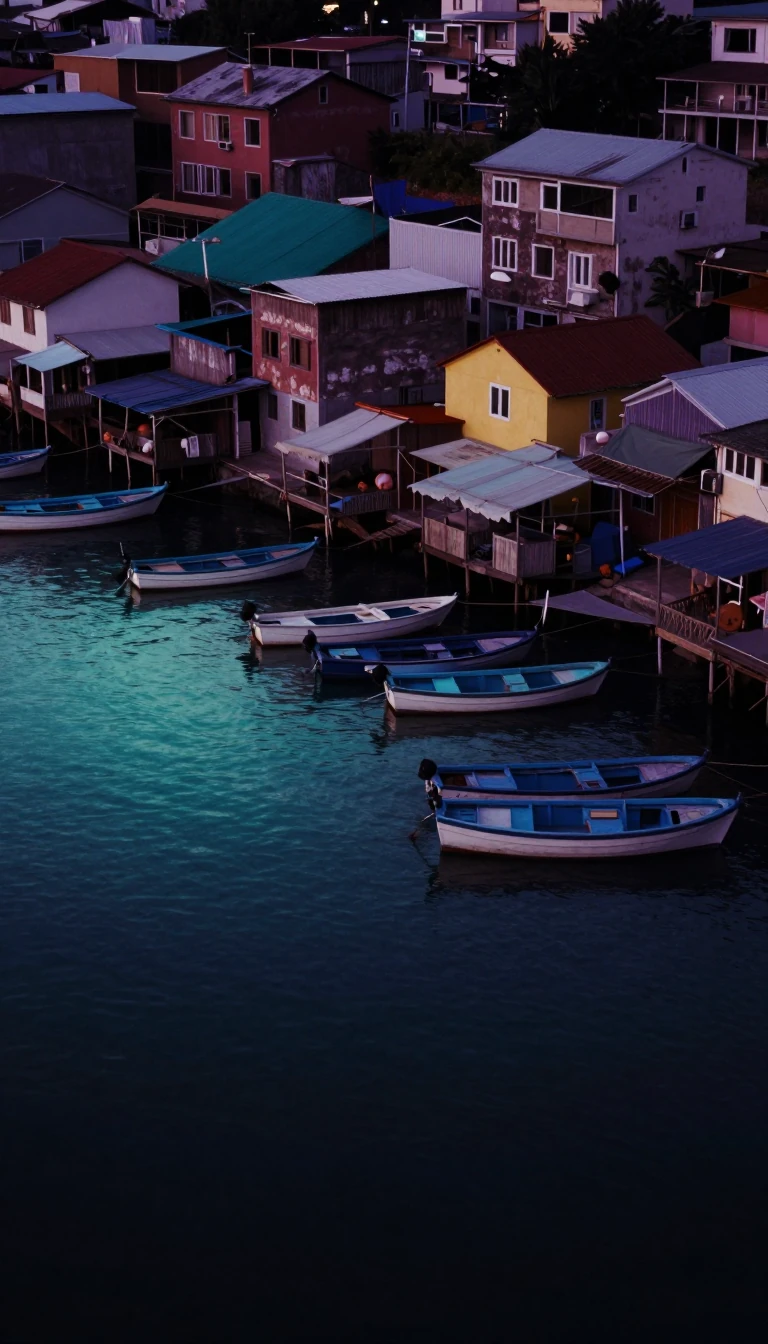
In short: Long before it was a cinematic backdrop for Hitchcock, Bodega Bay was the center of a high-stakes colonial struggle. Russian explorers, seeking to dominate the Pacific fur trade, transformed this rocky inlet into a vital port for their Fort Ross colony, leaving behind a complex legacy of international competition.
The history of Bodega Bay is defined by its role as a gateway for foreign powers. While the Coast Miwok people lived on its shores for generations, the bay entered European records in 1775 when Juan Francisco de la Bodega y Quadra charted the region. Interestingly, the explorer actually named present-day Tomales Bay as Puerto de la Bodega, and there is no evidence he ever identified the harbor that now bears his name. Later, the Russian-American Company (RAC) recognized the area's strategic value, with Ivan Kuskov arriving in 1809 to survey the coast for potential settlement.
By 1812, the Russians had established a firm presence, naming the site Zaliv Rumyantsev in honor of the Russian Minister of Commerce. While they eventually chose a location 15 miles north—the Kashaya Pomo site of Metini—to build Fort Ross, Bodega Bay remained the colony's primary port. It served as a critical hub for repairs and logistics, housing a wharf, warehouse, and barracks. The Russian interest was driven by the lucrative sea otter trade, which saw thousands of pelts shipped to Alaska, though aggressive international over-hunting had effectively decimated the local population by 1817.
Following the Mexican–American War and the 1848 Mexican Cession, the territory transitioned to United States control. The bay continued to function as a bustling lumber shipping port until the 1870s, when the arrival of the North Pacific Coast Railroad shifted trade routes inland. In the modern era, the bay has navigated diverse identities, from the setting of the 1963 film The Birds to a site of environmental activism that successfully halted plans for a nuclear power plant in 1964. Today, it stands as a protected marine sanctuary, far removed from the era of colonial maritime outposts.
Opens the Intellect+ feed with this card first. Swipe up for the next one.
Sources
- Summary by Intellect · source: Bodega Bay
To cite this card, link to https://intellectplus.co.uk/app/history-bodega-bay.
How we source, check and correct cards: Editorial standards.
General information, not professional advice. Spotted an error? Flag the card or see corrections and complaints.
Intellect Plus is a visual educational discovery platform for exploring fascinating facts and ideas. Brain Food, Not Brain Rot. What is Intellect Plus?
Related
More in Explorers · More in History · Latest · A–Z · All topics
