Can we breed the ghosts of extinct animals back into existence?
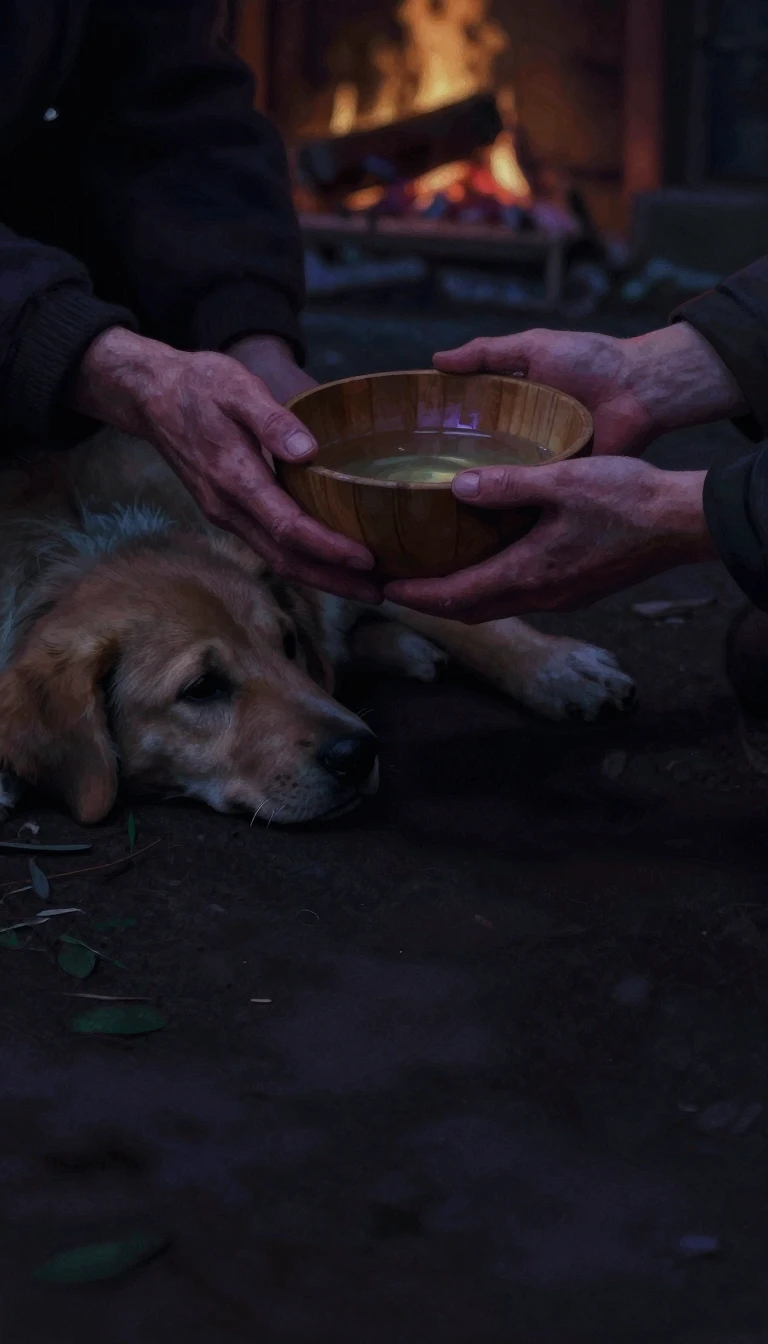
In short: When humans wiped out wild species, they left behind a genetic blueprint buried in our domestic livestock. Breeding back is a high-stakes attempt to unearth those ancient traits, aiming to recreate the physical appearance and ecological behaviors of extinct ancestors by selecting for hidden wild characteristics within modern lineages.
Breeding back is a distinct process from dedomestication. While dedomestication refers to the reversal of domestication, breeding back is the deliberate selection of domestic animals to mirror the phenotype of a wild ancestor, particularly one that is already extinct. The goal is to re-express traits that may have been unintentionally preserved in domestic lineages, such as the herding instincts of cattle or the social behaviors of dogs.
The success of these projects is often debated because the original wild types are frequently known only through skeletons or historical descriptions. For example, the Heck cattle—created in the 1920s by Heinz and Lutz Heck—are considered by some literature to be mere "vague look-alikes" of the extinct aurochs. While they share some color and horn similarities, they differ significantly in many other respects. To improve authenticity, subsequent projects like the TaurOs Project use "primitive" southern European breeds to better approximate the aurochs' original phenotype.
Beyond aesthetics, these programs aim to restore ecological capacity. For a bred-back animal to successfully fill a vacant niche, it must possess the same robustness, predator defense, and foraging instincts as its ancestor. This is why some projects incorporate natural selection; in Europe, for instance, a sufficient predator population might be necessary to "filter" for authentic wild behaviors. If successful, these animals could re-establish natural dynamics in ecosystems where human activity previously caused a biological vacuum.
Several notable projects illustrate this science: the Quagga Project in South Africa seeks to recreate the extinct quagga by selecting plains zebras with fewer stripes; the "Iron Age pig" project aims to recreate prehistoric pigs from wild boar and domestic hybrids; and the Heck Horse project attempts to reconstruct the Tarpan. Even non-extinct species are involved, such as the Northern Inuit Dog, which uses back-breeding to mimic the wolf phenotype, and efforts in the Galápagos to restore the genetic purity of the Floreana giant tortoise.
Opens the Intellect+ feed with this card first. Swipe up for the next one.
Sources
- Summary by Intellect · source: Breeding back
To cite this card, link to https://intellectplus.co.uk/app/history-breeding-back.
How we source, check and correct cards: Editorial standards.
General information, not professional advice. Spotted an error? Flag the card or see corrections and complaints.
Intellect Plus is a visual educational discovery platform for exploring fascinating facts and ideas. Brain Food, Not Brain Rot. What is Intellect Plus?
Related
More in Extinction · More in History · Latest · A–Z · All topics
