The Devil's Bible weighs 74.8 kg and once survived being hurled from a burning castle
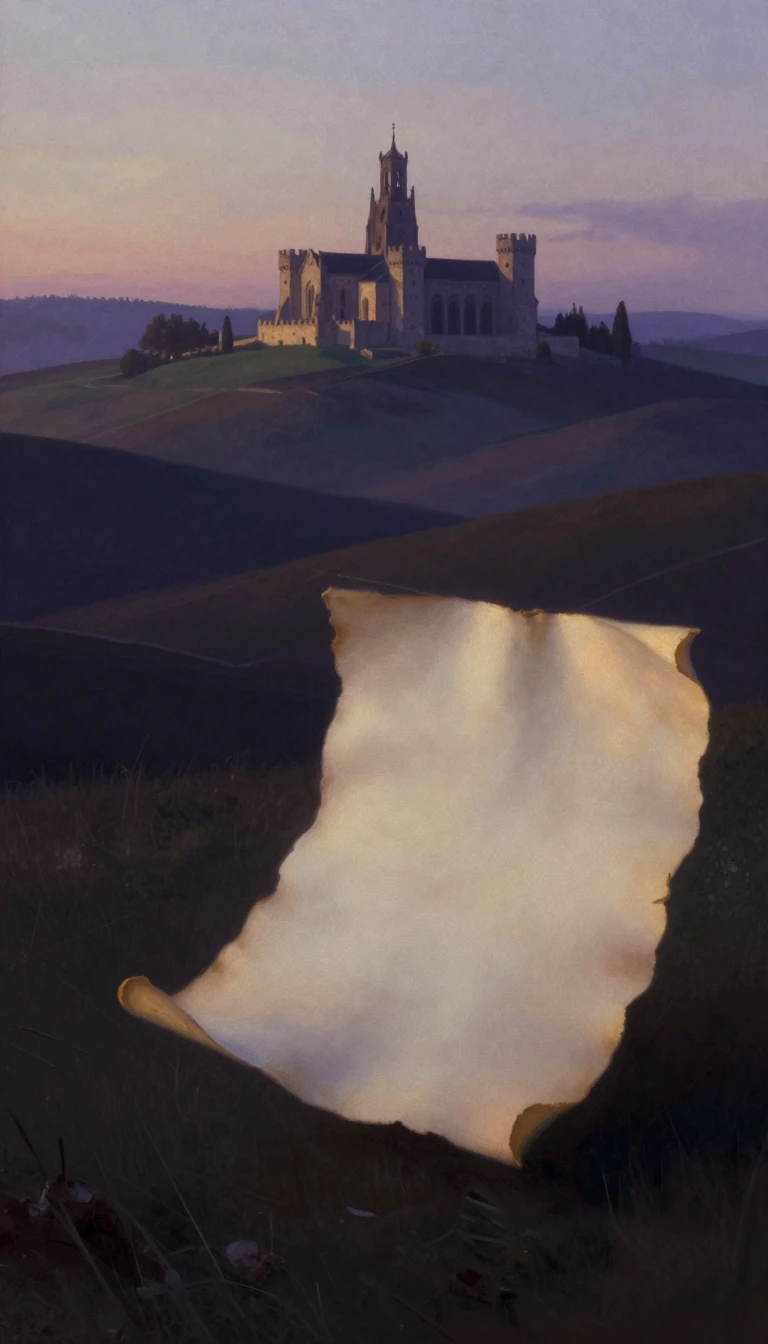
In short: Legend says a disgraced monk wrote the Codex Gigas in a single night after selling his soul to Lucifer, then painted the Devil inside as thanks. Handwriting analysis agrees on one scribe, but suggests two decades or more of labour on the largest medieval illuminated manuscript still in existence.
The book was made in the early 13th century at the Benedictine monastery of Podlazice near Chrast in Bohemia, and is usually dated between 1204 and 1230; its own records stop in 1222. It measures 92 cm long, 50 cm wide and 22 cm thick, bound in leather-covered wooden boards with metal fittings. Its 310 surviving vellum leaves may come from 160 donkeys, or possibly calves. Twelve of the original 320 sheets were cut out by someone unknown, for reasons nobody has explained.
Inside is a whole library. Around a Latin Vulgate Bible sit Josephus's histories of the Jews, Isidore of Seville's encyclopedia, medical treatises, the Bohemian chronicle of Cosmas of Prague, prayers, charms and a necrology of the monastery's brothers. The opening page even carries two Hebrew alphabets. Yet figurative pictures are sparse, which makes folio 290 all the more startling: a crouching, green-headed Devil about 50 cm tall, with red claws, horns and two forked tongues, facing a full-page view of the Heavenly City. Pages leading up to it have darkened, apparently because centuries of readers left them open to the light while leafing toward him.
The manuscript's travels read like an adventure. Soon after completion the Benedictines pawned it to the Cistercians of Sedlec for 70 years, until the monks of Brevnov reclaimed it late in the 13th century. From 1477 it rested in a monastery library at Broumov, then in 1594 entered the private collection of Emperor Rudolf II in Prague. In 1648, at the close of the Thirty Years' War, Swedish troops carried off his entire collection as booty.
Stockholm has held it ever since. When fire swept the Tre Kronor royal castle on 7 May 1697, destroying much of the Royal Library, someone saved the codex by throwing it out of a window; a vicar recorded that it landed on a bystander and hurt him. It is now on public display at the National Library of Sweden.
Opens the Intellect+ feed with this card first. Swipe up for the next one.
Sources
- Summary by Intellect · source: Codex Gigas
To cite this card, link to https://intellectplus.co.uk/app/history-codex-gigas.
How we source, check and correct cards: Editorial standards.
General information, not professional advice. Spotted an error? Flag the card or see corrections and complaints.
Intellect Plus is a visual educational discovery platform for exploring fascinating facts and ideas. Brain Food, Not Brain Rot. What is Intellect Plus?
Related
More in Early modern · More in History · Latest · A–Z · All topics
