Why Ireland’s second-smallest county once served as the seat of English colonial power
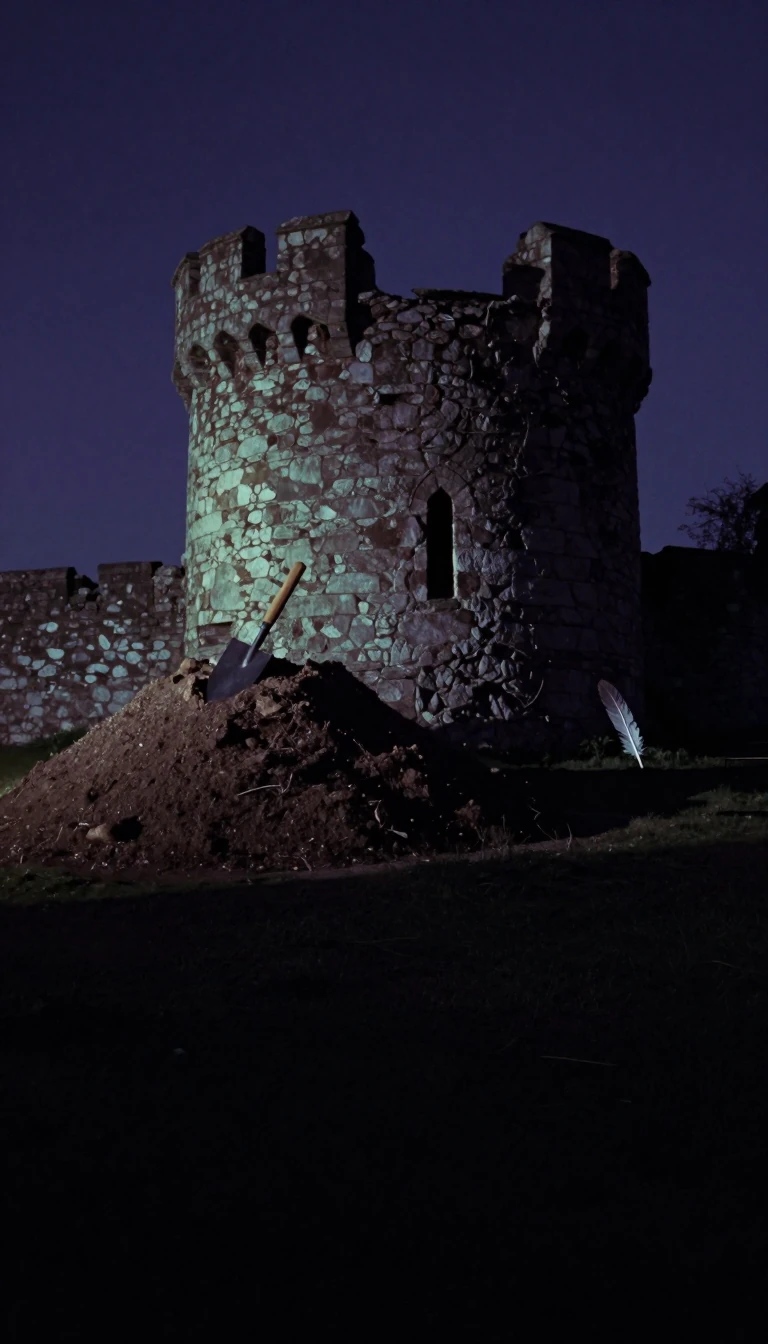
In short: Carlow is a quiet, landlocked county known for its ancient megaliths and rural charm. Yet, in the 14th century, this small territory became the administrative heart of the Lordship of Ireland. Its history is a complex tapestry of Norman ambition, Gaelic resurgence, and the enduring influence of local dynasties.
Carlow’s identity is deeply rooted in its ancient landscape. Often called The Dolmen County, it hosts the Brownshill Dolmen, a 6,000-year-old tomb featuring a capstone estimated to weigh over 100 metric tonnes. Geologically, the county is defined by granite plutons formed 400 million years ago, which were later exposed by erosion. While its name was once thought to mean four lakes, modern etymology suggests it signifies a place of cattle, reflecting the region's long-standing agricultural character.
The county’s political significance surged during the medieval era. Following the Norman conquest, the area became a vital strategic asset. To counter the declining influence of the English crown, the administration designated Carlow as the capital of the Lordship of Ireland between 1361 and 1374. This decision placed the seat of government just 13 kilometres from the stronghold of Art MacMurrough-Kavanagh, the King of Leinster, whose dynasty maintained significant authority over the region for centuries despite shifting political tides.
The modern boundaries of Carlow were largely solidified by the 17th century, following the loss of territory to County Wicklow in 1606. The county later became a site of intense conflict during the 1798 Rebellion, marked by sectarian violence and the infamous actions of figures like the Reverend Robert Rochfort. By the 20th century, Carlow played a unique role in the transition to independence; it hosted the first post-independence court of the Irish Free State in 1922, and its courthouse served as the site for the inaugural session of the new government's judiciary.
Opens the Intellect+ feed with this card first. Swipe up for the next one.
Sources
- Summary by Intellect · source: County Carlow
To cite this card, link to https://intellectplus.co.uk/app/history-county-carlow.
How we source, check and correct cards: Editorial standards.
General information, not professional advice. Spotted an error? Flag the card or see corrections and complaints.
Intellect Plus is a visual educational discovery platform for exploring fascinating facts and ideas. Brain Food, Not Brain Rot. What is Intellect Plus?
Related
More in Explorers · More in History · Latest · A–Z · All topics
