A frontier-town school nearly closed, then was revived by one young headmaster
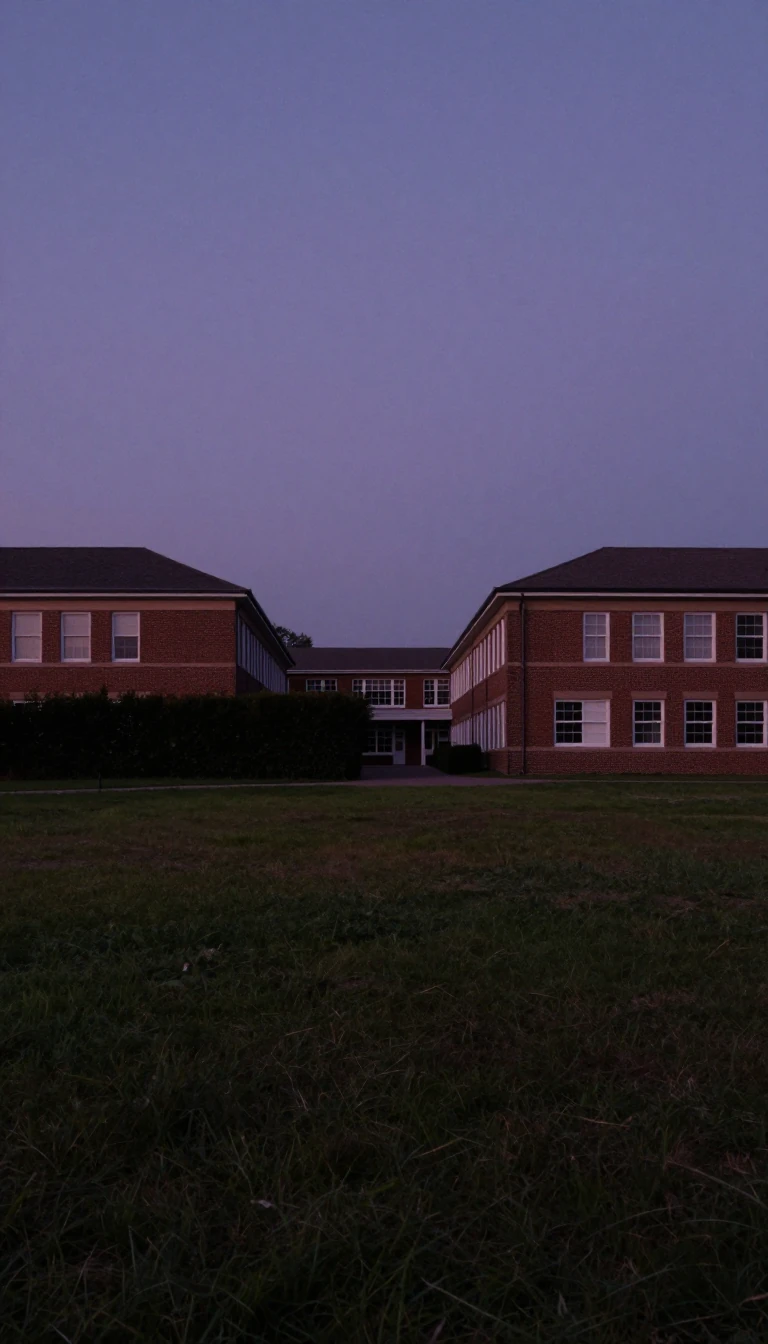
In short: Deerfield Academy, chartered in 1797, ranks among the oldest secondary schools in the United States. By 1902 it had just fourteen students and a shuttered boarding department. A 22-year-old named Frank Boyden rebuilt it into an elite boarding school. Here is how a struggling village academy became a national institution.
Deerfield Academy traces its origins to a 1797 charter that Massachusetts governor Samuel Adams granted, aimed at promoting piety, religion and morality alongside the liberal arts. The school opened to students in 1799 in the town of Deerfield, which at that time was regarded as the main European settlement on the western edge of the colonies. Local leaders gathered funds for a schoolhouse and an endowment, and from the outset girls as well as boys were taught. Many early New England academies lacked dormitories, so students from out of town boarded with local families.
The nineteenth century was difficult. In 1859 the academy became a semi-public institution after the state ordered the town to set up a free public high school, and in 1876 it was renamed after a local donor's bequest funded a new building and library. Industrial growth, however, pulled people away from western Massachusetts. Between 1880 and 1900 the town's population fell from 3,543 to 1,969, leaving the school short of pupils. When Frank Boyden took charge in 1902 at age 22, enrolment stood at fourteen and the boarding department had closed.
Few seemed eager for the post, and Boyden was reportedly the sole candidate to apply. Boyden remade the academy as a private, all-male college-preparatory school with boarders recruited nationwide rather than from the immediate area. He rebuilt enrolment, raised teacher pay and cultivated ties with university admissions staff. He reopened boarding in 1916 and brought in an advertising professional to market the school, promoting an image of the well-rounded student who valued ethics and fair play. By 1923 the school had 140 pupils, 80 of them boarders. Boyden's record invites debate. Historians credit him as a skilled fundraiser who built what was essentially a new institution on an old base, and in his early years the school became cheaper and more socially varied. His private comments about immigrant families and his wish to preserve a Yankee character, however, suggest that his goals were not purely egalitarian. Deerfield ended coeducation in 1948 and admitted girls again in 1989. Boyden retired in 1968 and died in 1972, and the New York Times described him as the most recognised American headmaster of his era.
Opens the Intellect+ feed with this card first. Swipe up for the next one.
Sources
- Summary by Intellect · source: Deerfield Academy
To cite this card, link to https://intellectplus.co.uk/app/history-deerfield-academy.
How we source, check and correct cards: Editorial standards.
General information, not professional advice. Spotted an error? Flag the card or see corrections and complaints.
Intellect Plus is a visual educational discovery platform for exploring fascinating facts and ideas. Brain Food, Not Brain Rot. What is Intellect Plus?
Related
More in Education · More in History · Latest · A–Z · All topics
