How gunpowder and the rise of the state transformed the nature of human conflict
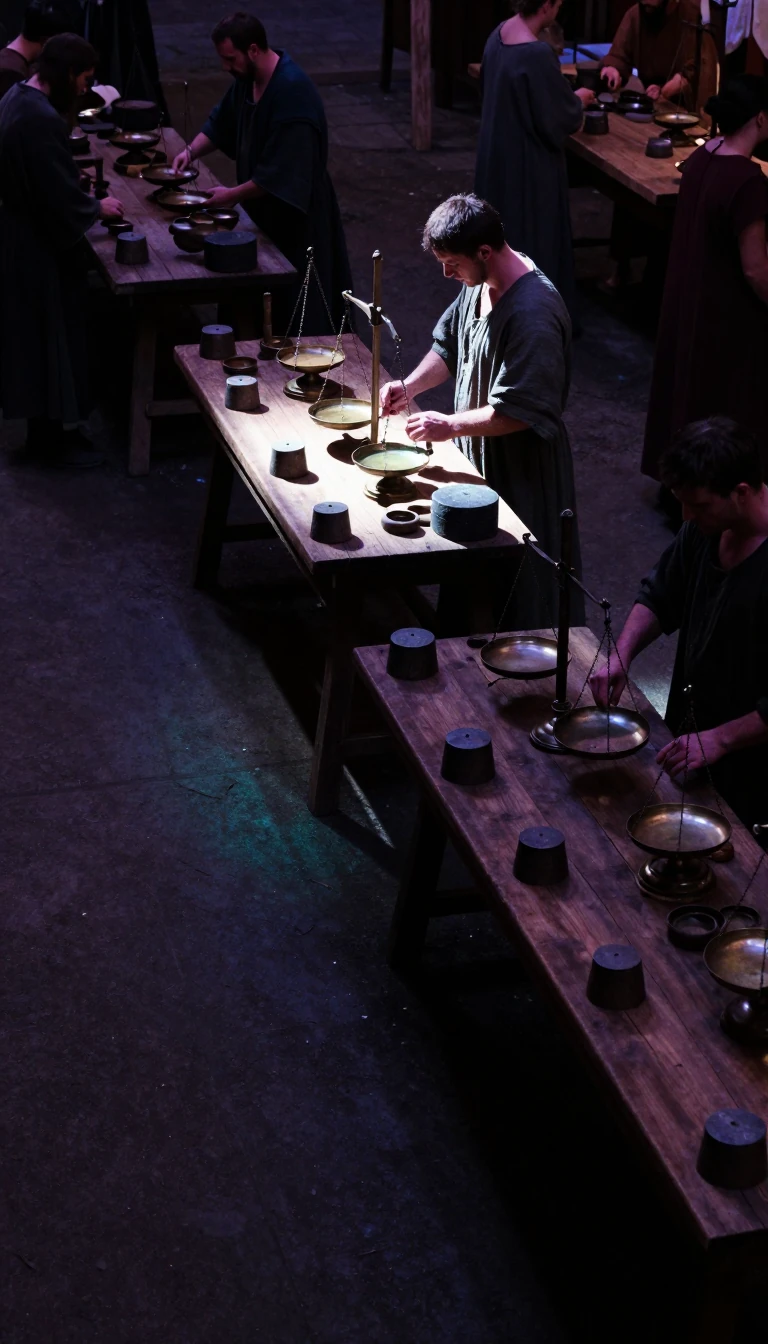
In short: Early modern warfare marked a shift from medieval chivalry to the age of gunpowder. As firearms replaced bows and plate armor, the battlefield changed forever. Massive, state-funded armies replaced mercenaries, while complex star-shaped fortresses and the bayonet redefined how nations fought, ultimately laying the foundations for the modern bureaucratic state.
The early modern period, spanning roughly the 16th to the 18th centuries, saw warfare evolve from the localized clashes of the Middle Ages into a destructive, state-driven enterprise. The catalyst was gunpowder. As firearms like the arquebus and later the flintlock musket became standard, the tactical dominance of the armored knight faded. Because muskets required little training compared to the longbow or pike, monarchs could rapidly expand their forces, shifting the burden of defense from a small aristocratic elite to large, mass-conscripted infantry units.
This expansion necessitated a revolution in logistics and administration. Armies grew exponentially; for instance, while Henry II of France could muster 20,000 men in the 1550s, Louis XIV could deploy up to 500,000 by 1700. To manage these massive forces, states built vast bureaucracies, often funded by new financial instruments like long-term loans from institutions such as the Bank of England. This centralization of power and taxation frequently sparked internal revolts, yet it also fostered the early concepts of national unity and the modern nation-state.
Tactics and fortifications adapted in tandem. To counter the devastating power of artillery, engineers developed the 'Italian style' or trace Italienne—star-shaped fortresses with low, thick, sloping walls designed to deflect cannon fire. These forts made warfare notoriously indecisive, as sieges became the most common form of conflict, often dragging on for years and causing widespread civilian suffering. By the mid-18th century, the rise of explosive shells and more accurate rifled guns rendered these complex star designs less effective, leading to the simpler, more robust polygonal forts.
Ultimately, the era was defined by its lethality and the erosion of old social hierarchies. While aristocrats maintained control of the officer corps, the common soldier became the backbone of the state. The invention of the bayonet in the 1690s finally allowed infantry to combine firepower with defensive capability, cementing their role as the most crucial military force. This period of endemic, expensive, and destructive warfare fundamentally reshaped the political and social landscape of Europe.
Opens the Intellect+ feed with this card first. Swipe up for the next one.
Sources
- Summary by Intellect · source: Early modern warfare
To cite this card, link to https://intellectplus.co.uk/app/history-early-modern-warfare.
How we source, check and correct cards: Editorial standards.
General information, not professional advice. Spotted an error? Flag the card or see corrections and complaints.
Intellect Plus is a visual educational discovery platform for exploring fascinating facts and ideas. Brain Food, Not Brain Rot. What is Intellect Plus?
Related
More in History by topic · More in History · Latest · A–Z · All topics
