The Eastern Cape: A Diverse South African Province Shaped by Mountains and History
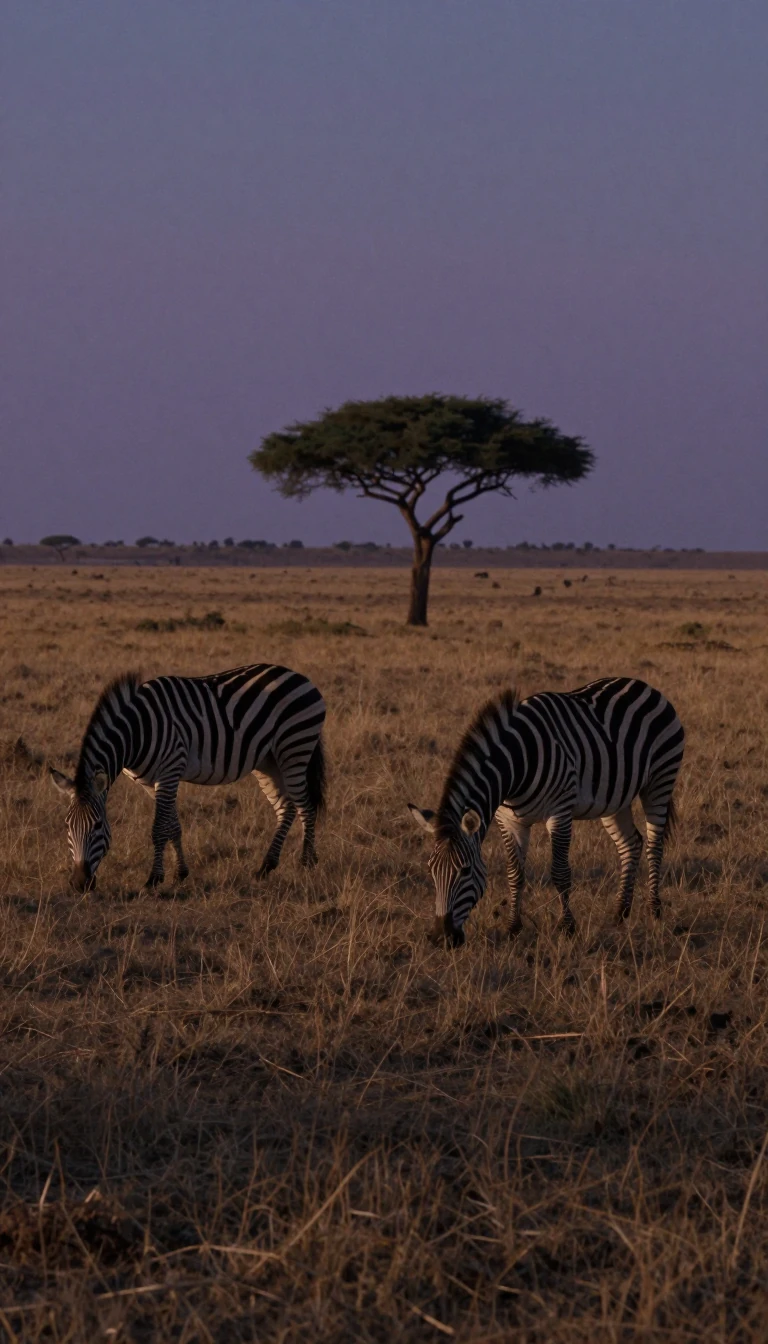
In short: Spanning from the rugged Drakensberg peaks to the subtropical Indian Ocean coastline, the Eastern Cape is a land of dramatic contrasts. Once part of the Cape of Good Hope, this province is the traditional home of the Xhosa people and a region defined by its complex colonial and indigenous history.
Established in 1994, the Eastern Cape was formed by integrating the former Xhosa homelands of Transkei and Ciskei with a portion of the former Cape Province. This administrative consolidation created a vast, mountainous territory covering 65,238 square miles. The landscape is dominated by the southern spur of the Drakensberg, which rises above 9,000 feet in the northeast, before descending toward a coastal plain. The climate shifts significantly across this terrain, ranging from the semiarid conditions near Graaff-Reinet in the west to the lush, subtropical humidity of the eastern coast.
The province's demographic and cultural identity is deeply rooted in its history. More than three-fourths of the population are Black African, with Xhosa being the predominant language. The region was historically the seat of the powerful Xhosa Kingdom, which exerted influence over surrounding states. European settlement began in earnest during the late 18th century, with the Dutch establishing Graaff-Reinet in 1786. Following the British takeover of the Cape Colony in 1806, waves of British migrants arrived throughout the 19th century, founding numerous towns and establishing schools, churches, and government centers that accelerated regional development.
Today, the Eastern Cape serves as a vital economic and educational hub. Manufacturing centers like Gqeberha and East London focus on motor production and food processing, while the interior supports agriculture, including Merino sheep, Angora goats, and various crops. The province is also home to several universities, including institutions in Makhanda, Dikeni, and Gqeberha. With a 2022 population of over 7.2 million, the province continues to evolve, balancing its rich traditional heritage with modern industrial and academic pursuits, all while maintaining its status as a significant cultural and geographic pillar of South Africa.
Opens the Intellect+ feed with this card first. Swipe up for the next one.
Sources
- Summary by Intellect · source: Eastern Cape | Map, Location, & Population | Britannica
- Also: Eastern Cape
To cite this card, link to https://intellectplus.co.uk/app/history-eastern-cape.
How we source, check and correct cards: Editorial standards.
General information, not professional advice. Spotted an error? Flag the card or see corrections and complaints.
Intellect Plus is a visual educational discovery platform for exploring fascinating facts and ideas. Brain Food, Not Brain Rot. What is Intellect Plus?
Related
More in Explorers · More in History · Latest · A–Z · All topics
