How a precarious anchorage beneath Table Mountain became South Africa’s legislative powerhouse
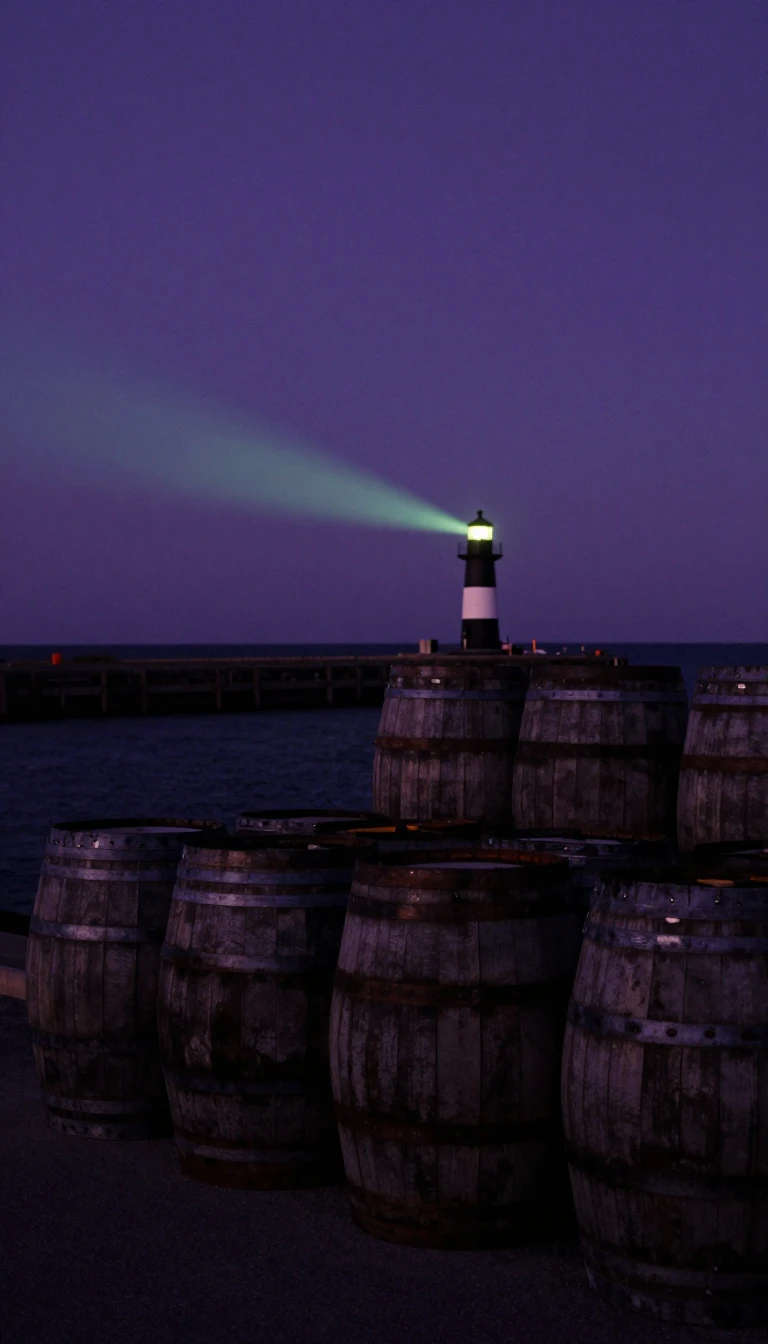
In short: Cape Town was never an ideal harbor, yet it became the mother city of South Africa. Forced to settle on a storm-exposed bay to access fresh water, Dutch settlers built a thriving capital that today anchors the Western Cape, a province currently leading the nation in economic growth and governance.
The Western Cape, established in 1994 from the former Cape Province, occupies the southwestern tip of the African continent. Its capital, Cape Town, originated in 1652 as a Dutch East India Company refreshment station. The site was chosen not for its maritime safety—Table Bay was notoriously exposed to winter gales—but for its access to fresh water flowing from Table Mountain and Devil’s Peak. This geographic constraint dictated the city’s early layout, with streets running parallel to the shore and the main thoroughfare, later named Adderley Street, leading inland to the company’s produce gardens.
The province’s development was shaped by its unique topography, dominated by the Cape Fold Belt. These sandstone mountains, formed between 350 and 270 million years ago, create fertile valleys that contrast sharply with the arid Karoo interior. This diverse landscape supports the Cape Floral Kingdom, a botanical region almost entirely endemic to the province. While the region’s natural harbors were limited, human engineering—from the 17th-century Castle of Good Hope to the 20th-century reclamation of the Foreshore—transformed the coastline into a major economic hub.
Today, the Western Cape is frequently cited as South Africa’s best-run province. As of 2023, it contributed 14.2% of the national GDP, maintaining the country’s strongest provincial economy for over a decade. With the highest secondary education graduation rates and top scores in the 2024 Governance Performance Index, the region has evolved far beyond its origins as a colonial outpost. It remains a cosmopolitan center where modern freeways and high-rise architecture coexist with the historic legacy of a city that grew against the odds of its own geography.
Opens the Intellect+ feed with this card first. Swipe up for the next one.
Sources
- Summary by Intellect · source: Western Cape | South African Province, History, Culture & Wildlife | Britannica
- Also: Western Cape
To cite this card, link to https://intellectplus.co.uk/app/history-western-cape.
How we source, check and correct cards: Editorial standards.
General information, not professional advice. Spotted an error? Flag the card or see corrections and complaints.
Intellect Plus is a visual educational discovery platform for exploring fascinating facts and ideas. Brain Food, Not Brain Rot. What is Intellect Plus?
Related
More in History by continent and region · More in History · Latest · A–Z · All topics
