A 19th-century monument became a canvas for a century of protest
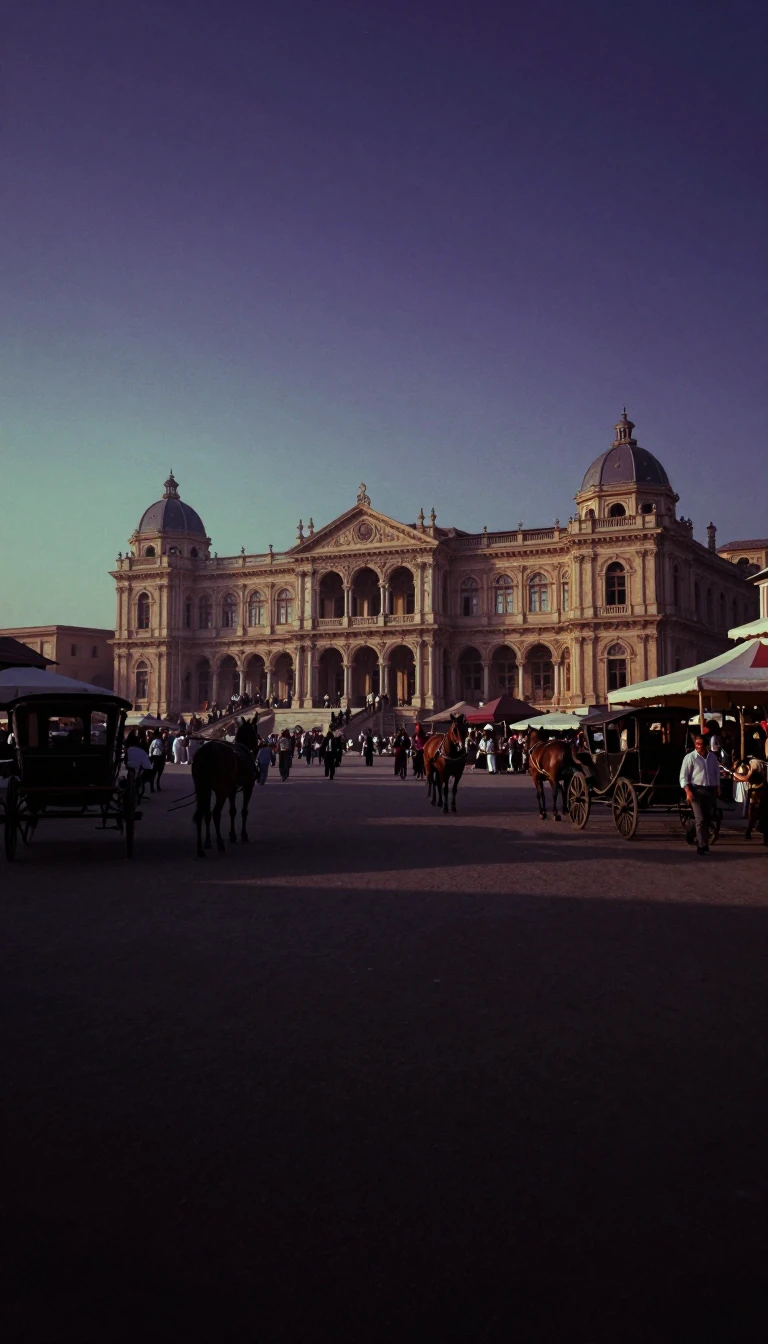
In short: The equestrian statue of the Duke of Wellington in Glasgow is one of the world's most bizarre landmarks. A traffic cone has typically topped the monument since the 1980s, transforming from a regional prank into a complex means of cultural and political statement.
Erected in 1844 to commemorate the end of the Napoleonic Wars, the bronze statue was commissioned through a public subscription involving roughly 10,000 donors. While the monument was intended to honor Field Marshal Arthur Wellesley, its creation was initially mired in controversy because the sculptor, Carlo Marochetti, was an Italian-born French artist rather than a British one. Marochetti completed the work in France, featuring the Duke on his favorite horse, Copenhagen, accompanied by bas-reliefs depicting the Battle of Waterloo and the Battle of Assaye.
The statue's modern identity, however, is defined by the 'tradition' of the traffic cone. While the practice dates back to at least the 1980s as a display of Glaswegian humor, it has served as a recurring site for civic messaging. For instance, the cone has been swapped for a football-patterned hat during the 2002 UEFA Champions League final, a 'feel free' glitter cone in 2010, a gold-painted version for the 2012 Olympics, and even a blue surgical mask during the COVID-19 pandemic.
The cone has also become a vehicle for high-profile political protest. In 2014, it wore a 'Yes' cone for the Scottish independence referendum, and in 2022, it featured the colors of the Ukrainian flag. The cultural impact is so significant that the 2026 Commonwealth Games mascot, Finnie, is a unicorn with a traffic cone horn. Despite local government attempts to deter the practice—including a 2013 proposal to raise the plinth by six feet to avoid a £10,000 annual cost in callouts—the public has consistently defended the tradition as a vital piece of local heritage.
theme-key-value mood-key-value
difficulty-key-value topics-key-value
claims-key-value
Opens the Intellect+ feed with this card first. Swipe up for the next one.
Sources
- Summary by Intellect · source: Equestrian statue of the Duke of Wellington, Glasgow
To cite this card, link to https://intellectplus.co.uk/app/history-equestrian-statue-of-the-duke-of-wellington-glasgow.
How we source, check and correct cards: Editorial standards.
General information, not professional advice. Spotted an error? Flag the card or see corrections and complaints.
Intellect Plus is a visual educational discovery platform for exploring fascinating facts and ideas. Brain Food, Not Brain Rot. What is Intellect Plus?
Related
More in Post-classical · More in History · Latest · A–Z · All topics
