Eridu: The ancient Mesopotamian city that Sumerian tradition calls the world's first
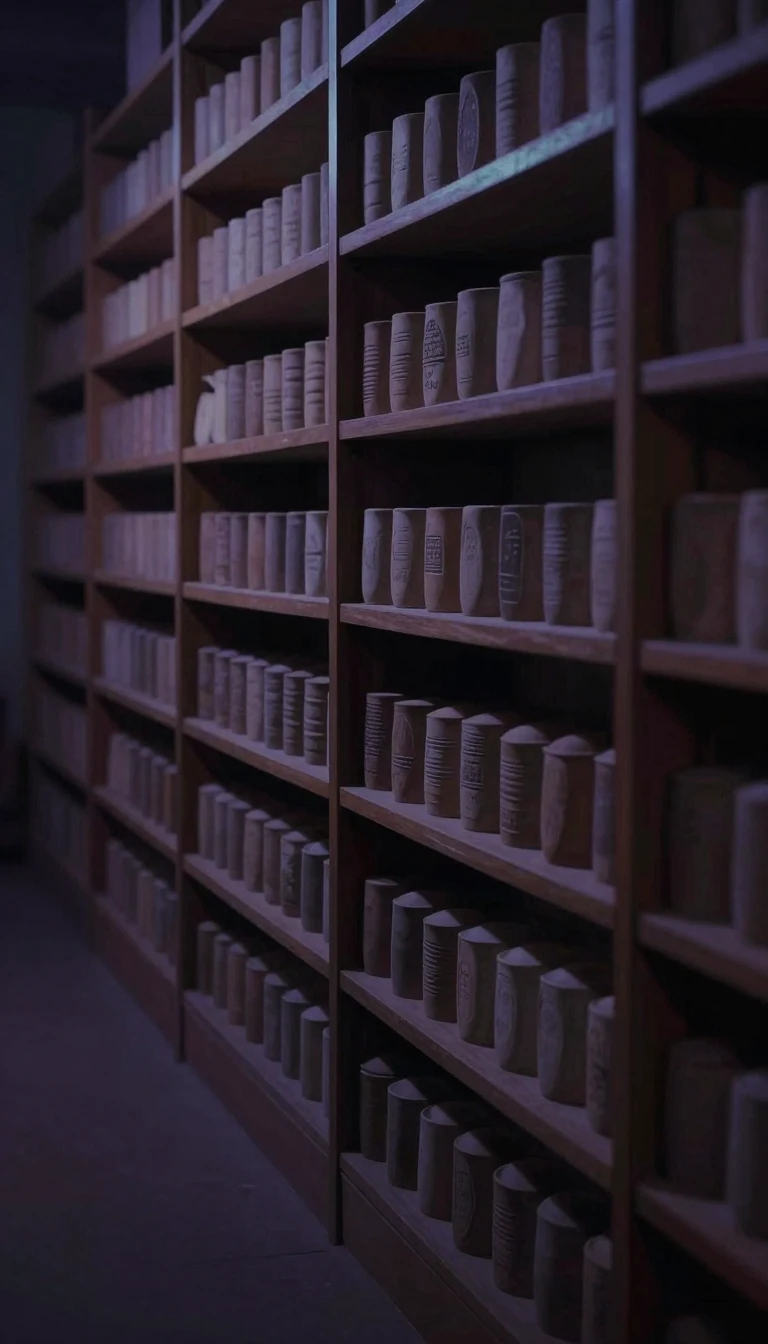
In short: Long before the rise of empires, Eridu emerged as a sacred hub in southern Mesopotamia. Traditionally cited as the oldest city in the region, it grew around a temple dedicated to Enki, the god of wisdom and the deep, life-giving waters. Today, its ruins offer a window into civilization's dawn.
Founded around 5400 BC on a virgin sand dune, Eridu began as a modest settlement near the Persian Gulf. Over centuries, it evolved into a religious center defined by its monumental architecture. Excavations have revealed a remarkable sequence of eighteen superimposed mud-brick temples, documenting the site's continuous evolution from the Ubaid period through the Uruk era. These structures, culminating in a grand ziggurat built by Ur-Nammu, highlight the city's enduring status as a spiritual focal point.
The city's identity was inextricably linked to Enki, the deity believed to reside in the Abzu—a subterranean reservoir considered the origin of all existence. This connection made Eridu a site of perpetual pilgrimage and royal patronage. Kings from across Mesopotamia, including those of the Third Dynasty of Ur, sought legitimacy by commissioning temple repairs or appointing high priestesses to serve in the city's sacred precincts. Even after the city's political influence waned, its religious prestige remained intact for millennia.
Archaeological investigations, beginning with John George Taylor in 1855 and continuing with modern international teams, have unearthed a wealth of artifacts, from early clay tokens to sophisticated cobalt-blue glass. While the city was eventually abandoned around 600 BC—likely due to the rising salinity of the soil caused by long-term irrigation—its legacy persists in the Sumerian King List and the poignant 'City Laments.' These texts, which describe the gods weeping for their ruined homes, capture the profound cultural impact of Eridu's decline.
Today, the site at Tell Abu Shahrain serves as a critical laboratory for understanding early urbanism. Recent work, including photogrammetric mapping and magnetometry, continues to refine our knowledge of the city's layout and its surrounding residential areas. By examining the remains of palaces, cemeteries, and canal systems, researchers are piecing together how this 'first city' laid the foundations for the complex societies that followed in the cradle of civilization.
Opens the Intellect+ feed with this card first. Swipe up for the next one.
Sources
- Summary by Intellect · source: Eridu
To cite this card, link to https://intellectplus.co.uk/app/history-eridu.
How we source, check and correct cards: Editorial standards.
General information, not professional advice. Spotted an error? Flag the card or see corrections and complaints.
Intellect Plus is a visual educational discovery platform for exploring fascinating facts and ideas. Brain Food, Not Brain Rot. What is Intellect Plus?
Related
More in History by country · More in History · Latest · A–Z · All topics
