Nippur: The Sacred Sumerian City That Conferred Kingship Without Ever Holding Political Power
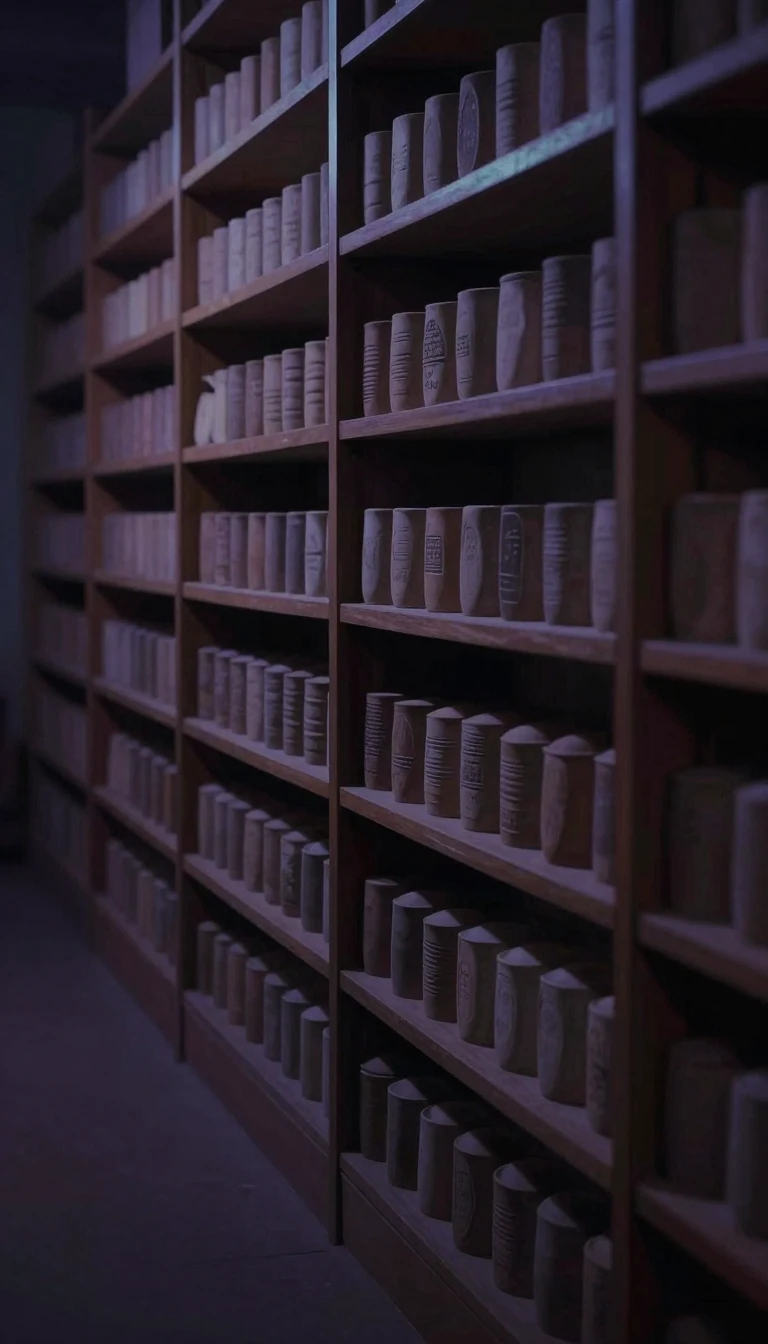
In short: Nippur never ruled Mesopotamia, yet its influence was absolute. As the seat of the god Enlil, the city held the unique power to grant legitimacy to monarchs from rival states. For millennia, rulers from Kish to Babylon sought the divine stamp of approval found only within its sacred walls.
Located in modern-day Iraq, Nippur was the religious heart of Sumer. Unlike other city-states that vied for military dominance, Nippur remained a sacred sanctuary. Its importance centered on the Ekur temple, the abode of Enlil, the "Lord Wind" and ruler of the cosmos. Possession of this city was considered essential for any monarch seeking to claim the overall kingship of the region. From the early Sumerian rulers like Enmebaragesi of Kish to the powerful kings of the Akkadian Empire, leaders consistently sought to align themselves with the city's divine authority.
The city's architectural history reflects its enduring status. During the Ur III period, King Ur-Nammu transformed the site, constructing a massive terrace and a three-stage ziggurat that served as the focal point of the temple complex. Even as political power shifted to Babylon under Hammurabi, Nippur remained a symbolic prize. It suffered through cycles of destruction and restoration, notably being sacked by Sealand forces during the reign of Ammi-Ditana, only to be revived by the Kassite dynasty, who filled the archives with thousands of inscriptions.
Archaeological excavations, beginning with Sir Austen Henry Layard in 1851 and continuing through modern efforts by the Oriental Institute of Chicago and others, have revealed a complex urban landscape. The site, divided by the ancient Shatt-en-Nil canal, reached a maximum size of 130 hectares. Beyond its religious monuments, the city housed diverse populations, including a significant Jewish community that left behind Aramaic incantation bowls. By the early 1200s, the city was definitively abandoned, yet its ruins remained a testament to a place that once held the power to define the legitimacy of kings.
Opens the Intellect+ feed with this card first. Swipe up for the next one.
Sources
- Summary by Intellect · source: Nippur
To cite this card, link to https://intellectplus.co.uk/app/art-nippur.
How we source, check and correct cards: Editorial standards.
General information, not professional advice. Spotted an error? Flag the card or see corrections and complaints.
Intellect Plus is a visual educational discovery platform for exploring fascinating facts and ideas. Brain Food, Not Brain Rot. What is Intellect Plus?
Related
More in Visual arts · More in Art · Latest · A–Z · All topics
