The real-world inspiration for the biblical Tower of Babel
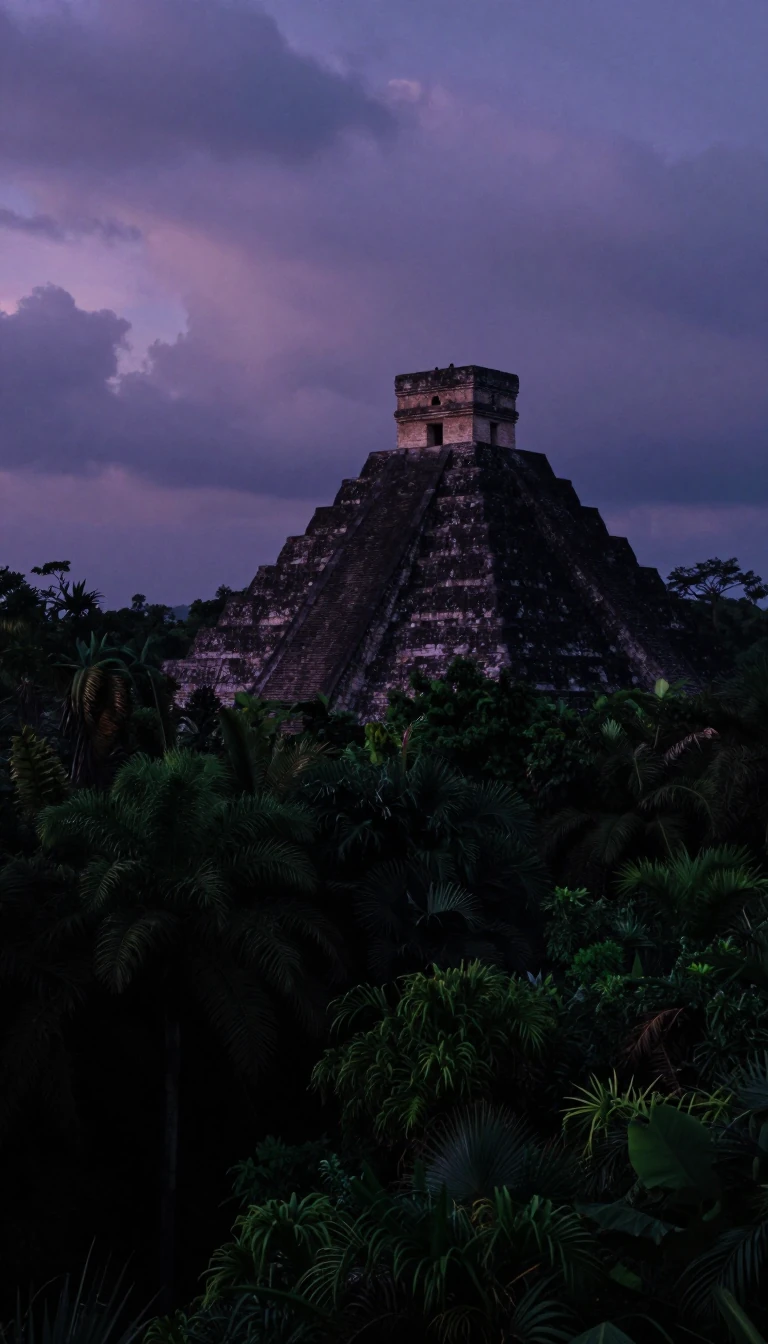
In short: Ancient Babylon was home to a structure so massive it was described as a wonder of the world. Known as Etemenanki, this stepped pyramid served as a literal bridge between heaven and earth, eventually becoming the architectural blueprint for one of history's most famous myths.
The Mesopotamian deity Marduk was worshipped at Etemenanki, a massive ziggurat named 'Temple of the Foundation of Heaven and Earth'. Located in the ancient city of Babylon, it was a characteristic example of Mesopotamian architecture between approximately 2200 and 500 BCE. These structures were typically built from mud brick with durable baked brick exteriors. While no ziggurat survives to its original height today, Etemenanki was one of the largest ever constructed, featuring a base measuring about 300 feet on each side and reaching a total height of 300 feet.
The monument was not a single, static building but a product of centuries of destruction and reconstruction. Its origins may date back as far as the reign of Hammurabi, but it was significantly rebuilt during the Neo-Babylonian period. After being destroyed by the Assyrian king Sennacherib in 689 BCE, the city took 88 years to restore. Work began under Esarhaddon and continued under Nabopolassar, eventually culminating in a massive reconstruction by Nebuchadnezzar II. This later version featured five terraced gradations topped by a temple, which was associated with the Esagila, the primary temple of Marduk where the creation epic Enuma elish was recited annually.
The architectural grandeur of Etemenanki is what likely influenced the biblical account of the Tower of Babel. A royal inscription attributed to Nebuchadnezzar II describes the structure as a 'wonder of the people of the world,' claiming he raised its top to heaven and covered it with bitumen and bricks. The building's design included paired flights of steps and buttressed outer walls. Today, the ruins sit about 90 kilometers south of Baghdad, serving as a physical remnant of the complex history of Mesopotamian engineering and religious devotion.
Opens the Intellect+ feed with this card first. Swipe up for the next one.
Sources
- Summary by Intellect · source: Etemenanki | ziggurat, Babylon, Mesopotamia | Britannica
- Also: Etemenanki
To cite this card, link to https://intellectplus.co.uk/app/history-etemenanki.
How we source, check and correct cards: Editorial standards.
General information, not professional advice. Spotted an error? Flag the card or see corrections and complaints.
Intellect Plus is a visual educational discovery platform for exploring fascinating facts and ideas. Brain Food, Not Brain Rot. What is Intellect Plus?
Related
More in Babylon · More in History · Latest · A–Z · All topics
