The Enūma Eliš: How a Babylonian Creation Myth Shaped Ancient Near Eastern Cosmology
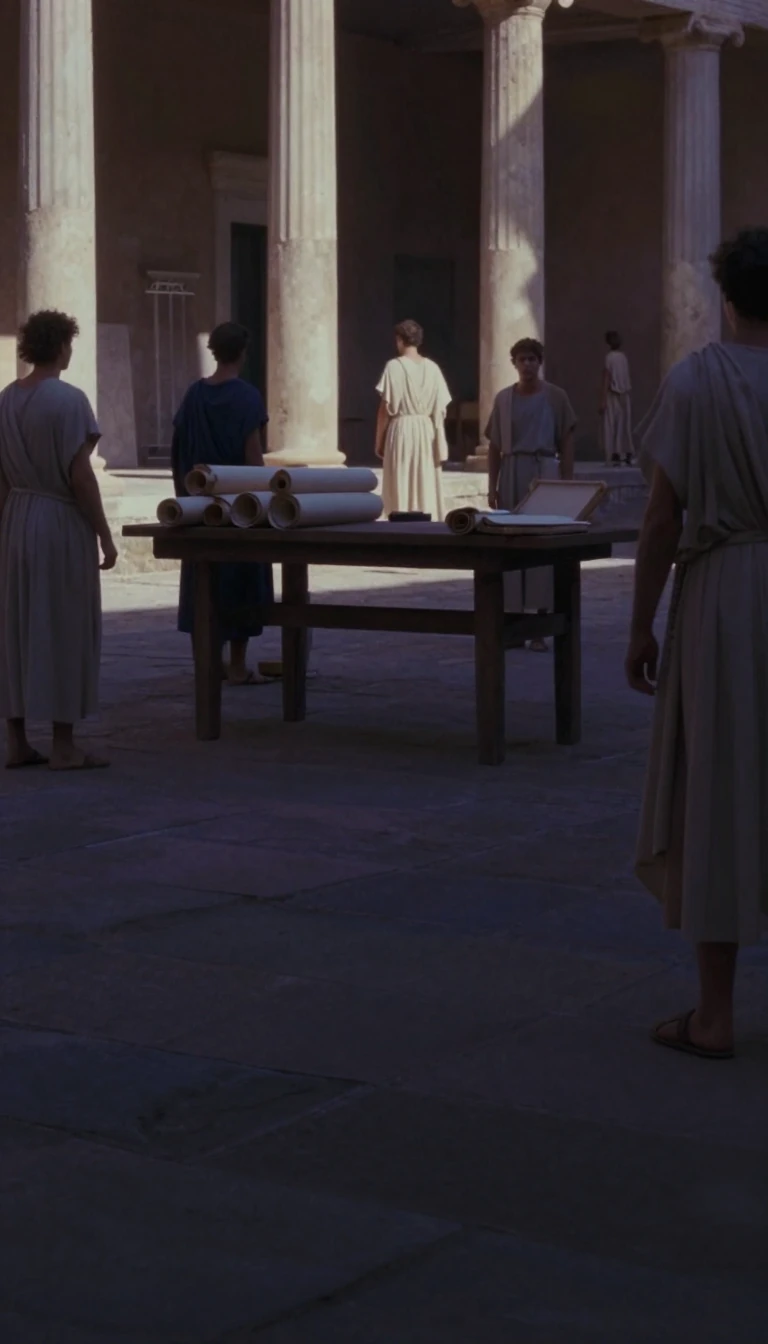
In short: Recovered from the ruins of Nineveh, the Enūma Eliš is the only complete ancient Near Eastern creation account to survive. This epic poem, inscribed on seven clay tablets, details the rise of the god Marduk, the violent slaying of the primordial Tiamat, and the subsequent ordering of the universe.
The Enūma Eliš, meaning 'When on High,' dates to the late 2nd millennium BCE. It describes a cosmos emerging from the primordial mixture of Apsu and Tiamat. Following the birth of new gods who disturbed Apsu, a series of divine conflicts ensued. Ultimately, the god Marduk emerged as the champion of the pantheon, defeating Tiamat in single combat and using her remains to fashion the heavens and the earth.
The text is famously associated with the rise of Marduk, a process scholars now link to the Second Dynasty of Isin, particularly following the return of his statue by Nebuchadnezzar I. While early theories suggested a connection to the reign of Hammurabi, modern consensus rejects this. The poem served as a theological foundation for Marduk's supremacy, with the final tablet dedicating over one hundred lines to his fifty titles.
The discovery of the tablets by Austen Henry Layard in 1849, and their subsequent translation by figures like George Smith, sparked intense academic interest due to perceived parallels with biblical narratives. While some early comparisons—such as links to the temptation of Eve—were later dismissed, the text remains a vital source for understanding ancient Mesopotamian thought. Today, it is studied through various modern translations, including works by Talon, Kämmerer, and Lambert.
The myth’s structure is unique, consisting of seven tablets written in Sumero-Akkadian cuneiform. Although Tablet V remains largely missing, the narrative is otherwise complete. It provides a rare glimpse into how ancient cultures conceptualized the creation of humanity, the establishment of cities like Babylon, and the divine order that governed their world.
Opens the Intellect+ feed with this card first. Swipe up for the next one.
Sources
- Summary by Intellect · source: Enūma Eliš
To cite this card, link to https://intellectplus.co.uk/app/art-en-ma-eli.
How we source, check and correct cards: Editorial standards.
General information, not professional advice. Spotted an error? Flag the card or see corrections and complaints.
Intellect Plus is a visual educational discovery platform for exploring fascinating facts and ideas. Brain Food, Not Brain Rot. What is Intellect Plus?
Related
More in Literature · More in Art · Latest · A–Z · All topics
