A Union general, George Thomas, was long overshadowed by his more famous peers
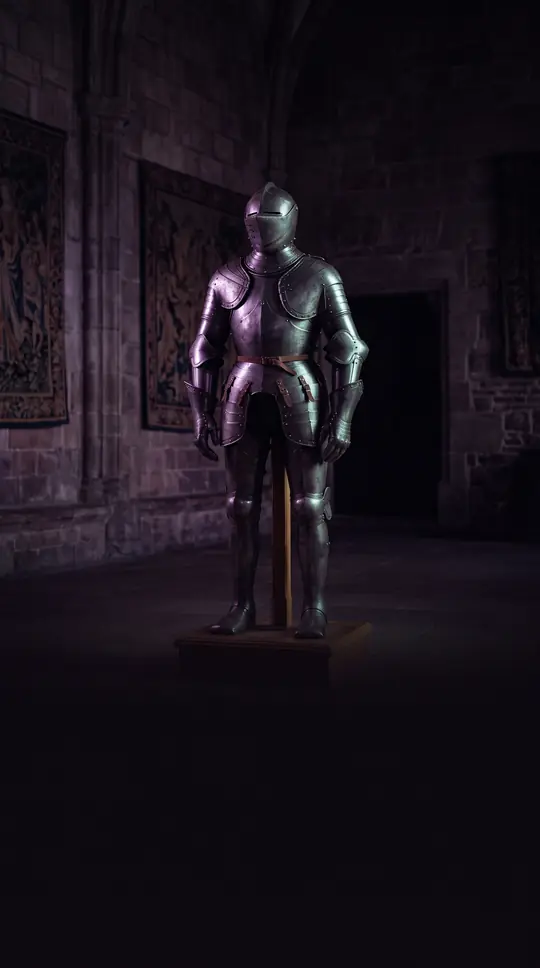
In short: George Henry Thomas, a Virginian who stayed loyal to the Union, became one of the Civil War's most successful commanders. Yet he never gained the fame of Grant or Sherman. His slow, deliberate style and his refusal to shape his own legacy help explain why history was less kind to him than his record deserved.
George Henry Thomas grew up on a plantation in Southampton County, Virginia. His father died when he was young, and the family was left with a fragile hold on its fortune. In 1831 the young George and his family fled through the darkness and the woods when Nat Turner's rebellion came near, an experience that later shaped how he thought about slavery. Accounts differ on what he took from it. The record is thin: he left no written statement on the institution, and he owned slaves for much of his life.
Thomas went to West Point, where he became friends with William Tecumseh Sherman and where his steady calm earned him the nickname Old Tom. He finished 12th in a class of 42. In the Mexican war his artillery unit distinguished itself at Monterrey and Buena Vista, and his commanders praised his coolness and accuracy. In Mexico he served alongside Braxton Bragg, who would later become one of his opponents in the Civil War.
When Virginia moved toward secession, Thomas chose to stay with the Union Army, though his home state would join the Confederacy. He won one of the first Union victories at Mill Springs in Kentucky. His stout defense at Chickamauga in 1863 kept the Union army from being routed, and it earned him the nickname the Rock of Chickamauga. In the Franklin-Nashville campaign of 1864 he destroyed the army of John Bell Hood, once his pupil at West Point, in one of the decisive victories of the war.
Historians offer several reasons why Thomas's reputation trailed behind Grant and Sherman. His deliberate manner contrasted with the more dramatic style of his rivals. He sometimes declined promotions he felt unready to handle, and at other times resented being passed over. After the war he wrote no memoirs to shape his legacy, and he died in 1870, only five years after the conflict ended. Each factor played a part, and historians still debate how much weight each deserves.
Opens the Intellect+ feed with this card first. Swipe up for the next one.
Sources
- Summary by Intellect · source: Catching Up With "Old Slow Trot"
- Also: George Henry Thomas
To cite this card, link to https://intellectplus.co.uk/app/history-george-henry-thomas.
How we source, check and correct cards: Editorial standards.
General information, not professional advice. Spotted an error? Flag the card or see corrections and complaints.
Intellect Plus is a visual educational discovery platform for exploring fascinating facts and ideas. Brain Food, Not Brain Rot. What is Intellect Plus?
Related
More in History · Latest · A–Z · All topics
