Why the Heroic Age of Antarctic Exploration was an era of deliberate anachronism
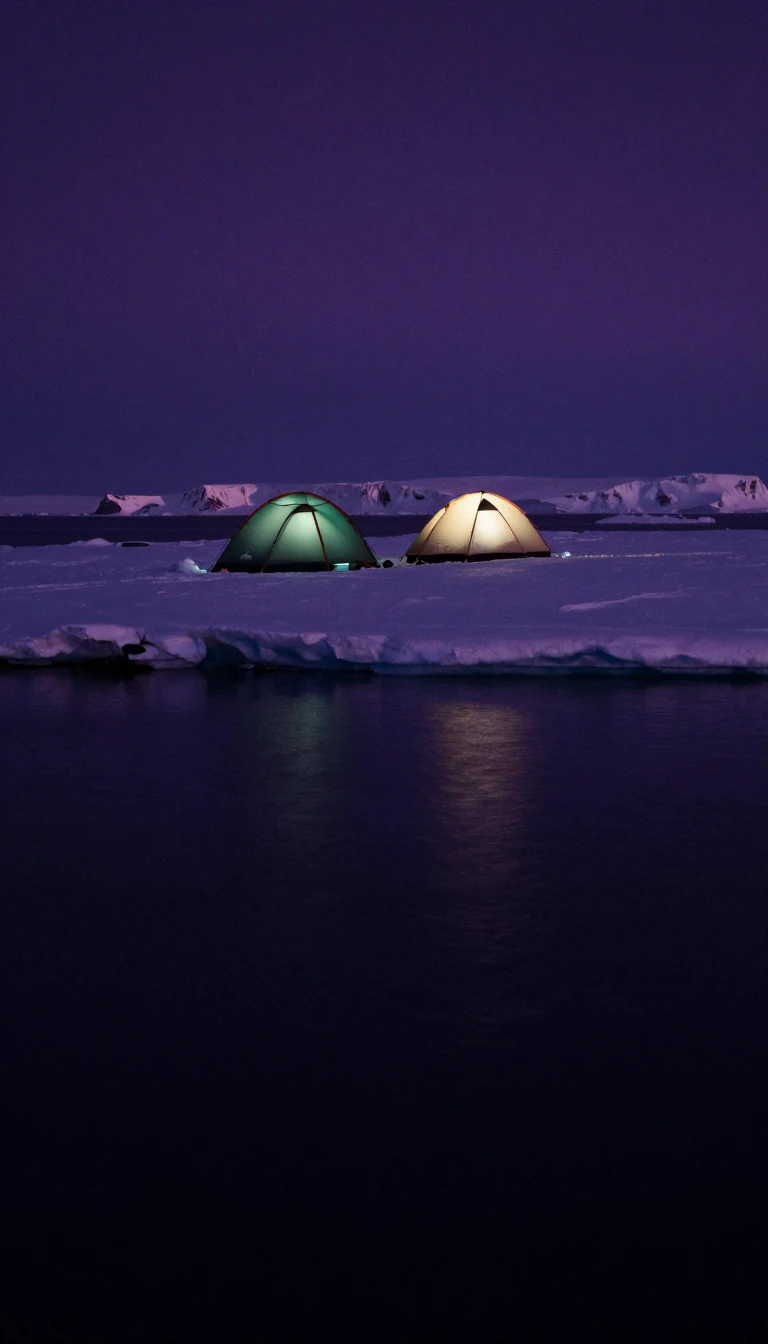
In short: Before modern technology transformed polar travel, explorers faced the Antarctic with limited resources and immense physical risk. This era, defined by national ambition and romantic endurance, saw twenty-two men lose their lives. It was a brief, intense period of discovery that ended only when mechanical innovation finally replaced human grit.
The Heroic Age of Antarctic Exploration, spanning roughly from 1897 to 1922, was a period of intense international competition and scientific inquiry. Unlike later eras, these expeditions were defined by their reliance on primitive transport and communication. Explorers operated at the absolute limits of human endurance, driven by the abstract goal of reaching the geographical and magnetic South Poles. The term itself was not used by the participants; it was coined retrospectively, notably appearing in a 1956 Times article by Duncan Carse to describe the extreme conditions faced by Ernest Shackleton’s team.
The impetus for this movement was multifarious, fueled by scientific societies and the desire for national prestige. Early precursors included whaling expeditions that reignited public interest, and the 1895 International Geographical Congress, which called for global scientific cooperation. While explorers like Roald Amundsen, who reached the South Pole in 1911, achieved their primary geographical objectives, the era also generated vast amounts of scientific data. This work was often conducted under brutal conditions, with fifteen men perishing on or near the continent during their service.
Historians often mark the end of the Heroic Age with the Shackleton–Rowett Expedition of 1921–1922. By this time, the transition to the 'Mechanical Age' was becoming evident. Observers noted that the Quest, Shackleton’s final ship, was packed with new technologies like wireless communication and electrically heated equipment—a stark contrast to the earlier reliance on manual labor and basic maritime tools. The era remains a subject of fascination because it represented a final, romanticized test of human character before the onset of the First World War and the industrialization of polar exploration.
Opens the Intellect+ feed with this card first. Swipe up for the next one.
Sources
- Summary by Intellect · source: Heroic Age of Antarctic Exploration
- Also: Heroic era | Antarctic history | Britannica
To cite this card, link to https://intellectplus.co.uk/app/history-heroic-age-of-antarctic-exploration.
How we source, check and correct cards: Editorial standards.
General information, not professional advice. Spotted an error? Flag the card or see corrections and complaints.
Intellect Plus is a visual educational discovery platform for exploring fascinating facts and ideas. Brain Food, Not Brain Rot. What is Intellect Plus?
Related
More in Modern (1800-1945) · More in History · Latest · A–Z · All topics
