More than a racetrack, the Hippodrome was the beating heart of the Byzantine Empire
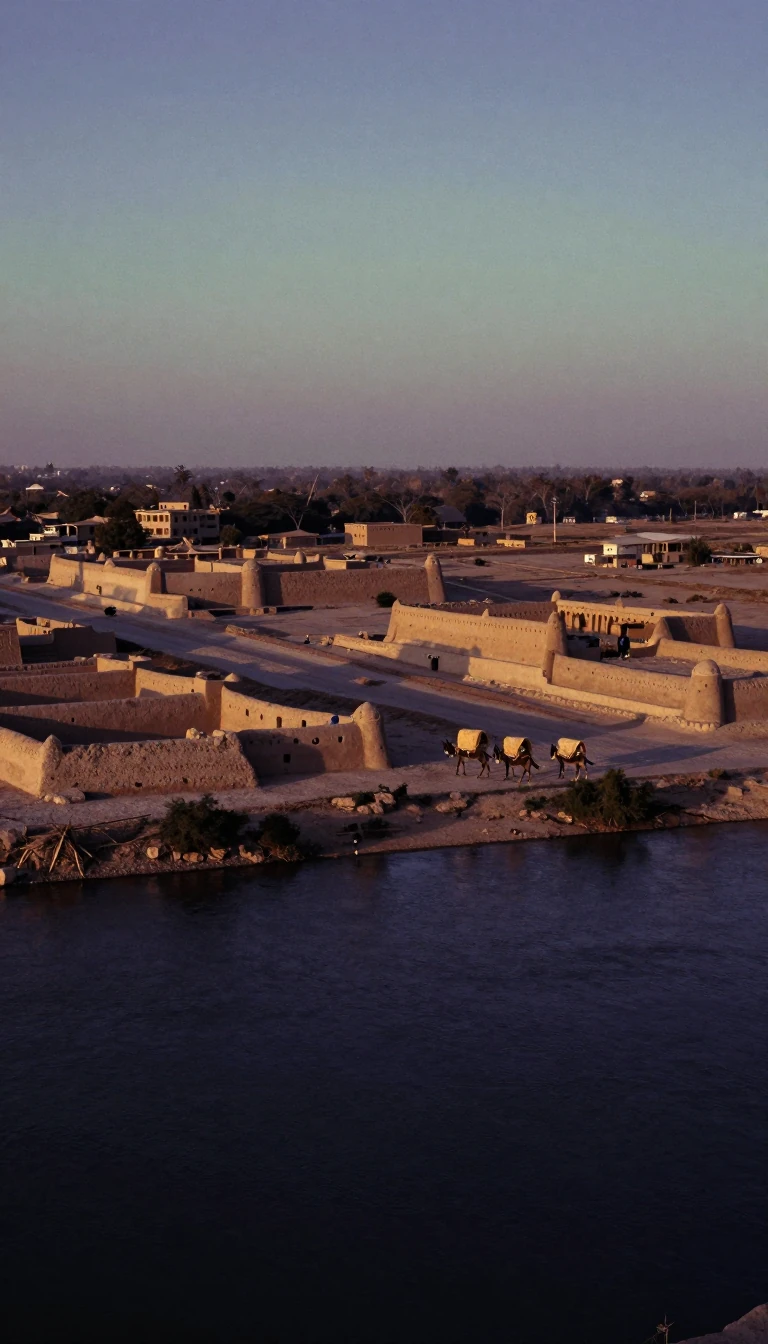
In short: The Hippodrome of Constantinople was a massive U-shaped arena where chariot racing fueled political rivalries and civil unrest. Holding up to 100,000 spectators, this social center served as a rare bridge between the emperor and his citizens, eventually becoming the site of the deadliest riots in the city's history.
Originally established as a provincial arena in AD 203 by Emperor Septimius Severus, the Hippodrome was dramatically expanded by Constantine the Great after he refounded the city as Nova Roma in AD 324. Measuring approximately 450 meters long and 130 meters wide, the structure featured a central barrier known as the spina, which was adorned with looted treasures from across the ancient world. These included the 5th-century BC Serpent Column from Delphi and a pink granite obelisk brought from Egypt by Theodosius the Great in 390, which had originally been erected in Luxor around 1490 BC.
The arena was the stage for intense factionalism between the Blues and the Greens, two political parties that sponsored chariot teams. These rivalries frequently escalated into violent civil conflicts. The most devastating of these was the Nika riots of 532, during which an estimated 30,000 people were killed and the second Hagia Sophia was destroyed. The emperor’s direct access to the track via the Kathisma lodge allowed him to engage directly with the public, though this proximity also made the venue a volatile space for political expression.
Following the Fourth Crusade in 1204, the Hippodrome fell into ruin. The Venetians famously looted the four gilded copper horses that once topped the starting gates, installing them on St Mark's Basilica. While the Ottomans did not utilize the space for racing after capturing the city in 1453, the site was never fully built over. Today, Sultanahmet Square marks the location, with the original track surface buried two meters below ground. Excavations in the 20th century, including work by Rüstem Duyuran in 1950 and 1951, have uncovered remnants of the seating and columns, offering a glimpse into the grandeur of a venue that once defined the social and political life of an empire.
Opens the Intellect+ feed with this card first. Swipe up for the next one.
Sources
- Summary by Intellect · source: Hippodrome of Constantinople
To cite this card, link to https://intellectplus.co.uk/app/history-hippodrome-of-constantinople.
How we source, check and correct cards: Editorial standards.
General information, not professional advice. Spotted an error? Flag the card or see corrections and complaints.
Intellect Plus is a visual educational discovery platform for exploring fascinating facts and ideas. Brain Food, Not Brain Rot. What is Intellect Plus?
Related
More in Ancient · More in History · Latest · A–Z · All topics
