Architecture is far more than just buildings; it is the history of human survival
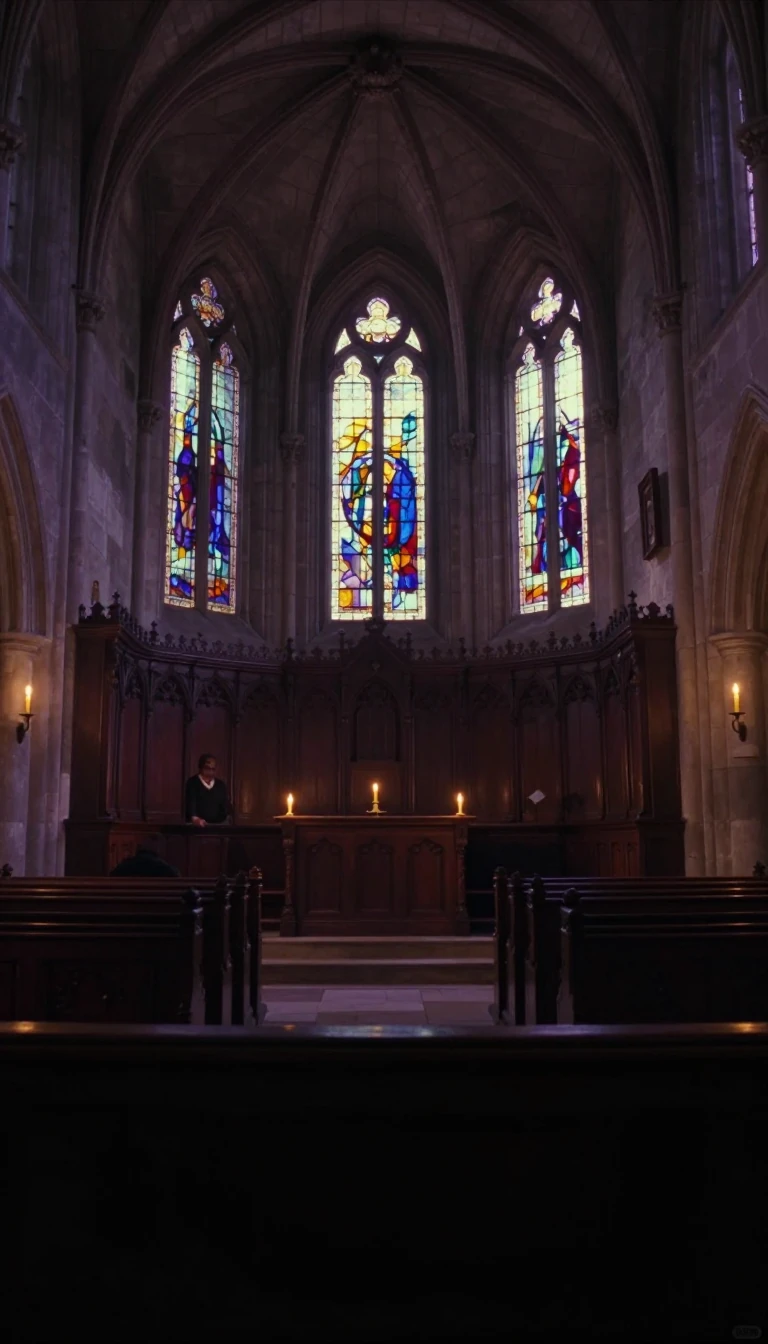
In short: While we often view architecture as the study of iconic buildings, its true origins lie in the fundamental human drive for shelter and protection. This discipline has evolved into a vast field encompassing urbanism, civil engineering, and landscape design, constantly reshaped by the relentless march of technological and material innovation.
At its core, the history of architecture is a record of how humanity has adapted to its environment. What began as a primitive necessity for safety has blossomed into a complex practice that defines our physical world. Today, the term architecture is intentionally broad, bridging the gap between artistic expression and technical utility. It includes specialized domains such as naval and military engineering, as well as the intricate planning of urban spaces, all of which reflect the changing priorities of different societies across time.
The trajectory of architectural style is inextricably linked to the materials available to builders. Throughout the 19th, 20th, and 21st centuries, rapid technological advancements fundamentally altered what was possible to construct. The introduction and refinement of industrial-age materials—such as steel, cast iron, and reinforced concrete—provided architects with unprecedented structural freedom. These innovations did not merely facilitate new designs; they actively enabled the emergence of distinct movements. For instance, the delicate, flowing forms of Art Nouveau were made possible by these new structural capabilities, while the grandiosity of the Beaux-Arts style was amplified by the ability to build on a larger, more ambitious scale using modern glass and metal components.
Understanding architecture requires looking beyond the finished structure to the underlying technological shifts that made it possible. Whether examining a 17th-century ink and wash drawing by Michelangelo Colonna or a late 18th-century terracotta sculpture by Clodion, we see how architects and artists have long grappled with the intersection of form and function. These historical artifacts serve as evidence of how our ancestors conceptualized space and structure long before the modern era. By studying these transitions, we gain insight into how human ingenuity has consistently pushed the boundaries of the built environment, transforming basic shelter into a sophisticated language of design that continues to evolve in our own century.
Opens the Intellect+ feed with this card first. Swipe up for the next one.
Sources
- Summary by Intellect · source: History of architecture
- Also: Architecture
- Also: Architecture
To cite this card, link to https://intellectplus.co.uk/app/history-history-of-architecture.
How we source, check and correct cards: Editorial standards.
General information, not professional advice. Spotted an error? Flag the card or see corrections and complaints.
Intellect Plus is a visual educational discovery platform for exploring fascinating facts and ideas. Brain Food, Not Brain Rot. What is Intellect Plus?
Related
More in History by subject matter · More in History · Latest · A–Z · All topics
