From ancient tribute to oil-rich sultanate: the complex evolution of Brunei
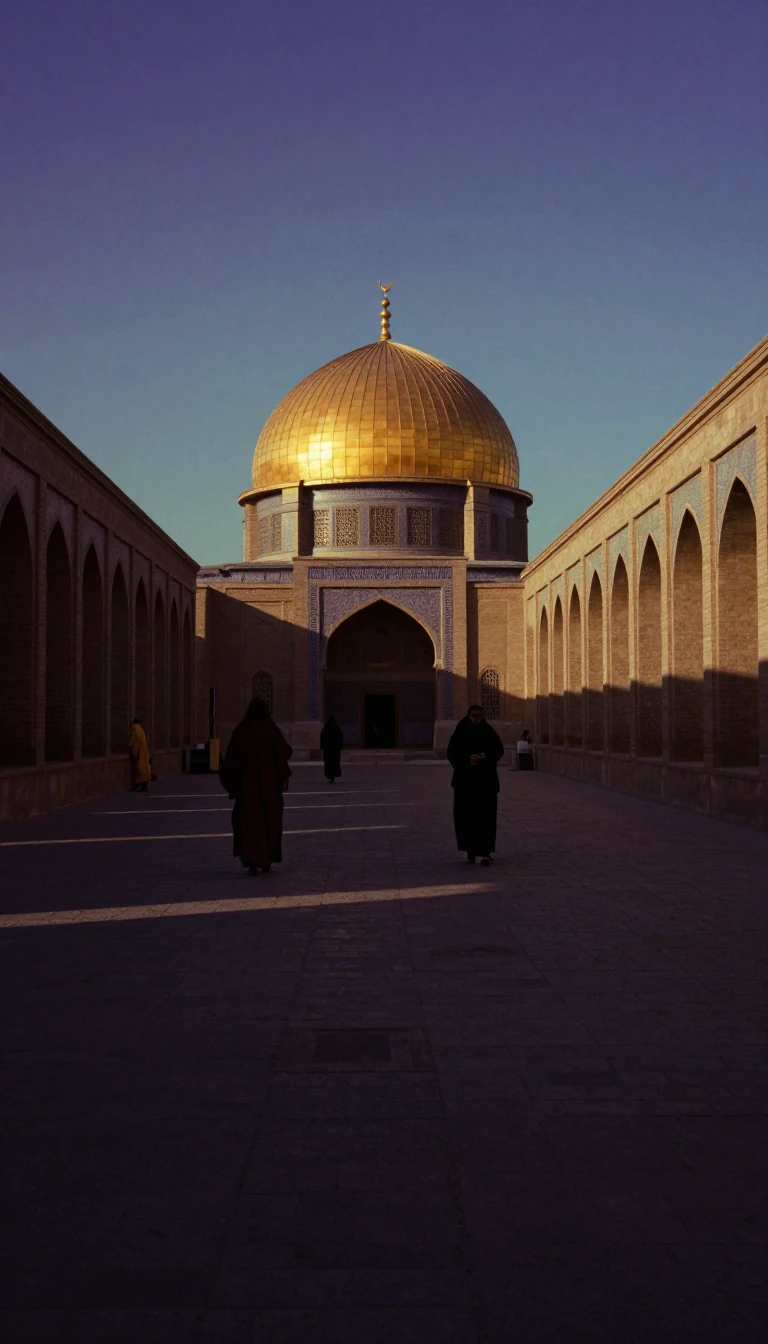
In short: Brunei is a small, divided Islamic monarchy on Borneo with a history that stretches back to the 6th century. Once a powerful thalassocracy paying tribute to China and the Majapahit Empire, it survived colonial pressures and civil wars to emerge as a modern, prosperous nation defined by its unique geography.
The early history of Brunei remains largely obscure, though records from the 6th century indicate the region was already engaged in trade and paying tribute to China. By the 14th century, the state was under the influence of the Hindu-Javanese Majapahit Empire. Despite this allegiance, rulers of the region—then known as Po-ni—sought Chinese protection in 1408 to balance regional power dynamics.
The transition to an Islamic sultanate is central to Brunei's identity. According to the national epic, Syair Awang Semaun, the state was founded by fourteen brothers and cousins who settled along the Brunei River. The first ruler, Awang Alak Betatar, reportedly traveled to Johor, where he converted to Islam and adopted the title Sultan Muhammad Shah. This period marked the rise of the Bruneian Empire, a thalassocracy that once controlled significant portions of northern Borneo and the Sulu archipelago.
Brunei’s fortunes shifted dramatically with the arrival of European powers. By the late 17th century, the empire faced decline due to internal civil wars, piracy, and colonial expansion. In the 19th century, the loss of territory to the White Rajahs of Sarawak left the state divided into two disconnected segments. To prevent further annexation, Sultan Hashim Jalilul Alam Aqamaddin signed a treaty in 1888, establishing Brunei as a British protectorate. This status lasted nearly a century until the nation achieved full independence in 1984.
Today, Brunei is a constitutional monarchy where the Sultan holds significant authority. The country’s economy is heavily supported by its oil-rich zones, particularly near the southwestern coast. While the modern capital, Bandar Seri Begawan, houses the majority of the population, the nation retains deep cultural ties to its past, including the traditional stilt-house village of Kampong Ayer and a diverse demographic mix of Malay, Chinese, and indigenous groups.
Opens the Intellect+ feed with this card first. Swipe up for the next one.
Sources
- Summary by Intellect · source: History of Brunei | Events, People, Dates, & Facts | Britannica
- Also: History of Brunei
To cite this card, link to https://intellectplus.co.uk/app/history-history-of-brunei.
How we source, check and correct cards: Editorial standards.
General information, not professional advice. Spotted an error? Flag the card or see corrections and complaints.
Intellect Plus is a visual educational discovery platform for exploring fascinating facts and ideas. Brain Food, Not Brain Rot. What is Intellect Plus?
Related
More in History by country, small region and city · More in History · Latest · A–Z · All topics
